





A Throwback to Sporting Purity
The core appeal of the Little League World Series is its apparent innocence. These are kids playing for the love of the game, representing their hometowns with a refreshing lack of cynicism. There are no multi-million dollar contracts, no endorsement
deals, and no jaded veterans playing out the string. Instead, we see raw, unfiltered passion. The sportsmanship on display often becomes a national talking point, such as when a team consoles a crying opponent after a tough loss. This purity serves as a powerful contrast to the often-transactional nature of professional sports, reminding viewers of the simple joy that first drew them to the game. It’s a vision of what sports, at its best, is supposed to be about: teamwork, effort, and a genuine desire to compete.
An Annual Trip to Main Street, USA
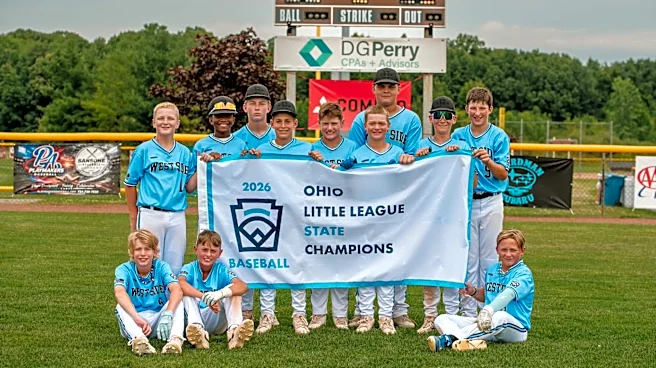
The tournament is a celebration of community. The teams are not assembled from all-stars across the country; they are kids from the same neighborhood who grew up playing together. The volunteer coaches are often parents, and the stands are filled with families who have traveled to South Williamsport, Pennsylvania, to cheer on their local heroes. This connection to a specific place gives the event a grounded, relatable quality. For a few weeks, teams from places like Iowa, Chinese Taipei, or Curaçao become household names. It taps into a deep-seated American nostalgia for small-town life and community pride, offering a vision of unity that can feel scarce in the modern world.
Unscripted Drama on a Global Stage
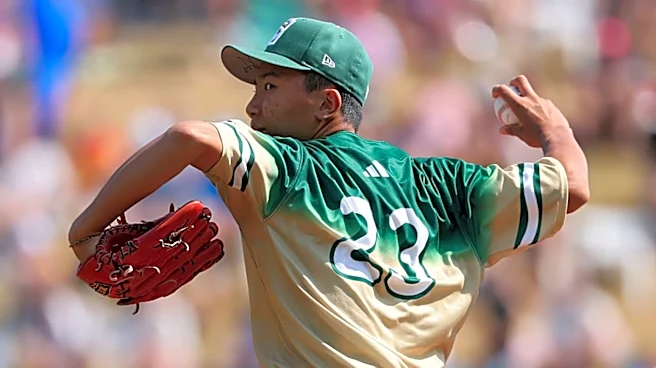
While the spirit is amateur, the stakes feel enormous. For these 11- and 12-year-old players, this is the biggest stage of their lives. The pressure is immense, and the emotional swings—from a game-winning home run to a season-ending error—are real and immediate. Unlike the carefully managed press conferences of professional athletes, the tears of joy and heartbreak in the LLWS are authentic. The international component adds another layer of intrigue, transforming a local tournament into a global spectacle. It’s a reminder that the love of baseball is a universal language, connecting kids from vastly different cultures.
The Double-Edged Sword of the Spotlight
Of course, the event is not without its complexities. The extensive coverage on ESPN and ABC, which began in the 1960s and has since exploded, has turned a kids' tournament into a major media event. This exposure brings attention and resources, but it also places a significant amount of pressure on young shoulders. Critics have long argued that the constant presence of cameras, focusing on every triumphant and tearful moment, is exploitative. In recent years, there has been a pushback against sensationalizing the children's emotions. Furthermore, the rise of sports betting has introduced a troubling new element, with offshore sites offering odds on the games, a practice Little League International has strongly condemned as inappropriate and exploitative. This tension between innocent competition and adult-driven commercialization is now a permanent part of the LLWS narrative.