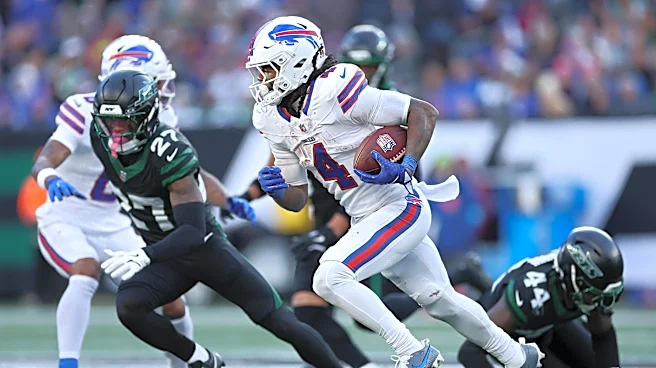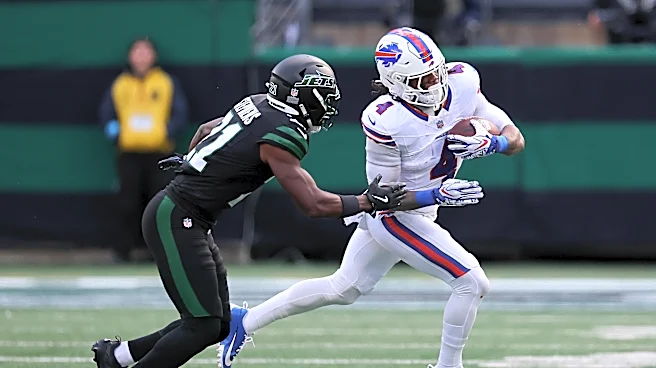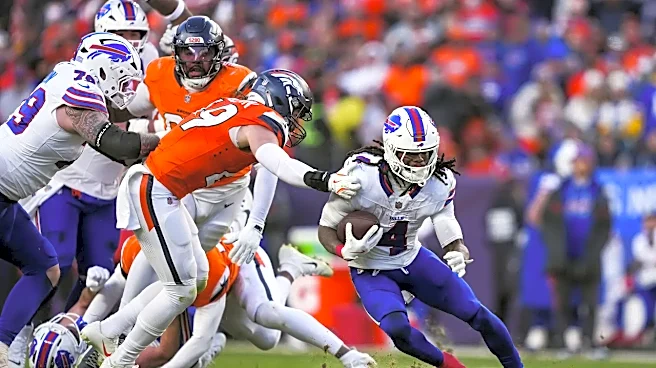








In a game that felt tighter than the final score suggested, the Buffalo Bills needed a spark. They found it not in Josh Allen’s arm, but on the ground, as James Cook’s explosive day dismantled a tough New York Jets defense piece by piece.
A First-Half Grind
Entering Sunday's
divisional matchup, the narrative seemed set: Josh Allen’s high-powered passing attack against a Jets team that had struggled to keep opponents out of the end zone. For much of the first half, however, the game was a defensive slugfest. The Bills carried a slim 10-6 lead into halftime, with the Jets managing to stay close thanks to a series of field goals. Buffalo's offense, usually known for its explosive plays, looked methodical and, at times, sluggish. They struggled on third down and couldn't find their usual rhythm. Yet, beneath the surface of the grind, a strategy was taking hold. The Bills were committed to running the ball, chipping away at the Jets' defensive front with James Cook, even when the gains were minimal. It was a patient, persistent approach that didn't pay immediate dividends but set the stage for a second-half surge.
Breaking the Game Open
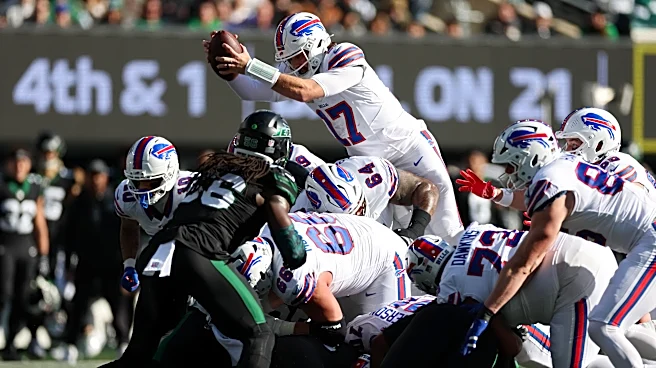
The second half was a different story entirely. After the Jets opened the third quarter with a field goal to cut the lead to 10-9, the Bills' offense erupted. The shift was immediate and decisive. Josh Allen connected with tight end Dalton Kincaid for a massive 54-yard gain, which set up a short rushing touchdown for the quarterback. Later in the quarter, Allen found wide receiver DJ Moore for a 45-yard touchdown, and suddenly a one-point game had become a 24-12 Buffalo lead. While Allen delivered the highlight-reel throws, it was the foundation laid by the run game that made it all possible. The constant pounding from Cook in the first half began to wear down the Jets' defense, creating the very openings that Allen and his receivers exploited for game-changing plays.
The Decisive Blow
If there was one play that perfectly encapsulated the day, it came late in the fourth quarter. The Jets, trying to claw their way back into the game, fumbled the ball away on a failed hook-and-ladder attempt. With possession back and under five minutes to play, the obvious move was to run out the clock. Instead, on the very next snap, James Cook took a handoff, found a crease, and exploded down the right sideline for a 74-yard touchdown run, the longest of his career. According to Next Gen Stats, Cook reached a top speed of 21.56 mph on the run, a stunning display of acceleration that put the game on ice and pushed the Bills' lead to 31-12. It was a 'he was moving' moment, as quarterback Josh Allen later put it, and the final, definitive statement from a player who had controlled the entire contest.
More Than Just the Numbers
Cook finished the day with a season-high 157 yards on just 18 carries, averaging an incredible 8.7 yards per attempt. But his impact went far beyond the box score. His performance gave the Bills' offense a crucial element of balance against a divisional rival. It controlled the tempo, particularly in the second half, and kept the Jets' offense on the sideline while their own quarterback, Geno Smith, was forced from the game with an ankle injury. For a Bills team with Super Bowl aspirations, proving they can win in different ways is essential. While Allen remains the engine, Cook's dominant performance showed that Buffalo possesses a multi-faceted attack capable of grinding out wins or breaking them open with a single, explosive run. This victory, improving their record to 8-1, was a testament to that versatility.