





Goodbye to the 1-Through-5
For decades, basketball positions were as rigid as the hardwood floor itself. You had a point guard, a shooting guard, a small forward, a power forward, and a center. Each had a specific job description. The point guard ran the offense, the center owned
the paint, and everyone else filled their role. That old model is rapidly becoming obsolete. In its place is 'positionless basketball,' a fluid, matchup-driven style where a player's skills matter more than a number on a roster sheet. It’s a game where centers can bring the ball up the court and initiate the offense, and guards can post up smaller defenders in the paint. It values versatility above all else: can you shoot, dribble, defend multiple spots, and create for others? If so, you have a place on the floor, regardless of your height or traditional role.
The All-Star Game as a Petri Dish
Nowhere is this trend more apparent than at the All-Star Game. Freed from the constraints of a team's regular-season offensive and defensive schemes, the league's best players are able to show off the full range of their abilities. The 2026 game in Chicago was a masterclass in this new philosophy. Coaches weren't afraid to put unconventional lineups on the floor, featuring multiple players over 6'5" who could all handle the ball, shoot from deep, and switch on defense. The game's flow was faster and more unpredictable, driven by players creating mismatches all over the court. Instead of a predictable point guard setting up a post-up for a center, fans saw a constant flurry of motion, with players like A'ja Wilson and Breanna Stewart initiating the offense from the perimeter or taking defenders off the dribble from the high post.
The Superstars Leading the Revolution
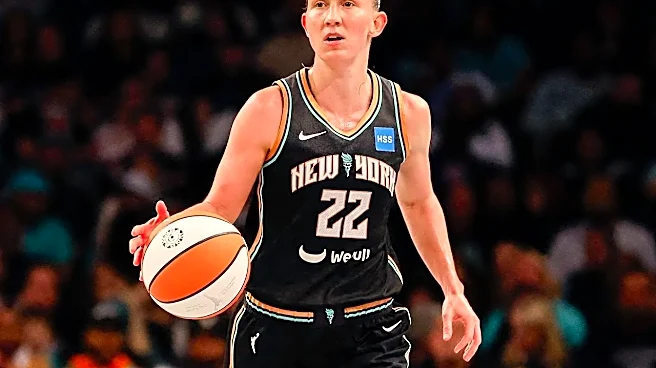
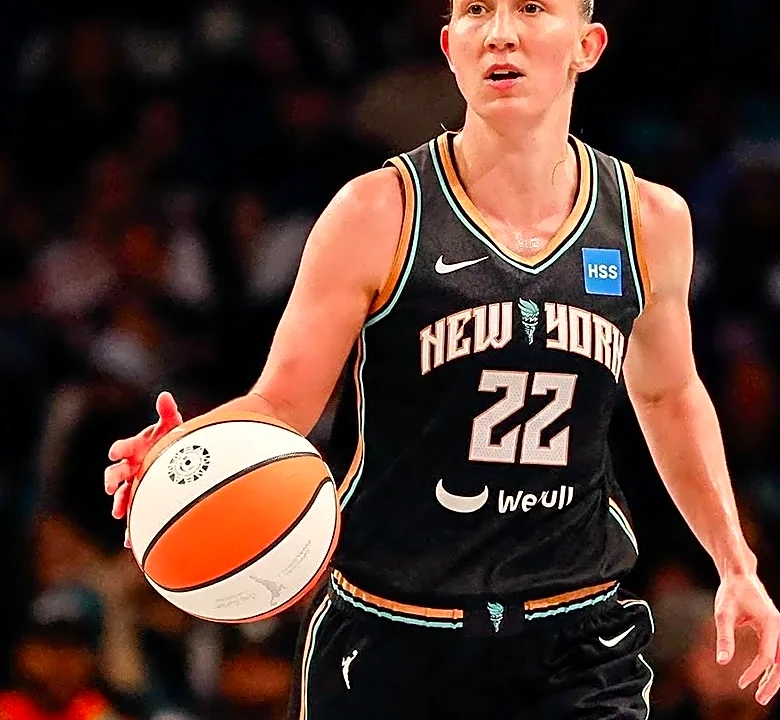
This evolution isn't just theoretical; it's embodied by the league's biggest names. A'ja Wilson, long one of the league's most dominant interior forces, has developed a formidable perimeter game, making her a nightmare matchup. Breanna Stewart has been a 'unicorn' for years, a player with the size of a forward and the skills of a guard. The new generation is following suit. Stars like rookie sensation Paige Bueckers, an All-Star starter in her first year, showed off a game that defies easy categorization. These are not just post players or guards; they are simply basketball players, capable of impacting the game from anywhere on the court. Alyssa Thomas of the Connecticut Sun has built an elite career on her unique ability to facilitate the offense and rebound like a center from a forward position, further blurring traditional lines.
The Ripple Effect Across the League
What happens at All-Star Weekend doesn't stay at All-Star Weekend. The trends on display are a reflection of a league-wide strategic adaptation. General managers are increasingly prioritizing versatility when building their rosters, looking for players who can fill multiple roles. Coaches are designing more fluid offensive systems that empower players to make reads and exploit mismatches, rather than sticking to rigid sets. This shift also raises the bar for player development. To thrive in the modern WNBA, it's no longer enough to be great at one thing. Young players entering the league are expected to have a more well-rounded skill set from day one. The rise of developmental player contracts, a recent league addition, is partly a response to this, giving teams more flexibility to cultivate talent that fits this modern, versatile mold.