


A Pop-Up City Built on Loyalty
The experience begins hours, sometimes days, before kickoff in the parking lots and green spaces surrounding the stadium. This is tailgating, and it’s the bedrock of the game day ritual. It's far more than a pre-game meal; it’s a massive, decentralized
festival. Streets are closed, seas of tents bloom in a riot of school colors, and generations of families and circles of friends reunite at the same spot they’ve claimed for years. Alumni reconnect with old classmates, students forge new bonds, and even visiting fans are often welcomed into the fold to share in the food and drink. It’s a temporary city built on shared identity, where your allegiance is your address and the currency is hospitality. For many, the tailgate is just as important as the game itself.
Generations of Unbroken Rituals
College football is steeped in tradition, and these rituals are the connective tissue linking fans across decades. Each school has its own sacred customs that are as integral to the day as the final score. It might be the Clemson players rubbing Howard's Rock before running down “The Hill,” the Texas A&M student body standing for the entire game as the symbolic "12th Man," or the entire stadium at Iowa turning to wave to the children in the adjacent hospital at the end of the first quarter. These aren’t just quirky habits; they are shared rites that create a powerful sense of history and belonging. To participate in these traditions is to join a long, unbroken chain of fandom, performing the same acts your parents and grandparents did before you.
A Symphony of Sound and Color
Inside the stadium, the experience becomes a full-blown sensory onslaught. The sheer scale is breathtaking, with over 100,000 fans packed into the largest venues, all unified in purpose. The visual is one of coordinated identity: a “White Out” at Penn State, where every fan wears white to create an intimidating wall of solidarity, or a stadium checkered with the alternating colors of two rival schools. Then there’s the sound—a deafening roar that ebbs and flows with the action on the field, the synchronized chants led by cheerleaders, and the powerful performance of the marching band. These bands are not just halftime entertainment; they are the game’s soundtrack, whipping the crowd into a frenzy and performing with a precision that rivals the athletes on the field.
An Identity You Can Wear
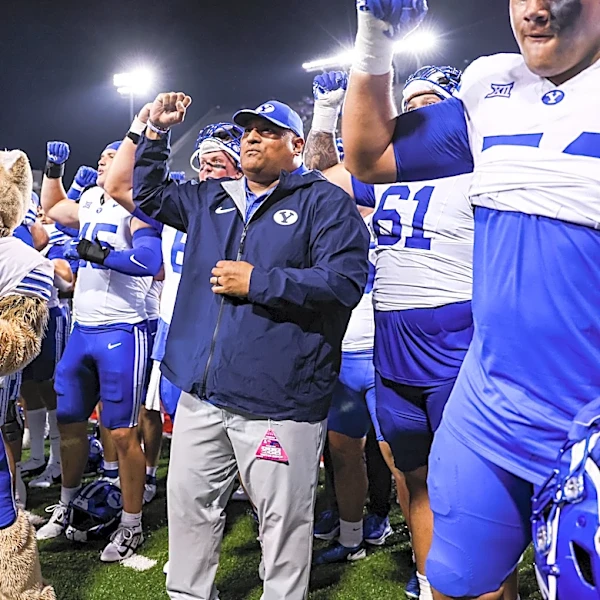
At its core, sports fandom is about identity. Your team’s success can feel like a personal victory, and a loss can sting with genuine disappointment. On game day, this identity is worn proudly and visibly. Donning a jersey or the school colors is a simple act that transforms thousands of strangers into a single, cohesive unit. It erases social barriers and creates an instant connection with anyone wearing the same logo. This shared identity is a powerful psychological force, fostering a sense of community and counteracting loneliness. For a few hours on a Saturday, you are part of something much larger than yourself, a collective spirit where every high-five with a stranger feels completely natural.
Where Spectacle Meets the Sport
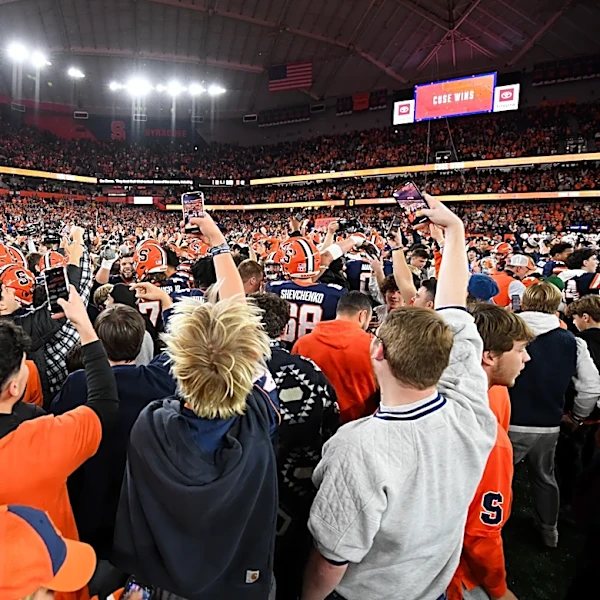
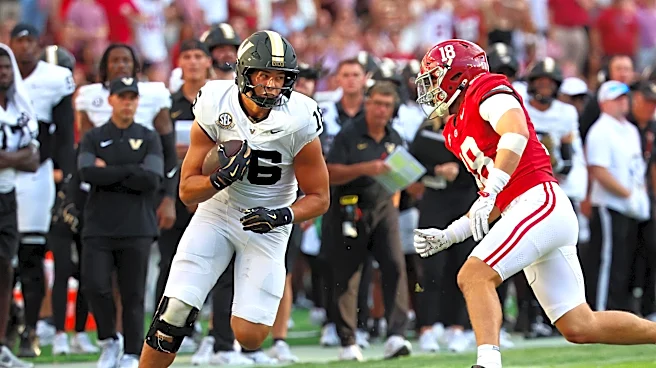
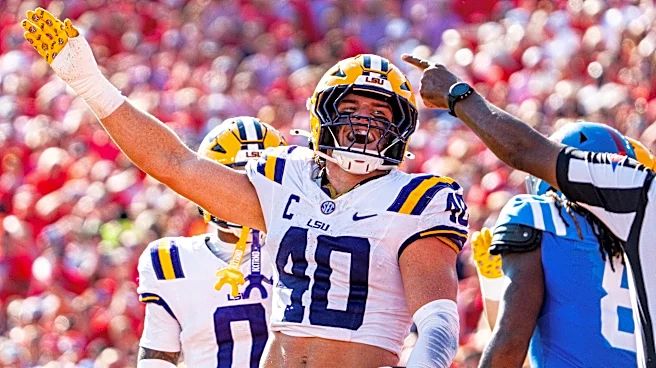
For all the pageantry surrounding it, the day's emotional climax is still the game itself. Every tradition, every tailgate, and every chant is a prelude to the drama that unfolds on the field. The collective hope invested in a single outcome creates an atmosphere of almost unbearable tension and excitement. The shared gasp at a fumble, the explosive cheer for a touchdown, and the communal groan at a missed field goal are experienced in unison. It’s a collective emotional journey where the stakes feel intensely personal to everyone in the stands. This is why a last-second victory can create a core memory that lasts a lifetime, and a bitter loss can fuel a rivalry for another year.