





The Art of the Decoy
The first thing to understand about creating space in the WNBA is that it often has little to do with raw, end-to-end speed. In a league of world-class athletes, everyone is fast. The truly elite, like Dallas Wings guard Paige Bueckers, who was a leading
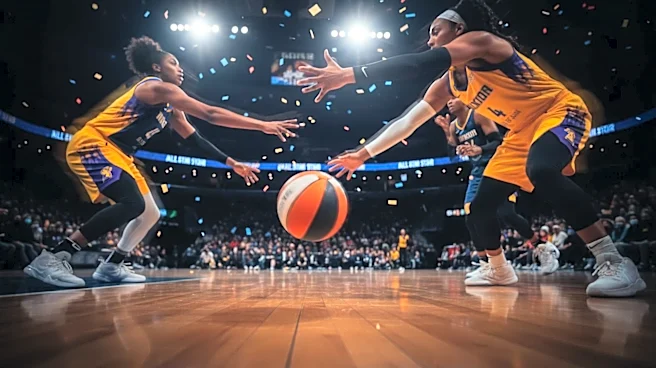
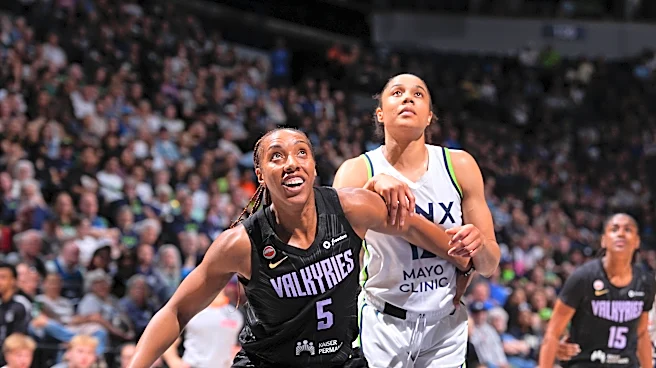
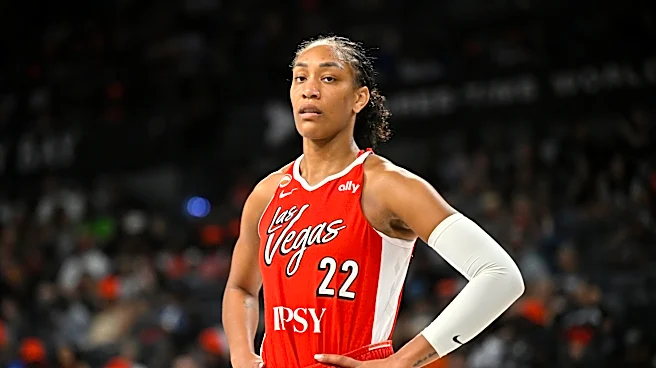
vote-getter for the 2026 All-Star Game, separate themselves through the art of deception. It's the hesitation dribble that freezes a defender for a half-second. It’s the subtle head fake that suggests a pass to a cutting teammate, forcing the defender to shift their weight just enough. This year in Chicago, you could see players using the threat of teammates like A'ja Wilson or Breanna Stewart as a weapon. A quick glance toward a superstar in the post is often all it takes for a defender to momentarily relax their coverage, and in the WNBA, a moment is all a scorer needs to get their shot off. It's a physical chess match where the goal is to make the defender react to a threat that isn't even real.
Masters of the Off-Ball Universe
Much of the most important work a wing does happens before they even touch the ball. In an exhibition setting like the All-Star Game, where set plays can be less frequent, this basketball IQ is on full display. Players like Indiana’s Kelsey Mitchell and Golden State’s Gabby Williams, both starters this year, are experts at this. They don't just stand and wait; they are in constant motion, reading the defense and their own teammates. The key is understanding spacing and angles. They use teammates' screens not just to get free, but to force defenders into making difficult choices. Do they trail the shooter around the screen and risk being a step behind? Or do they switch, creating a potential mismatch that the offense can exploit? A well-timed V-cut or a flare screen can be more effective than any crossover. These wings aren't just running; they are navigating a complex, ever-shifting geometric puzzle at high speed, turning the court into their personal playground.
The Change of Pace
One of the most underrated skills for an elite scorer is not how fast they can go, but how quickly and deceptively they can slow down. A player who operates at one speed, no matter how fast, is predictable. A player who can seamlessly shift from a jog to an explosive burst to a sudden stop is a nightmare to guard. This change of pace is what creates imbalance and forces defenders onto their heels. You see it in the way a player like Jewell Loyd, a perennial All-Star, can lull her defender into a false sense of security with a few casual dribbles before exploding to the rim. It's also visible in the devastating step-back jumpers perfected by so many of the league's best. The initial drive sells the defender on going one way, but the sudden stop and retreat creates an easy foot or two of separation for an uncontested look. In the free-flowing, one-on-one-heavy environment of an All-Star Game, this mastery over tempo is a primary weapon.
The Signature Move and Its Counters
Every great wing has a signature move—that one go-to, seemingly unstoppable shot they can get to under pressure. For some, it's a high-arcing floater; for others, a lightning-quick crossover into a pull-up jumper. But what truly elevates them is the library of counters they build around that single move. The defender knows the step-back is coming, so they overplay it. The offensive player anticipates this, and instead of stepping back, they use the defender's momentum against them with a simple blow-by layup. All-Star weekend becomes a laboratory for this. With defensive scouting at a minimum, players test out their favorite moves. If a defender stops the first option, the truly great players have a second, third, and fourth option ready to go. This chess match—the move, the counter, and the counter-to-the-counter—is what separates the All-Stars from the rest of the league, turning every possession into a high-stakes battle of wits and skill.