


A Tale of Two Philosophies
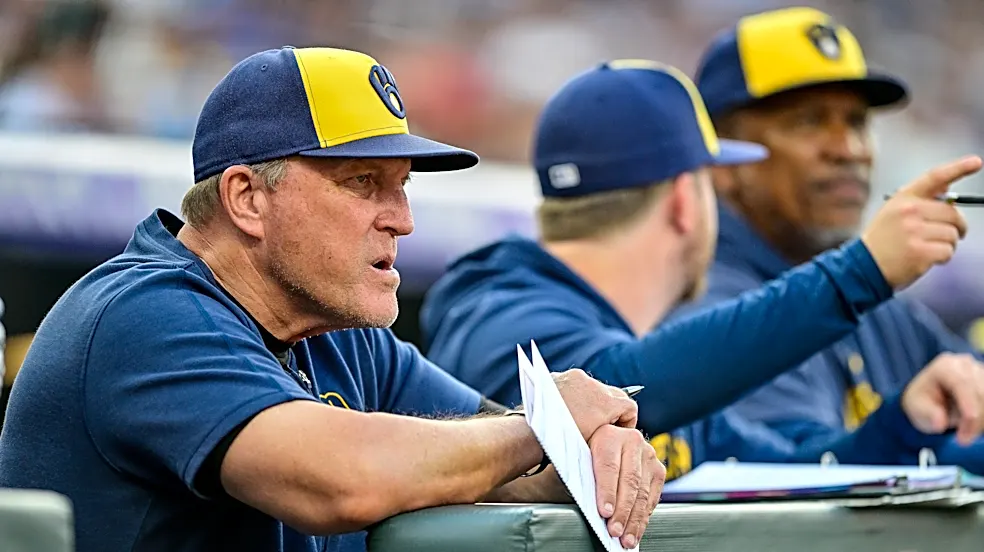
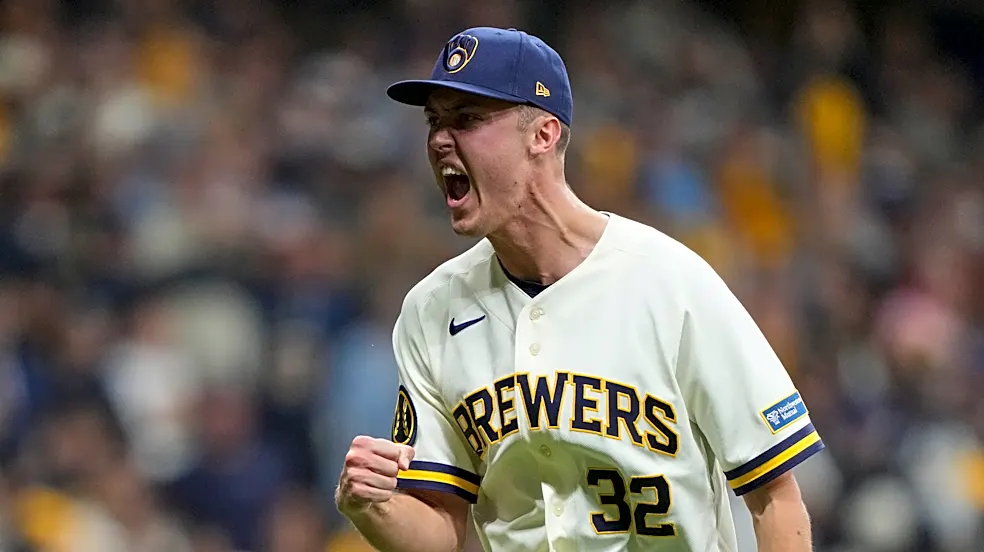
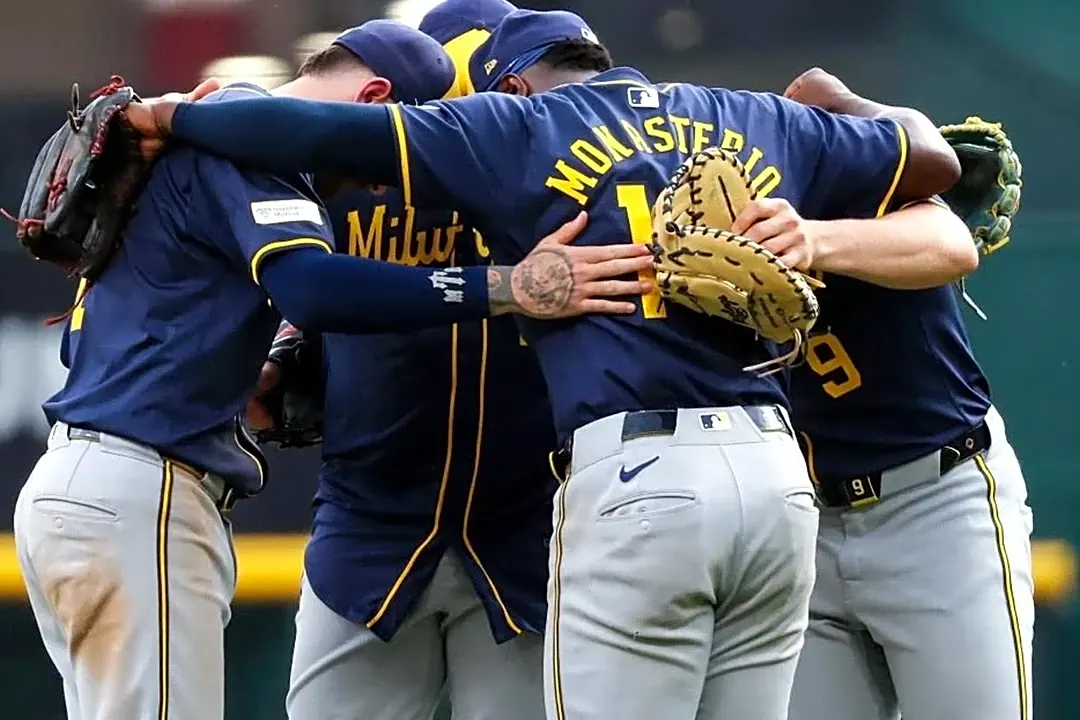
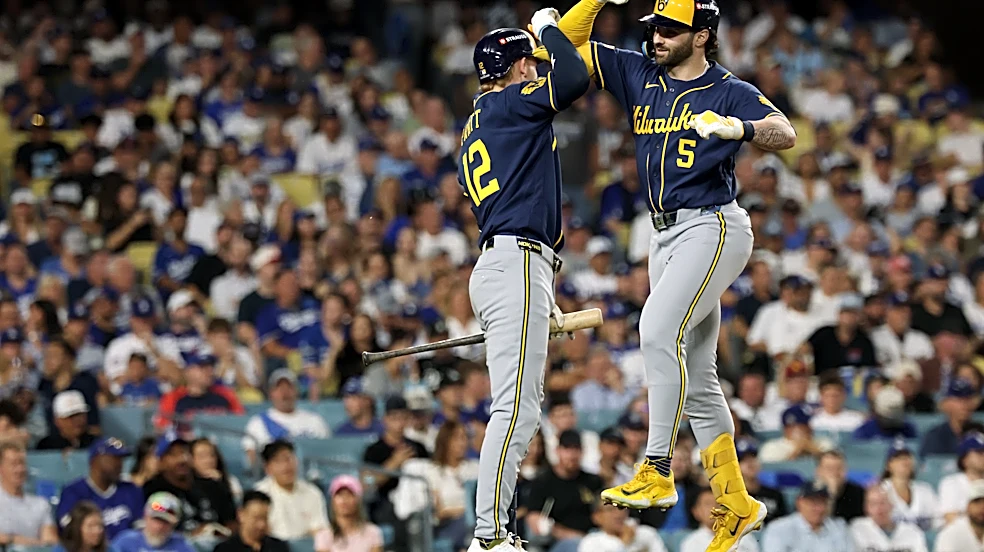
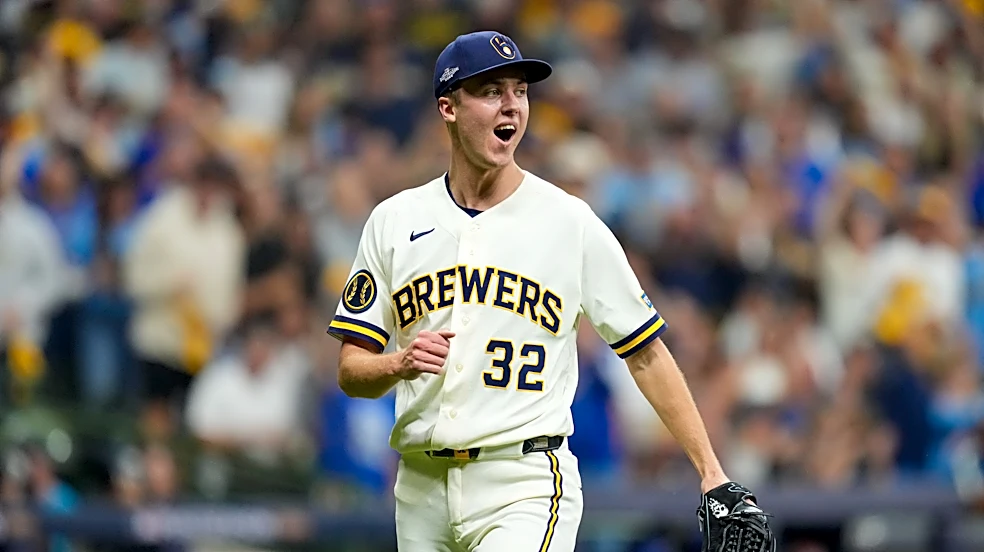
This year’s Fall Classic presents a fascinating contrast in team-building that goes to the heart of baseball's longest-running argument. On one side, you have the Milwaukee Brewers, a club with a mid-tier payroll of around $146 million, built on savvy
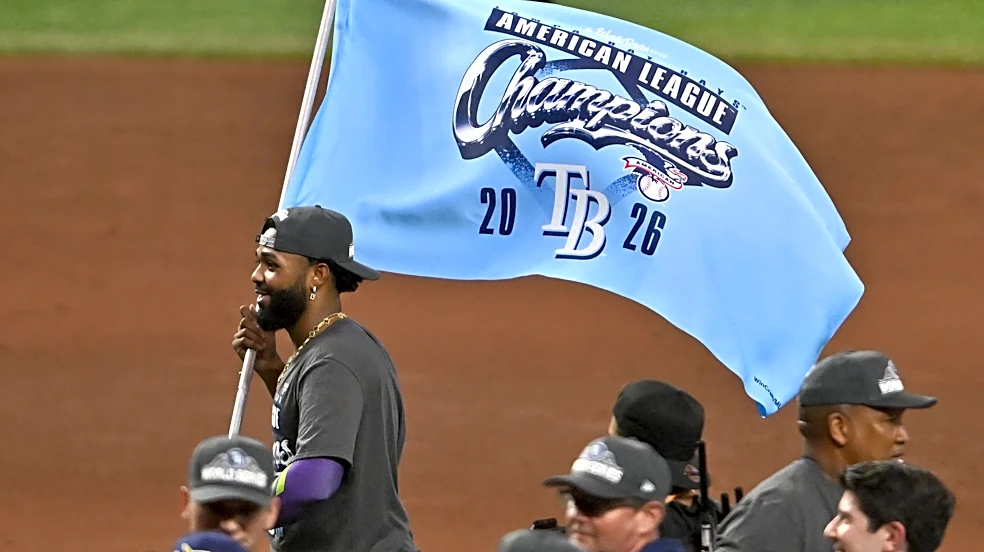
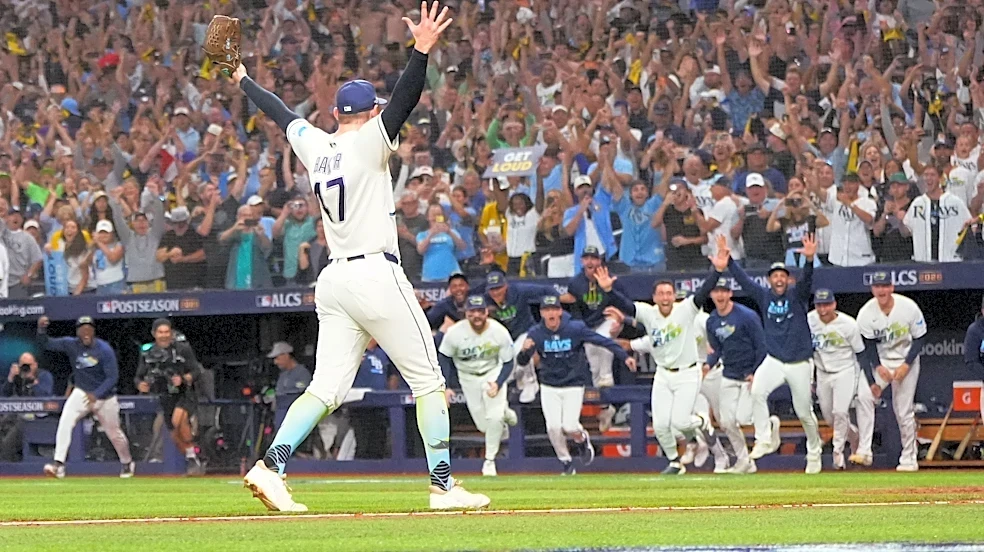
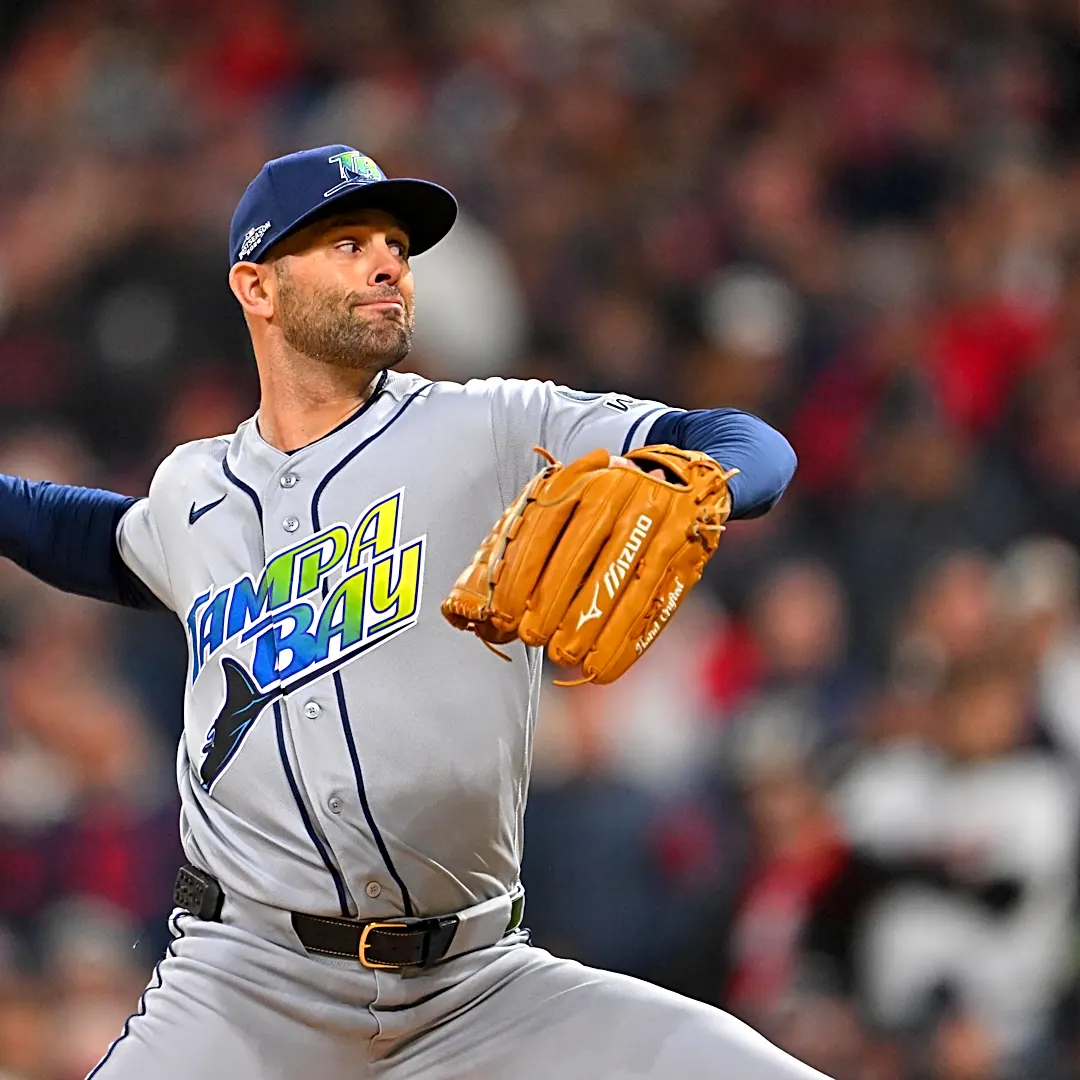
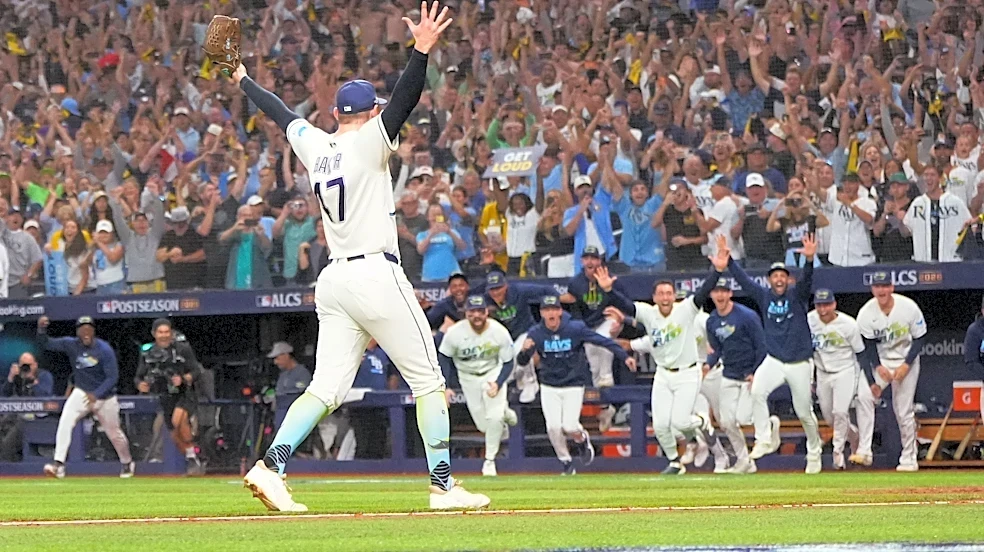
drafting, player development, and targeted spending. On the other, the Tampa Bay Rays, who have perfected the art of analytics-driven success with one of the league's lowest payrolls, coming in under $100 million. Their opponent in the NLCS, the Los Angeles Dodgers, represented the other extreme with a payroll north of $300 million. The success of teams like the Brewers and Rays, who reached the pinnacle without breaking the bank, serves as a powerful narrative. It suggests that financial might isn't the only path to victory, a point the players' union will be eager to emphasize.
The Great Debate: Cap vs. Tax
Unlike the NFL, NBA, and NHL, Major League Baseball does not have a hard salary cap that dictates a firm ceiling on what teams can spend. Instead, it operates with a Competitive Balance Tax (CBT), better known as a luxury tax. For 2026, that threshold is set at $244 million. Teams that spend above this mark pay a penalty on their overages, with the tax rate increasing for repeat offenders. Owners, particularly those in smaller markets, argue this system is broken and that a salary cap—paired with a salary floor forcing low-spenders to invest more—is necessary for competitive balance. The MLB Players Association (MLBPA) has historically viewed any salary cap as a non-starter, arguing it artificially suppresses player wages while league revenues soar. The union contends the luxury tax already acts as a de facto cap for most teams, who treat the threshold as a spending limit they refuse to cross.
A Ring as a Bargaining Chip
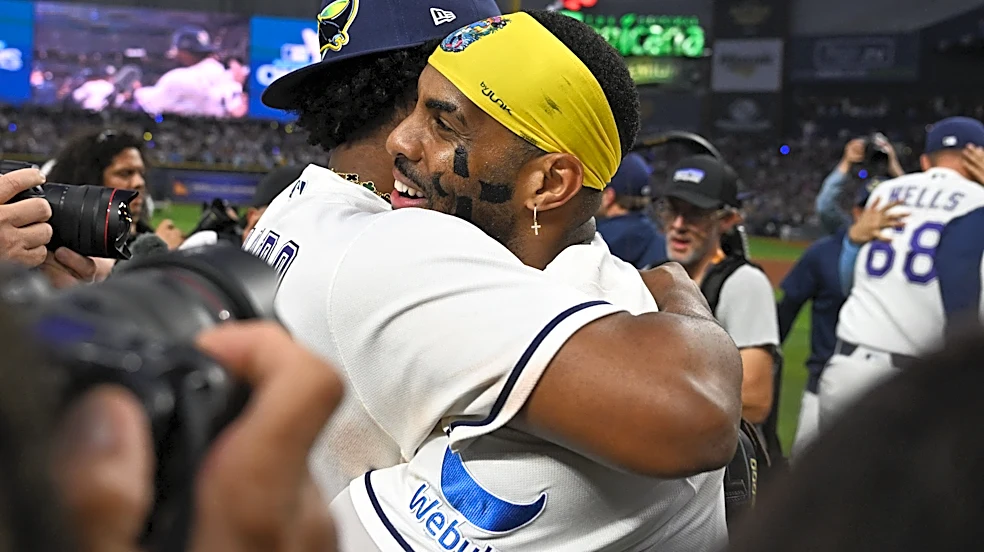
The outcome of this World Series will undoubtedly be weaponized in the upcoming labor negotiations. A victory for a low-payroll team like the Brewers or Rays provides the MLBPA with Exhibit A. They can argue that fiscal prudence, superior scouting, and player development are the true keys to winning, proving a salary cap isn't needed to ensure competitiveness. 'See?' the union can say, 'The system works. You don't need to cap salaries for smart teams to compete.' Conversely, had a powerhouse like the Dodgers won, owners would have pointed to their massive payroll as proof that the league is tilted in favor of the super-rich, strengthening their case for a cap to rein in the league's biggest spenders and give other teams a chance. This World Series, featuring two teams that have never won a title, is a powerful symbol of parity that weakens the owners' argument for radical change.
The Clock is Ticking on a Lockout
This isn't just a theoretical debate for the distant future. The current Collective Bargaining Agreement (CBA) between MLB and the MLBPA is set to expire at 11:59 p.m. ET on December 1, 2026. Both sides are digging in for a protracted and potentially ugly fight, with a salary cap as the central, most contentious issue. Experts widely expect the owners to lock out the players the moment the CBA expires, freezing all offseason activity and putting the start of the 2027 season in jeopardy. The last major work stoppage over this issue in 1994 led to the cancellation of the World Series. With the memory of that conflict looming, this year's champion won't just be celebrating a trophy; they'll be handing their side a powerful piece of leverage in a dispute that will define the sport for a generation.