




The Cathedral of Speed
Before we talk about stock cars, we have to talk about the venue. The Indianapolis Motor Speedway, or IMS, is arguably the most famous race track in the world. Since its founding in 1909, it has been the epicenter of American open-wheel racing, hosting
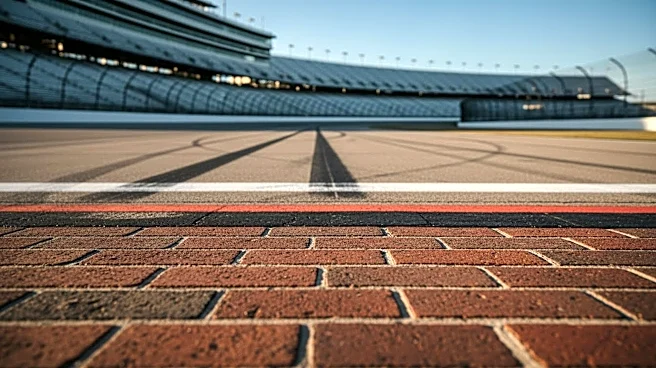
the legendary Indianapolis 500. Known as “The Greatest Spectacle in Racing,” the Indy 500 is a global phenomenon, one leg of the unofficial Triple Crown of Motorsport. The track itself is a unique 2.5-mile rectangle, and its original brick surface earned it the nickname “The Brickyard.” Today, only a three-foot strip of those original bricks remains at the start-finish line, a revered spot where champions celebrate. Winning at Indy, in any car, means conquering a century of ghosts and cementing a legacy.
NASCAR Arrives at Hallowed Ground
For decades, IMS was exclusively the domain of the sleek, open-wheel cars of Indy. The idea of heavy, brawny NASCAR stock cars competing there felt almost sacrilegious to some. But in 1994, it happened. The inaugural Brickyard 400 was a landmark event, bridging two distinct worlds of American auto racing. A massive crowd of over 250,000 people showed up, a testament to the monumental nature of the occasion. The race was won by a young Jeff Gordon, a victory that helped launch him into superstardom and immediately established the Brickyard 400 as one of NASCAR’s “crown jewel” events, alongside the Daytona 500 and Southern 500.
A Driver's Holy Grail
Ask any driver, and they’ll tell you: a win at Indy is different. While the Daytona 500 is NASCAR’s biggest party and its Super Bowl, the Brickyard 400 is about validation against history. It’s a chance to win on the same track as legends like A.J. Foyt, Mario Andretti, and Rick Mears. Indiana native Tony Stewart famously treated a Brickyard win as more important than a championship, and his two emotional victories here were career highlights. The tradition of “kissing the bricks,” started by Dale Jarrett in 1996, has become one of the most iconic celebrations in sports—a gesture of respect to the track and the legends who raced on it. Winning here isn’t just for the points; it’s for a permanent place in motorsport lore. The list of winners is a who's who of NASCAR royalty, including Dale Earnhardt, Jimmie Johnson, and Kevin Harvick.
A Tradition Renewed and Respected
The prestige of the race is so tied to the iconic oval that a brief experiment from 2021 to 2023, where NASCAR ran on the speedway’s infield road course, was met with a lukewarm reception from many drivers and fans. The magic was in conquering the legendary 2.5-mile oval, not a modern road course. Recognizing this, NASCAR brought the Brickyard 400 back to the oval in 2024 to widespread approval. The move was an immediate success, boosting attendance and restoring the event’s crown jewel status. Drivers celebrated the return, with Ryan Blaney noting that while the road course is at Indianapolis, winning on the “big track” is what truly makes it the Brickyard. The dramatic overtime finishes in 2024, won by Kyle Larson, and in 2025, won by Bubba Wallace, served as a powerful reminder of the tension and glory only the oval can provide.