



The Unmistakable Sea of Orange
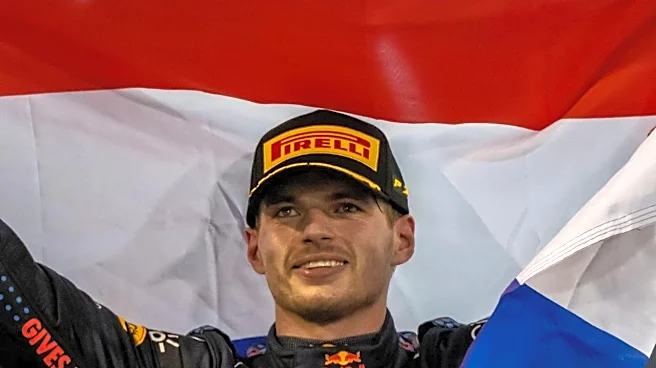
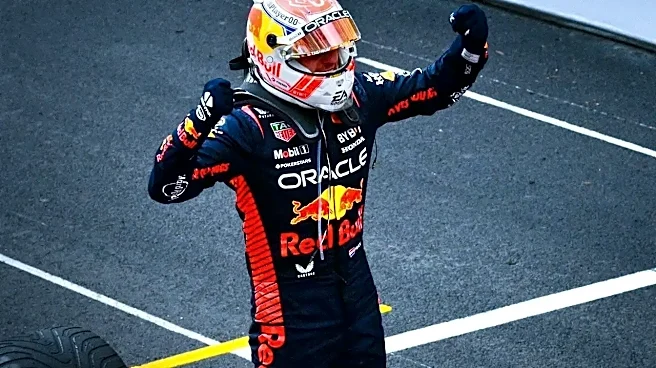
You can’t talk about the modern Dutch Grand Prix without starting with the fans. The 'Orange Army,' a vibrant, traveling legion of supporters for local hero Max Verstappen, has transformed the event into a festival. While passionate fan groups like Ferrari's
Tifosi are tied to a team, the Orange Army’s devotion is to a driver, creating a unique, nationalistic fervor that fills entire grandstands not just in the Netherlands but across Europe. Upon the race's return in 2021 after a 36-year absence, tickets sold out almost instantly, and the attendance surge was a clear measure of Verstappen's impact. This intense fan culture has set a new standard for atmosphere on the F1 calendar, turning the race weekend into a high-energy spectacle of music and celebration that rivals a major music festival.
An Old-School Track with a Modern Twist
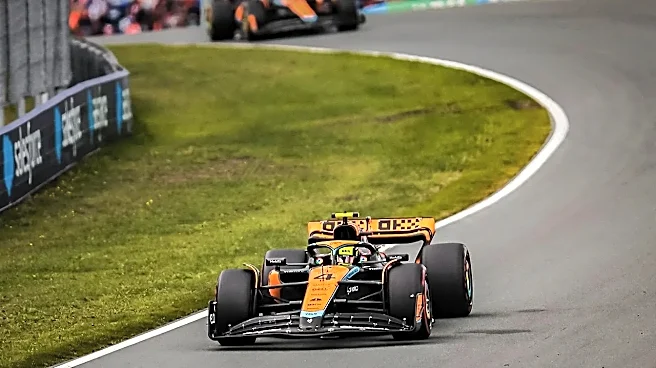
Zandvoort is what drivers call an 'old-school' circuit—fast, flowing, and unforgiving. Built in 1948 on roads originally laid by the German army, it winds through natural sand dunes, creating a rollercoaster of elevation changes. But its modern incarnation introduced a game-changing feature: steeply banked corners. The final turn, Arie Luyendykbocht, and Turn 3, Hugenholtzbocht, feature banking of around 18-19 degrees—more than double that of the famous Indianapolis Motor Speedway. This audacious design, suggested by the late FIA Race Director Charlie Whiting, challenges modern F1 car setups, which aren't designed for such sustained loads. It creates unique racing lines and high-speed cornering, making the track a formidable test of both driver skill and engineering compromise.
A Stage for Legends and Underdogs
Long before the current era, Zandvoort was a cornerstone of the F1 championship, first appearing on the calendar in 1952. Its roll of honor reads like a who's who of motorsport royalty, with victors including Juan Manuel Fangio, Jim Clark, Jackie Stewart, and Niki Lauda. The circuit was notorious for creating drama. In 1975, James Hunt secured his first-ever Grand Prix victory here for the underdog Hesketh team, holding off a charging Niki Lauda. In 1979, the track etched Gilles Villeneuve into legend when he wrestled his destroyed Ferrari back to the pits for nearly a full lap on just three wheels. The final race of the original era, in 1985, saw Niki Lauda take his 25th and final F1 win by masterfully defending against his teammate Alain Prost. These moments are woven into the fabric of F1 history.
Setting a New Standard for Events
The influence of the Dutch Grand Prix extends beyond the track. The event's organizers have aggressively pursued a forward-thinking model focused on sustainability and logistics. Recognizing the circuit's limited access, they championed a 'smart travel' policy, encouraging fans to arrive by bicycle or public transport. In 2023, 98% of visitors traveled sustainably, and the event has drastically cut CO2 emissions since its return. This focus on green energy and responsible logistics earned the Dutch GP an award from Formula One Management for its sustainability efforts. By proving that a massive sporting event can manage its environmental footprint and create a positive social impact, Zandvoort is providing a blueprint for the future of Formula 1 race promotion worldwide.