


Qualifying Is King
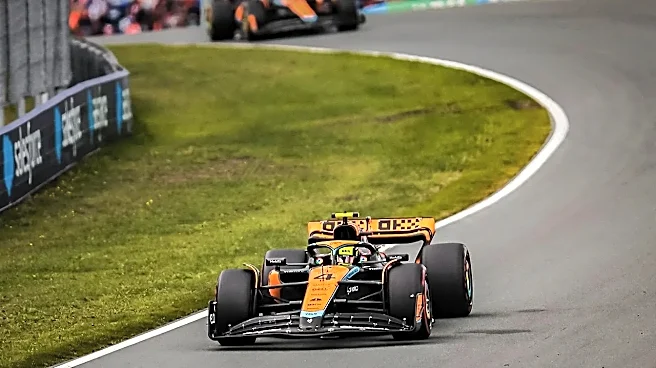
At most modern circuits, a poor qualifying session can be overcome with a fast car and smart overtakes. Zandvoort is not most circuits. The track is famously narrow, short, and twisty, making on-track passing incredibly difficult. As a result, Saturday’s
qualifying session is arguably more critical here than anywhere else besides Monaco. Securing a front-row start is paramount, as demonstrated in recent years where the pole-sitter has often converted their advantage into a win. Teams pour resources into perfecting a single-lap setup, knowing that every position gained on the starting grid is worth its weight in gold. A driver starting in the pack, even in a theoretically faster car, faces the monumental task of navigating the tight corners and dirty air, making a charge through the field a near-impossibility without major incidents or perfectly timed pit stops.
The Tire Management Tightrope
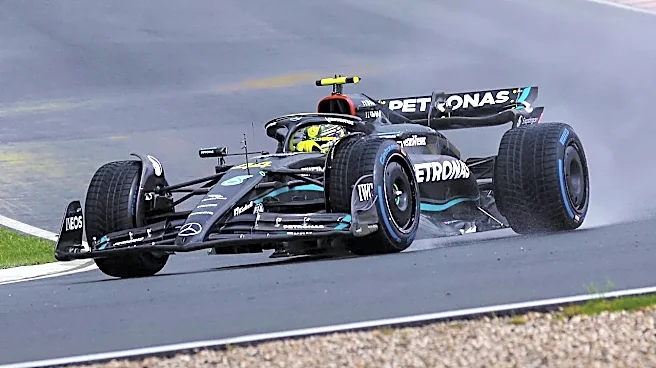
Zandvoort is relentless on tires. The series of high-speed corners and, most notably, its banked turns, subject the rubber to immense lateral and vertical forces. This is especially true for the front-left tire, which takes a particular beating throughout the 4.259-kilometer lap. This high degradation forces teams into a delicate strategic dance. A one-stop strategy is tempting, as it guarantees track position, but it requires a driver to manage their tires to an almost supernatural degree. More commonly, teams opt for a two-stop race, which allows for more aggressive driving but introduces the risk of getting stuck in traffic after a pit stop. The coastal weather adds another layer of complexity; cool temperatures and sand blown from nearby beaches can drastically alter grip levels between sessions, making tire preparation a constant headache.
Harnessing the Banking
The two most iconic features of the modern Zandvoort are its banked corners: Turn 3 (Hugenholtzbocht) and Turn 14 (Arie Luyendykbocht). With inclines of up to 19 degrees, these corners are steeper than those at the Indianapolis Motor Speedway and place unique loads on the cars and tires. Strategically, they offer both opportunities and risks. The banking allows drivers to carry significantly more speed onto the following straights and can provide alternative racing lines, creating rare overtaking possibilities, particularly on the inside. However, the immense G-forces generated also accelerate tire wear and can unsettle the car if not approached with precision. Teams must find a setup that is stable through the banking without compromising performance in the flatter, more technical sections of the track—a balancing act that often defines the weekend.
The Undercut and the Overcut
With on-track overtaking so difficult, the pit stop strategy becomes a primary weapon. The "undercut"—pitting a lap or two earlier than the car ahead to use the advantage of fresh tires to gain a position—is a powerful tool at Zandvoort. A successful undercut can leapfrog a driver ahead without ever having to make a pass on the circuit. However, it’s a high-risk gamble. Emerging from the pits into traffic can completely negate the advantage of new tires. Conversely, the "overcut"—staying out longer on older tires while a rival pits—can also work if the driver can maintain a strong pace and the tires haven't fallen off a performance cliff. The decision of when to pit is one of the most stressful calls for the strategists on the pit wall, often influenced by the high probability of a Safety Car, which can either make or break a race in an instant.