





You’re Ignoring the Groupthink
The single biggest source of draft-day comfort comes from following Average Draft Position (ADP). ADP is the consensus of where players are typically being selected, and drafting a player right around their ADP feels safe. It feels like you’re doing the “right”
thing. But savvy managers know that ADP isn't a definitive ranking of player value; it’s a measure of public opinion. The market is often wrong. Truly great drafts happen when you deviate from this consensus. That discomfort you feel is the friction of going against the crowd. When your league-mates zig toward a run on quarterbacks, and you zag by grabbing an undervalued wide receiver, it feels isolating. But every time your league panics and reaches for a position, they are pushing better overall players down the board, creating value that comfortable, consensus-driven drafters will miss.
You’re Trusting Your Research, Not the Room
You put in the hours. You read the articles, watched the film, and formed your own opinions on players. A comfortable draft is one where you let the draft room's picks validate the consensus rankings. An uncomfortable—and better—draft is when you trust your own homework, even when it tells you to do something unpopular. Maybe you believe a running back in a new system is poised for a breakout, while the ADP suggests he’s a risky pick. Taking him two rounds “early” will feel like a massive reach. Your league might even comment on it. That’s the feeling of conviction. Experts often stress that you shouldn't be afraid to go get your guys, even if it means picking them ahead of their market price. That feeling of unease is simply the gap between your informed opinion and the group's less-informed one.
You’re Chasing a Championship, Not Just the Playoffs
Safe, comfortable picks can build a decent, competitive team—one that might even make the playoffs. But they rarely win championships. Championships are won by taking calculated risks and hitting on players with league-winning upside. Those players are, by definition, uncomfortable picks. They might be talented rookies in murky situations, veterans returning from injury, or players on offenses expected to take a big leap forward. Drafting a player with a wide range of outcomes feels much scarier than drafting a veteran with a steady, predictable floor of 8-10 points per week. But your bench shouldn't be filled with safe, low-ceiling players. It should be full of lottery tickets—players who, if things break right, could become top-20 options at their position. Embracing that risk is essential for building a team with the firepower to dominate in the fantasy playoffs.
You’re Playing Chess, Not Checkers
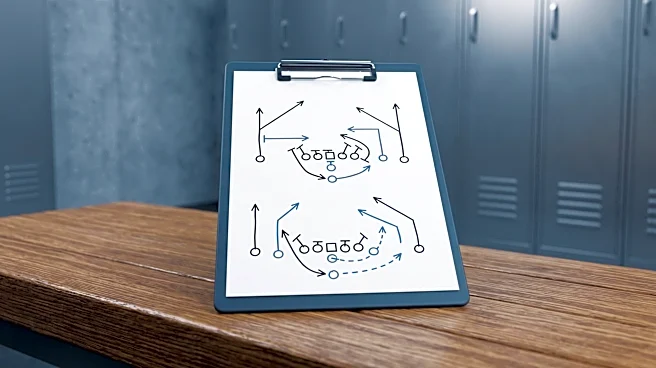
A comfortable draft often involves filling out your starting lineup as quickly as possible. It’s a very linear, checklist-style approach. But the best drafters think several rounds ahead, paying attention to positional scarcity and how their opponents' rosters are constructed. Sometimes, the right move is to draft a third running back even though you still need a starting receiver, because you recognize a steep drop-off in talent is coming at that position. This feels uncomfortable because it leaves a hole in your lineup. It looks unbalanced on the screen. But it's a strategic move to accumulate the most possible value over the course of the entire draft, not just the first few rounds. This approach focuses on building the best possible roster, not just filling starting slots in order. It’s a long-term strategy that creates short-term unease.