





The On-Court Coaches
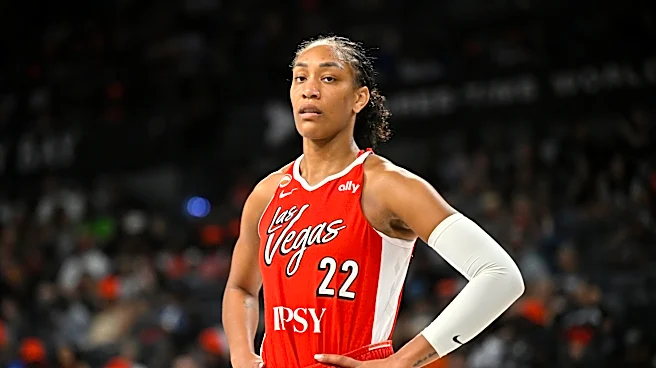
In a typical season, players spend months building chemistry. At All-Star Weekend, they have about 48 hours. This is where the veterans become invaluable. Look for players like eight-time All-Stars Breanna Stewart and A'ja Wilson to act as de facto coaches
on the floor. They possess a unique institutional knowledge, having played alongside and against nearly every other star in the game. Their true skill isn't just scoring or defending; it's translating. They are the ones who can pull aside a first-time All-Star like Olivia Miles or Gabby Williams and, in a few short words, sync them up with the flow of a team composed of strangers. They simplify complex offensive sets on the fly and ensure everyone is on the same page, turning a collection of talent into a functioning unit.
The Point Guard's Silent Language
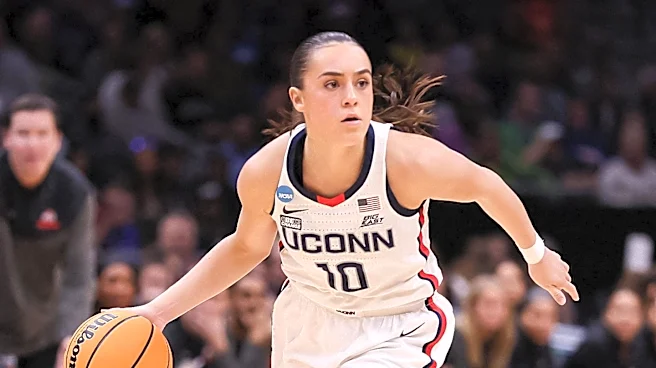
Much of the most critical communication is non-verbal, and it flows through the team’s primary ball-handlers. With fan-favorites Paige Bueckers and Caitlin Clark helming the two squads, this silent language will be on full display. Clark, who ranks near the top of the league in assists, has built a career on her preternatural ability to anticipate where her teammates will be. A subtle head nod, a quick glance, or a specific type of dribble can signal an entire play without a word being spoken. For players who have never shared a court before, being able to read these cues is the difference between a broken play and a highlight-reel assist. It’s a testament to basketball IQ, a shared understanding of space and timing that allows elite players to connect as if they've been teammates for years.
Building Trust Between Rivals
The most fascinating dynamic of All-Star Weekend is watching fierce competitors become temporary allies. Players from the league's top teams, like the Minnesota Lynx, Dallas Wings, and Golden State Valkyries, will find themselves split between Team Cooper and Team Spoon. Suddenly, a player you were battling for playoff position last week is the one you need to trust on a backdoor cut. This rapid trust-building is fueled by professional respect. These athletes are intimately familiar with each other's tendencies, strengths, and weaknesses from countless hours of game-planning against them. At the All-Star Game, that knowledge is repurposed. Instead of exploiting a weakness, a player might set a screen to free up a rival shooter, knowing their sweet spot on the floor.
The Energy of the All-Star Bench
Communication isn't limited to the five players on the court. The All-Star bench is a unique entity—a collection of starters and MVPs temporarily serving as a support crew. Their role is crucial. In a game built on spectacle and momentum, the energy from the sideline can be a tangible force. An engaged bench celebrating a spectacular play, offering insights during a timeout, or simply maintaining a high level of enthusiasm keeps the on-court players locked in. Unlike a regular-season game, there's no coach managing egos or minutes distribution in the same way. The responsibility falls on the players themselves to stay positive and contribute, whether they're in the game or cheering from the side. This collective buy-in is a form of communication that signals unity and shared purpose.