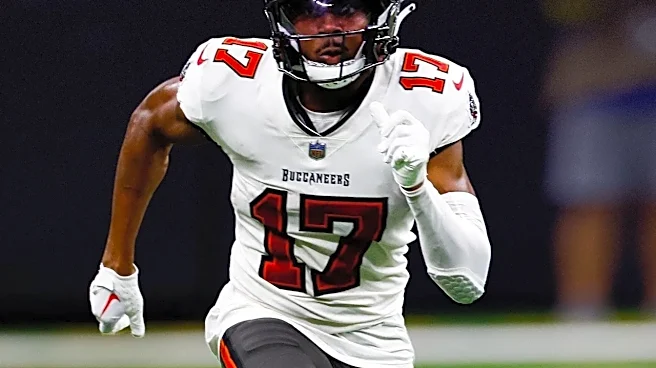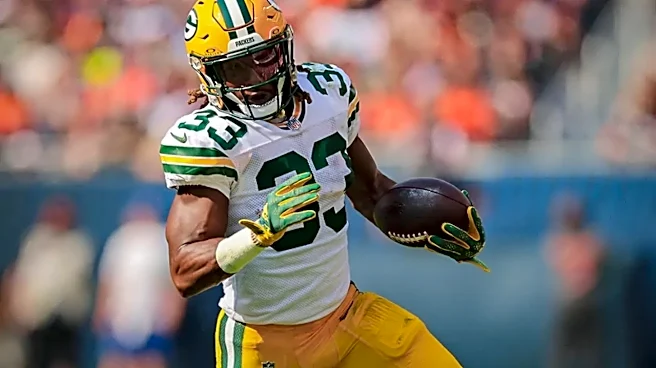

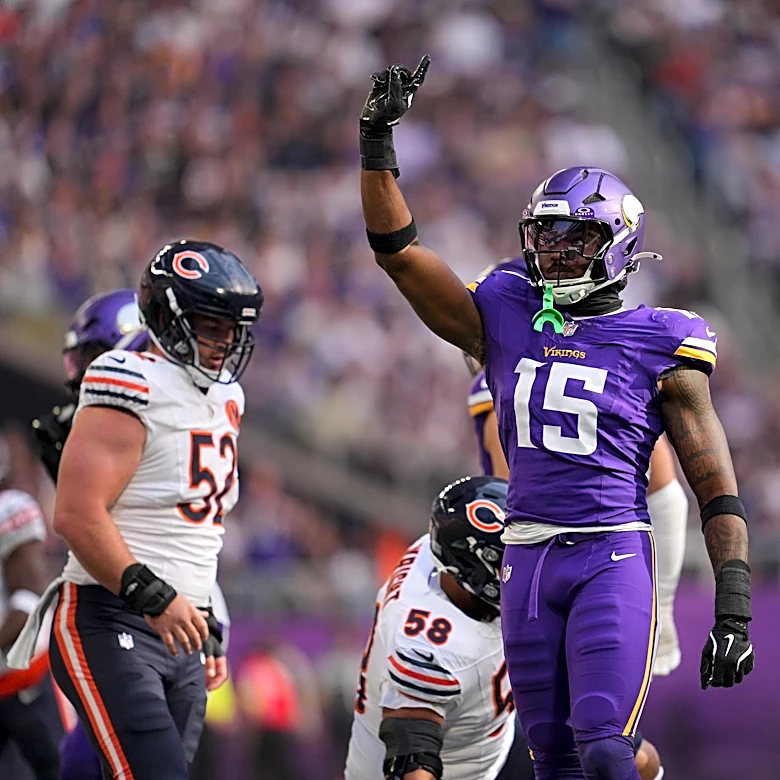

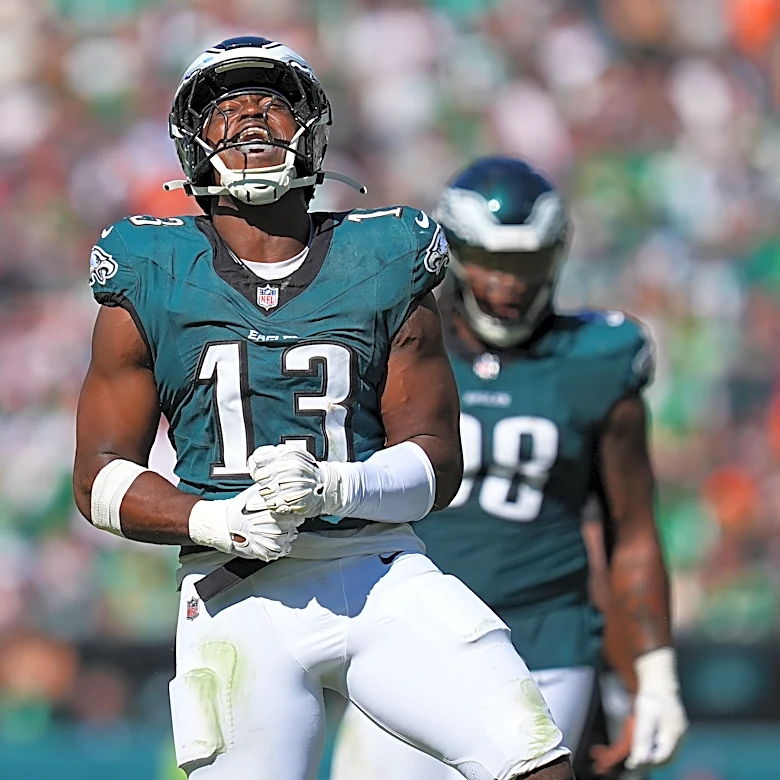
The Core Debate: Volume vs. Efficiency
At the heart of most projection disputes is a simple question: What matters more, how often a player gets the ball or what he does with it? Some analysts build their models around volume. They prioritize players locked into a massive workload, like 20+
touches a game, believing opportunity is the most predictable stat in fantasy football. A running back who gets 20 or more touches in a game has historically been an RB1 over 60% of the time. Other experts lean more into efficiency, betting on explosive talent. They look at metrics like yards per route run or fantasy points over expectation (FPOE), which measures how much a player out-produces his expected workload. They’ll rank a hyper-efficient back in a shared backfield over a less talented volume-eater, gambling that elite skill will win out. Neither side is wrong, but their different starting points lead to vastly different rankings.
Predicting the Golden Ticket: Touchdowns
Touchdowns are the great equalizer in fantasy, and also the great variable. Scoring is notoriously difficult to predict year-over-year. Analysts disagree fiercely on how to project them. Some models heavily weigh a team’s offensive prowess and a running back's red-zone usage, projecting a high total for the goal-line back on a top offense. Others view touchdowns as more random and will regress a player’s touchdown rate closer to the league average, especially if their previous season's total was an outlier. For instance, a player who scored on 8% of his touches is a prime candidate for regression when the league average is closer to 3%. This single factor can swing a player's projection by 30 or 40 points over a season, creating huge gaps in rankings.
The Power of the Pass
In today’s NFL, a running back's value in the passing game is a massive driver of fantasy success, especially in point-per-reception (PPR) formats. An RB target is, on average, worth more than double a rushing attempt in PPR leagues. This is a major point of contention for forecasters. How an analyst projects target share is more of an art than a science. Some give more weight to a player's history as a receiver and their quarterback's tendencies, while others focus on the offensive coordinator's scheme. Mobile quarterbacks, for example, tend to check down to running backs less often, which can suppress a back's receiving upside. This difference in projecting a player's role in the passing game can easily be the difference between a back being ranked as a low-end RB1 or a mid-tier RB2.
Offensive Line: How Much Does It Matter?
You can’t run if there’s nowhere to go. But how much should a running back be punished or rewarded for his offensive line? Analysts are deeply divided here. Some statistical models show a surprisingly low correlation between O-line rankings and a running back's fantasy output, arguing that elite talent and, more importantly, sheer volume can overcome poor blocking. Other analyses show a significant relationship, pointing out that teams with good run-blocking provide far more opportunities for their backs to succeed. For example, some studies find that teams with above-average lines are dramatically more likely to produce above-average fantasy rushing points. This philosophical split means some rankers will heavily downgrade a talented back running behind a weak line, while others will largely ignore the situation and focus on the player's individual ability and expected workload.