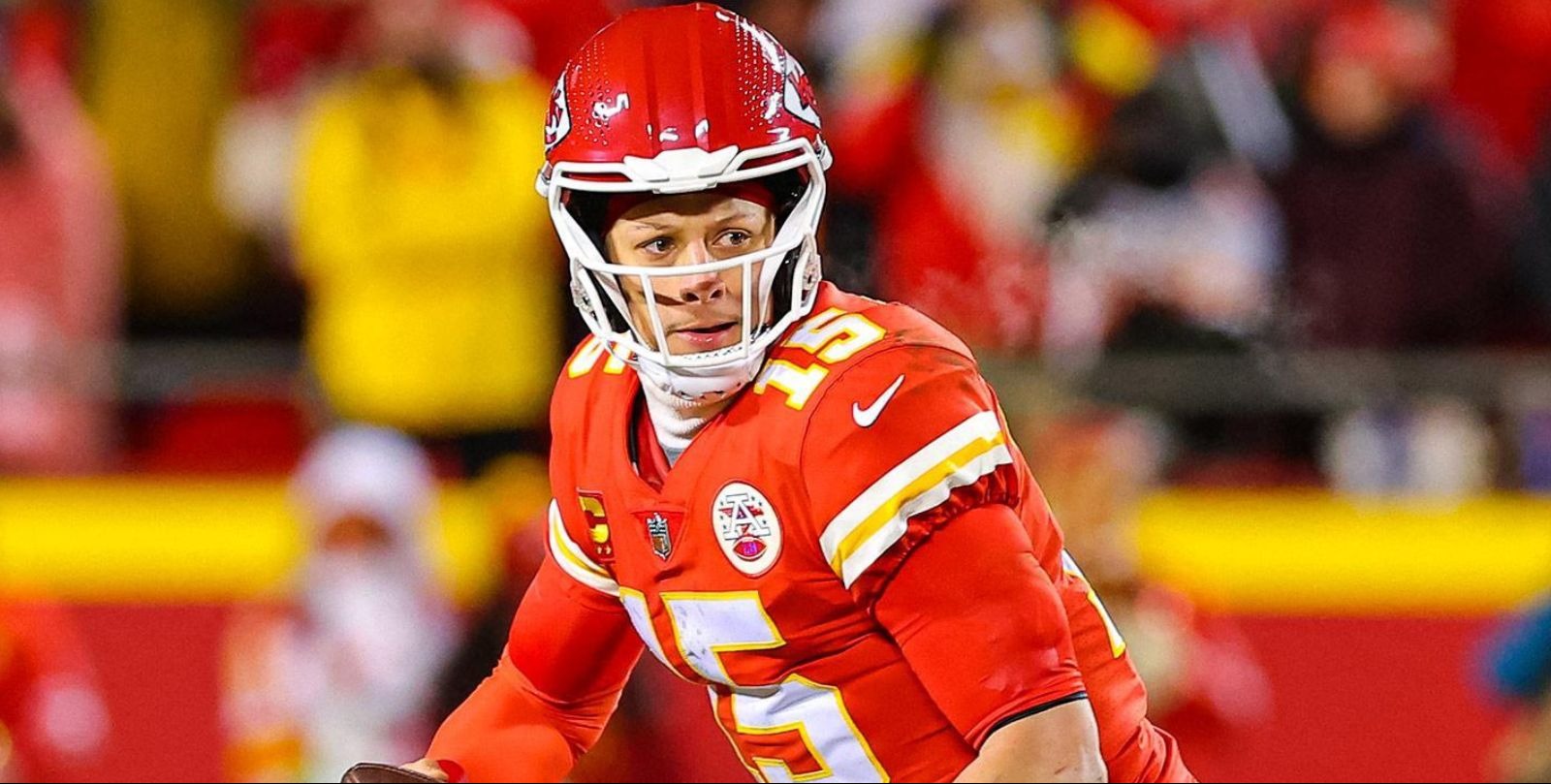


The Irresistible Allure of Elite Talent
It’s easy to fall in love with the idea of a target-hog receiver or a workhorse running back, even if their team is projected to be among the league's worst. The logic is seductive: in a barren offense, who else is going to get the ball? This thinking
leads fantasy managers to invest high draft picks in players who are the undisputed top option on their team. The hope is that sheer volume can compensate for a lack of offensive efficiency or scoring opportunities. A player who sees 150-plus targets or 300-plus touches has a built-in floor that seems safe, regardless of the team's win-loss record. This is the central appeal of drafting talent over situation—banking on an individual's ability to produce fantasy points through raw opportunity, even when the offense as a whole is sputtering.
Anatomy of a Broken Offense
What does a “broken” offense actually look like? It’s more than just a bad record. Key indicators include a bottom-tier offensive line, poor quarterback play, a predictable scheme, or a combination of all three. These factors have a direct, corrosive effect on fantasy production. A weak offensive line means a running back is hit at or behind the line of scrimmage, and a quarterback is constantly under pressure, preventing deep routes from developing. Inaccurate quarterbacking tanks a receiver's efficiency, turning valuable targets into empty air yards. Furthermore, teams that are constantly playing from behind are forced to abandon the run, which can render a talented running back useless in the second half of games. According to some analyses, teams with major offensive concerns often struggle to support even one reliable fantasy asset. This environment of dysfunction actively works against a player's talent, limiting their ceiling and lowering their fantasy floor.
When the Bet Pays Off
Despite the risks, betting on talent in a poor situation can lead to a league-winning advantage if it hits. The classic example is a wide receiver who becomes a “target funnel,” commanding such a massive share of his team's passing game that he produces elite numbers through sheer volume. A player like Garrett Wilson on the Jets in past seasons has exemplified this, proving that individual talent can sometimes transcend a difficult environment. Similarly, a running back on a bad team might cede some rushing work due to negative game scripts but make up for it with a heavy workload in the passing game, racking up receptions and PPR points. The key is identifying a player whose role is insulated from the team's overall struggles. For instance, a trade can completely change a player's outlook; Jaylen Waddle's move to the Broncos is a recent example where a change of scenery from a dysfunctional unit to a high-volume passing attack is expected to pay dividends.
Cautionary Tales of Wasted Talent
For every success story, there are numerous cautionary tales. Many fantasy managers have been burned by drafting a gifted player only to watch their production evaporate in an offensive black hole. Often, a talented rookie running back can see their upside capped by a crowded backfield and poor quarterback play. Defenses can afford to double-team a star receiver when there are no other legitimate threats on the field to command respect. A quarterback under constant duress simply doesn't have time to find his top option downfield. These players often become bust candidates not because of their own skill, but because the situation is simply untenable. Their average draft position (ADP) reflects their talent, but their end-of-season rank reflects their team's crippling dysfunction. These are the picks that can sink a fantasy season, leaving managers with a high-priced asset who consistently underperforms.
The Verdict: How to Weigh the Risk
So, how do you make the right call? It comes down to price and probability. The most important factor is the cost of acquisition—the draft pick you have to spend. Investing a first- or second-round pick in a player on a broken offense carries immense risk, as a bust in the early rounds is difficult to recover from. In the middle rounds, however, the risk is more palatable. Secondly, analyze the nature of the talent and the dysfunction. Is the player a running back who relies on game script or a receiver who can command targets regardless? Is the offense bad because of a tough schedule that will ease up, or is it fundamentally broken at the coaching and personnel level? An elite receiver with a high target floor is often a safer bet than a running back on a team likely to face a season of negative game scripts. It's not just about drafting good players; it's about drafting them at a cost that properly accounts for the situation they're in.