


The Scale Is Almost Unbelievable
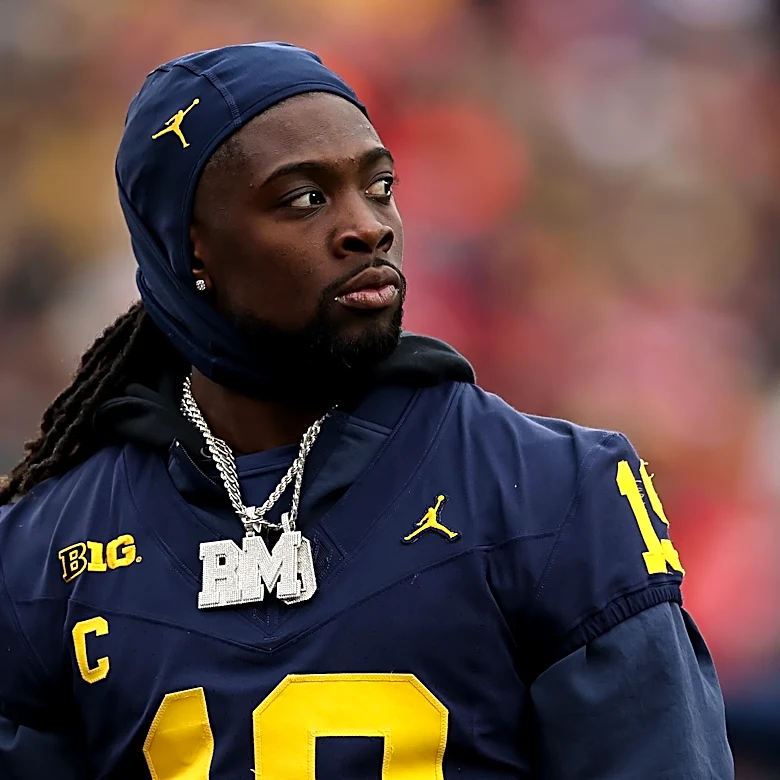
Forget your typical Sunday arena. The largest NFL stadium holds about 82,500 people. At least eight different college football stadiums hold over 100,000. Standing in a place like Michigan’s “Big House” with 107,000 other fans creates a roar that isn’t
just loud; it's a physical force. The sheer mass of humanity, all focused on one field, generates an energy that professional sports venues, often built for comfort over capacity, rarely match. The spectacle begins before you even find your seat, with the size of the crowd itself serving as the opening act.
Tailgating Is a Day-Long Festival, Not Just a Pregame
In professional sports, tailgating is a fun appetizer. In college football, it’s the main course. For hours before kickoff, acres of campus transform into a sprawling city of tents, grills, and team colors. This isn’t just about burgers and beers on the back of a truck; it’s a multi-generational ritual where students, alumni, and locals reconnect. At places like The Grove at Ole Miss, you’ll find fans in their Saturday best, complete with chandeliers hanging from tents. It’s a cultural event that celebrates community as much as the upcoming game.
The Soundtrack Comes From a 300-Piece Marching Band
While pro stadiums rely on canned rock anthems, college football’s soundtrack is live, breathing, and has a real heartbeat. Marching bands are central to the entire experience, creating an atmosphere that piped-in music can’t replicate. From the pre-game show that sparks school spirit to playing the fight song after a touchdown, these bands are the game's narrators. Traditions like Ohio State’s “dotting the i” are as anticipated as kickoff itself, turning the halftime show into a must-see performance.
The Passion Is Different—It's About Identity
Professional fans are loyal to a city or a franchise. College football fandom is about personal identity. The crowd is filled with current students, alumni who see the campus as a second home, and local residents whose towns are defined by the university. This creates a deep, emotional connection to the amateur athletes on the field, who are seen as peers and representatives of a shared community. The loyalty isn't transactional; it's woven into the fabric of people’s lives, creating a wonderfully irrational passion.
Tradition Is Everything and Everywhere
College football is steeped in rituals that are passed down through generations. At Clemson, the team rubs Howard's Rock before running down a hill. At Wisconsin, the entire stadium literally jumps around between the third and fourth quarters. At Texas A&M, the entire student body stands for the whole game as the “12th Man.” These traditions, from floating tailgate parties in Tennessee's “Vol Navy” to Army and Navy players singing each other's alma maters, add layers of meaning that go far beyond a single win or loss.
Every Game Feels Like a Playoff
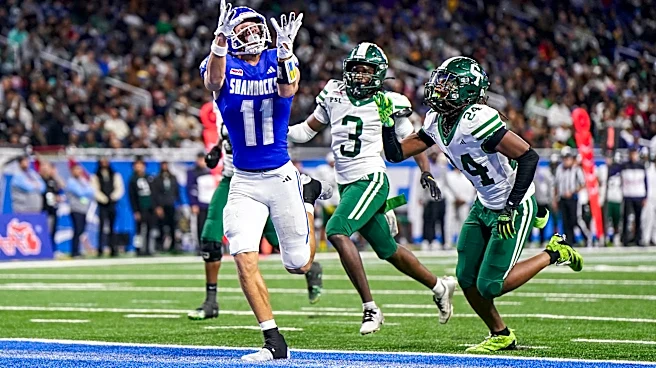
In a 17-game NFL season, an early loss can be shaken off. In college football, with a shorter season and a narrow path to a championship, a single defeat can derail everything. This unforgiving structure imbues every regular-season matchup with playoff-level stakes. The tension in the stadium during a rivalry game is palpable because everyone understands that championship hopes can live or die in those 60 minutes. It makes for a more desperate, and therefore more thrilling, viewing experience.