


More Than a Finals
To understand the play, you have to understand the stakes. In June 1991, the Chicago Bulls were talented upstarts, but Michael Jordan had yet to win a championship. The narrative at the time was that for all his individual brilliance, he couldn't elevate
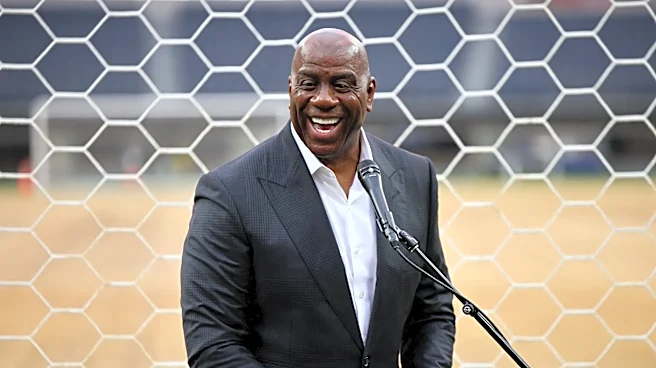
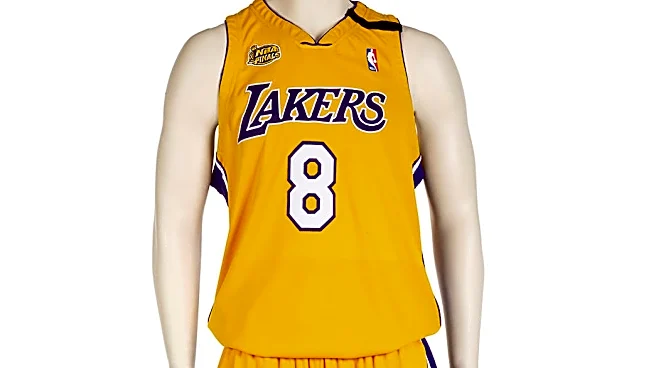
his team to the ultimate prize. Standing in his way were the Los Angeles Lakers, the team of the 1980s, led by the legendary Magic Johnson. After the Lakers stole Game 1 in Chicago, the pressure was suffocating. A 0-2 deficit, with the series heading to Los Angeles, would have been a monumental hole to climb out of. The Bulls didn't just need a win in Game 2; they needed to make a statement.
The Laws of Physics, Suspended
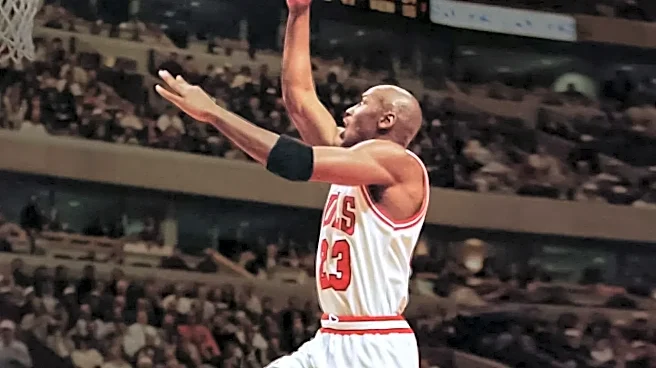
The moment arrived in the fourth quarter of Game 2. The Bulls were in control, but what happened next went beyond the box score. Jordan received the ball, drove down the lane, and elevated for what looked like a routine, powerful right-handed dunk. But as he hung in the air, he saw Lakers forward Sam Perkins shifting to contest the shot. In that split second, Jordan did the unthinkable. He switched the ball from his right hand to his left in mid-flight, contorted his body around the defender who wasn't quite there, and softly kissed the ball off the glass for a layup. The play was so fluid, so creative, and so physically implausible that it left everyone in the arena—and watching at home—in stunned silence. As announcer Marv Albert famously yelled, "Oh! A spectacular move by Michael Jordan!". That call became as iconic as the play itself.
A Statement of Dominance
The basket only counted for two points, but its psychological impact was immeasurable. The Bulls were already on a roll, shooting an incredible percentage in the second half, and this play was the exclamation point. It was a demonstration of a level of skill and creativity that no other player possessed. Even Lakers star Magic Johnson expressed his disbelief after the game, describing how Jordan seemed to just keep floating. The play wasn't born of necessity; Perkins wasn't in a perfect position to block the dunk. Instead, it felt like a moment of pure, unadulterated genius and showmanship—a flex that declared the game, and the series, was now his. Coach Phil Jackson, usually stoic, couldn't help but crack a smile on the sideline. He knew, as everyone did, that he had just witnessed something special.
The Passing of the Torch
More than just a highlight, the hand-switch layup was a symbolic transfer of power. The 1980s belonged to Magic Johnson's Showtime Lakers and Larry Bird's Celtics. They were the establishment. Michael Jordan and the Bulls were the new guard, knocking on the door for years. With that one, elegant, and audacious move, Jordan kicked the door down. The Bulls routed the Lakers 107-86 to even the series and would not lose another game, capturing the franchise's first-ever NBA title. The play came to represent the official end of the Lakers' dynasty and the beginning of the Bulls' reign, which would see them win six championships in eight years. It was the moment a brilliant individual scorer proved he was a champion, and the NBA landscape shifted for the next decade.
A Signature in the Air
Decades later, "The Move" remains a fixture on every list of Jordan's greatest plays. It's more than just a memory; it's a core piece of the Jordan mythology. It perfectly encapsulates his combination of athletic dominance, creative artistry, and unparalleled body control. While he had more thunderous dunks and more clutch game-winners, no other play quite captures the feeling of watching him do something that seemed to defy logic and physics. It's the play you show someone to explain what made Michael Jordan different. It wasn't just that he could beat you; it was that he could do it with a style and grace that was simply on another level from everyone else on the court.