


A Stage Named for a Titan
Before a single ball was struck, the stadium made a powerful statement with its name. Arthur Ashe was more than the winner of the inaugural US Open in 1968; he was a trailblazer, activist, and humanitarian. As the first African American man to win a Grand
Slam title, his legacy extends far beyond his on-court achievements. Naming the world's largest tennis stadium after him in 1997 was a deliberate choice by the USTA to honor a man who championed inclusion and social justice. This dedication infuses the venue with a sense of purpose. Every match played under its lights carries the spirit of a man who broke barriers, making the stadium not just a sports arena, but a symbol of progress.
The Colosseum of Tennis
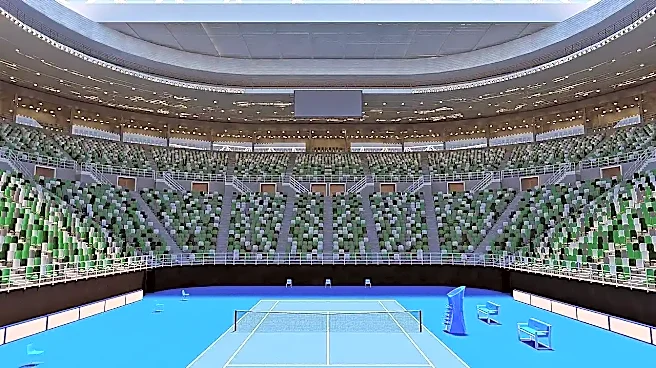
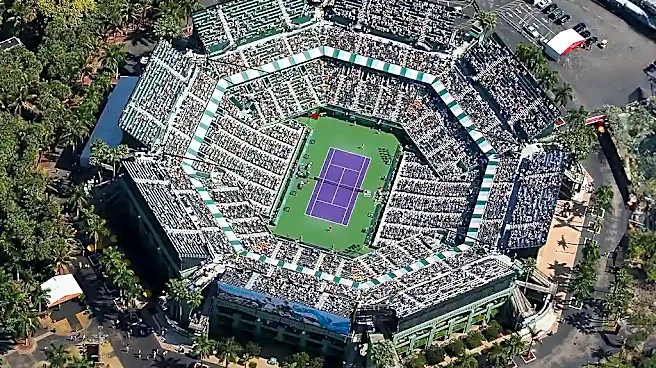
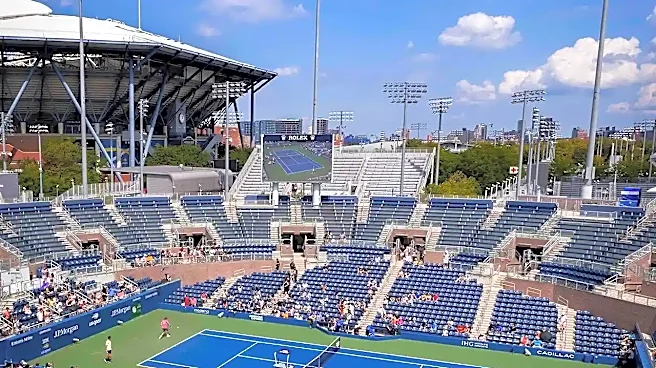
There is no tennis stadium on earth that can match its sheer scale. With a capacity of 23,771, Arthur Ashe Stadium is the largest tennis-only venue in the world by a significant margin. This size creates an atmosphere unlike any other Grand Slam. Players have often described the feeling of walking onto the court as walking into a gladiator-style colosseum. The sound, the sea of faces stretching up into the sky, and the sheer volume of energy can be overwhelming for the uninitiated and exhilarating for the seasoned champion. This epic scale turns every marquee match into a spectacle, amplifying the drama and the stakes for players and the nearly 24,000 fans inside.
The Electric Anarchy of a New York Night
While other Grand Slams are known for polite applause and reserved crowds, the US Open, and specifically a night session at Ashe, is a different beast entirely. It’s loud, it’s passionate, and it’s unapologetically New York. The energy from the crowd under the lights is a defining feature, often becoming a factor in the match itself. The roar during a pivotal point can feel like a jet engine, a stark contrast to the reverent hush of Wimbledon. This raucous atmosphere has fueled some of the most memorable comebacks and created legends. Players who can harness the crowd's energy thrive, while others have crumbled under the immense pressure cooked up by the five boroughs.
The Theater of Modern Classics
A venue is only as great as the moments it hosts, and Ashe has a deep catalog. It was the stage for the first-ever primetime women's singles final in 2001, a historic clash between Venus and Serena Williams. It’s where Andy Roddick, the last American man to win a major, blasted his way to the 2003 title. It's where Andre Agassi and James Blake played an epic five-set quarterfinal in 2005 that crackled with drama until the very last point. And it's where Roger Federer, Rafael Nadal, and Novak Djokovic have authored some of the most compelling chapters of their rivalries, including Djokovic's stunning comeback wins from match points down against Federer. These moments are etched into the stadium's DNA, turning the blue court into hallowed ground.
An Engineering Feat That Changed Everything
For years, the one vulnerability of the US Open was weather. Rain delays often pushed the men's final to Monday, causing logistical nightmares. That all changed in 2016 with the completion of a massive, $150 million retractable roof. The two-million-pound structure, an engineering marvel in its own right, can close in under seven minutes, weather-proofing the tournament’s premier matches. This addition was more than a practical fix; it was a statement of intent, ensuring that the drama on court would no longer be at the mercy of the skies. It solidified the stadium's status as a state-of-the-art facility ready for the modern demands of global sport.