


Zandvoort’s Old-School Gauntlet
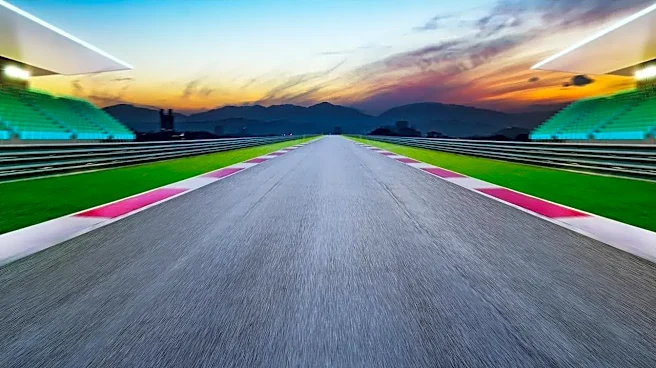
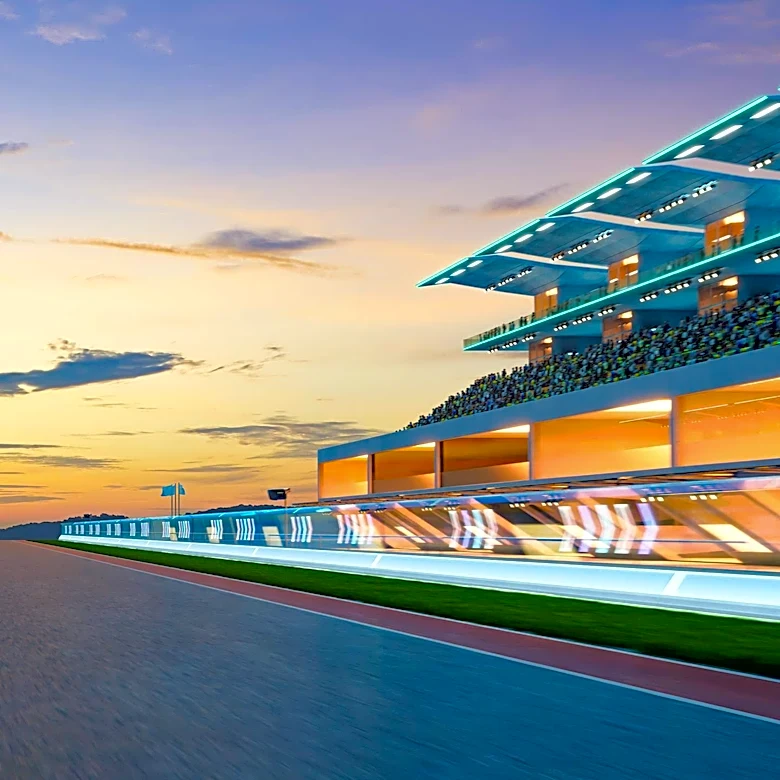
To understand the strategic headache of the Dutch Grand Prix, you have to understand the Circuit Zandvoort itself. Nestled in the sand dunes along the North Sea coast, it's a throwback circuit: narrow, twisting, and unforgiving. Unlike modern super-circuits
with vast runoff areas, Zandvoort punishes mistakes harshly. This geography makes on-track overtaking notoriously difficult. As a result, a car’s position on the track becomes incredibly valuable, elevating the importance of gaining an advantage through pit strategy rather than wheel-to-wheel racing.
The Banking is Everything
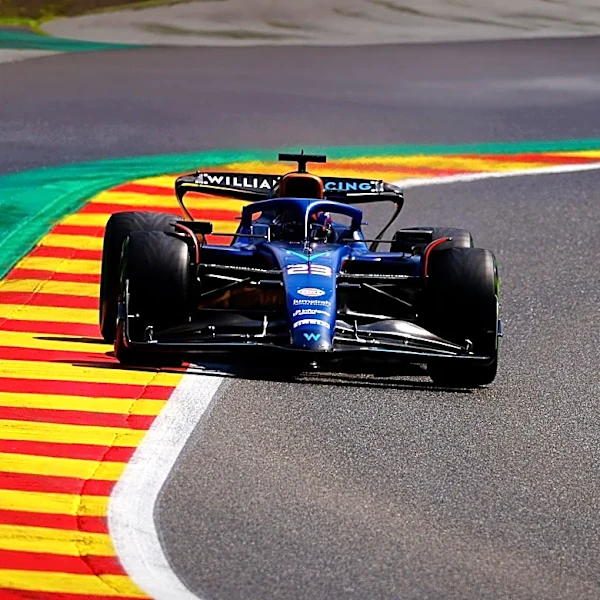
What truly sets Zandvoort apart are its now-famous banked corners, particularly Turn 3 and the final Turn 14. With inclines of up to 19 degrees, these corners are steeper than those at the Indianapolis Motor Speedway. This banking allows drivers to carry incredible speed through the turn, but it exerts immense vertical and lateral forces on the tires. This constant, high-energy load generates significant heat and stress, accelerating tire wear far more than a flat corner would. Teams must find a delicate balance in their car setup, running high downforce to stick to the track without shredding their tires on the punishing banked surfaces.
Pirelli’s Menu: The C2, C3, and C4
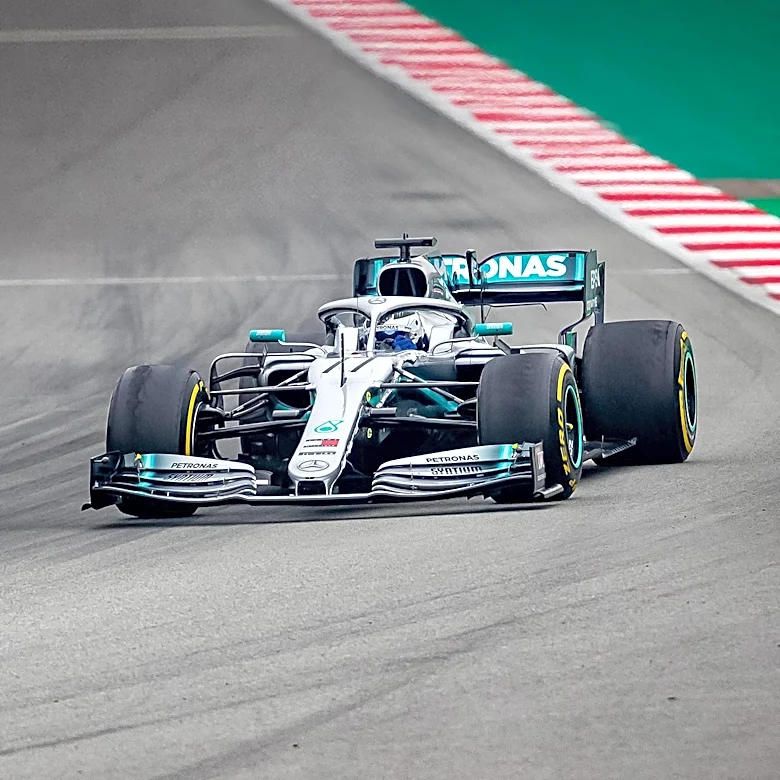
For the Dutch Grand Prix, F1’s official tire supplier, Pirelli, typically provides teams with three compounds from the middle of its range: the C2 (Hard), C3 (Medium), and C4 (Soft). The Soft tire offers the most grip and initial speed but degrades quickly. The Hard tire is the most durable but the slowest. The Medium offers a compromise between the two. The choice for Zandvoort reflects the track's demands: the compounds need to be robust enough to handle the banking but soft enough to encourage strategic variety. A one-stop race is possible but often risky, while a two-stop strategy is frequently the quicker, more flexible option.
The Undercut: Zandvoort’s Prime Weapon
Because overtaking is so hard, the “undercut” is an especially powerful tool at the Dutch GP. This strategy involves a chasing car pitting a lap or two before the car ahead. The goal is to use the massive pace advantage of fresh tires for a few laps to gain enough time so that when the lead car finally pits, it emerges from the pit lane behind. The risk? Pitting too early can mean the tires won't last to the end of the race, forcing an extra, time-consuming stop. Conversely, the “overcut”—staying out longer on old tires—is less common but can work if a rival gets stuck in traffic or struggles to get their new, cold tires up to temperature.
Wildcards: Sand, Wind, and Safety Cars
Strategy isn't just planned; it's reactive. Zandvoort’s coastal location means weather is a constant threat. Wind blowing off the North Sea can unsettle the cars, while sand from the nearby beaches can blow onto the track, drastically reducing grip and increasing tire wear. Rain can, of course, throw every dry-tire plan out the window. Furthermore, the narrow track and lack of runoff mean that incidents are common, often bringing out a Safety Car. A timely Safety Car can grant a “cheap” pit stop, allowing a driver to change tires while losing far less time relative to the field, completely upending the race and rewarding those who are willing to gamble.