



A Classic Forged in the Dunes
The story of Zandvoort begins right after World War II, with a permanent circuit officially opening in 1948, partially built over communications roads left by German forces. The seaside track, carved through the coastal dunes, quickly gained a reputation
as a fast, flowing, and unforgiving circuit beloved by drivers. It joined the official Formula 1 World Championship in 1952, becoming a staple of the sport's golden era. Legends like Juan Manuel Fangio, Jim Clark, and Jackie Stewart all tasted victory here, battling on a narrow ribbon of asphalt where blind crests and high-speed corners separated the good from the great. This was an old-school test of courage and skill, where the natural elevation changes and windswept conditions made every lap a challenge.
The Party Goes Quiet
The 1985 Dutch Grand Prix was a thriller, with Niki Lauda holding off his charging McLaren teammate Alain Prost to take his 25th and final career victory. But it was also a farewell. The company running the circuit went out of business, and F1 disappeared from the Netherlands for what would become 36 years. Like many classic European tracks of its time, Zandvoort was struggling with outdated facilities and growing safety concerns. The track was in danger of being lost entirely. For a time, it was shortened to an interim club circuit while parts of the original layout were sold to a bungalow park developer. For a generation of F1 fans, Zandvoort became a ghost, a legendary name consigned to the history books.
The Rise of the Orange Army
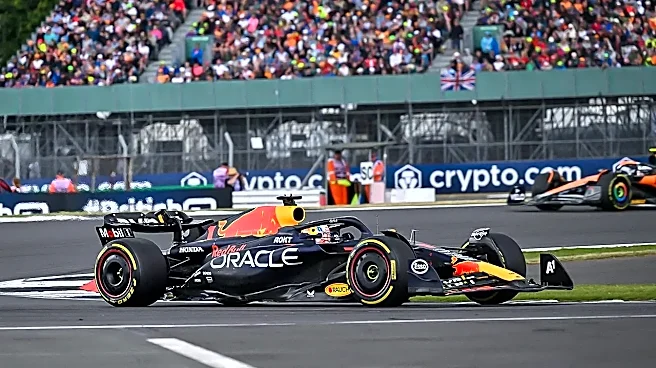
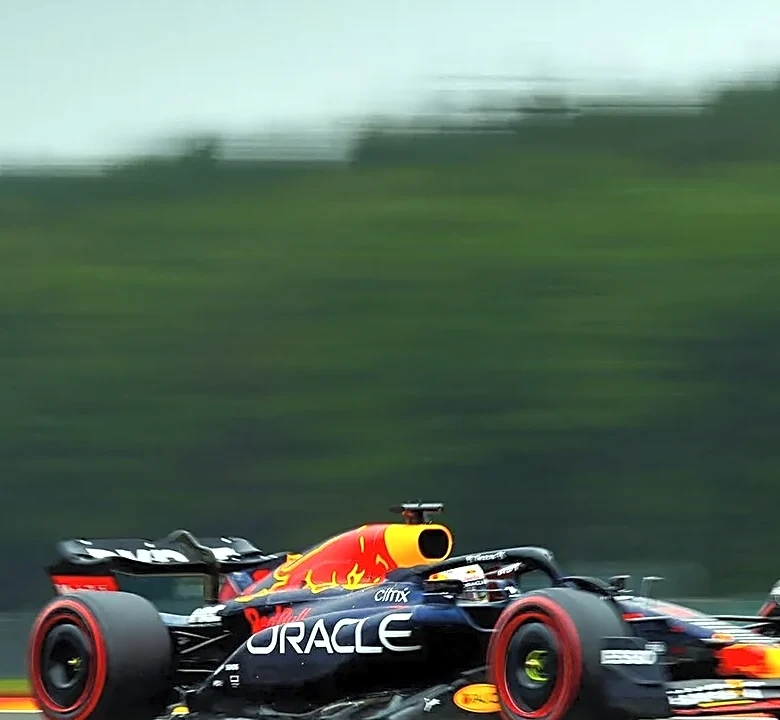
For decades, a Dutch Grand Prix return seemed like a fantasy. Then came Max Verstappen. His meteoric rise through the ranks of motorsport and into a top F1 seat created a phenomenon. An army of passionate Dutch fans, clad in orange, began traveling to races across Europe, creating a vibrant, festival-like atmosphere wherever they went. This cultural wave, known as the "Orange Army," created an undeniable commercial and emotional argument for a home race. Promoters recognized that the timing was perfect, and that Verstappen's heroic status was the key to making it happen. The Dutch GP wouldn't just be a race; it would be a national celebration.
A Modern Track with an Old Soul
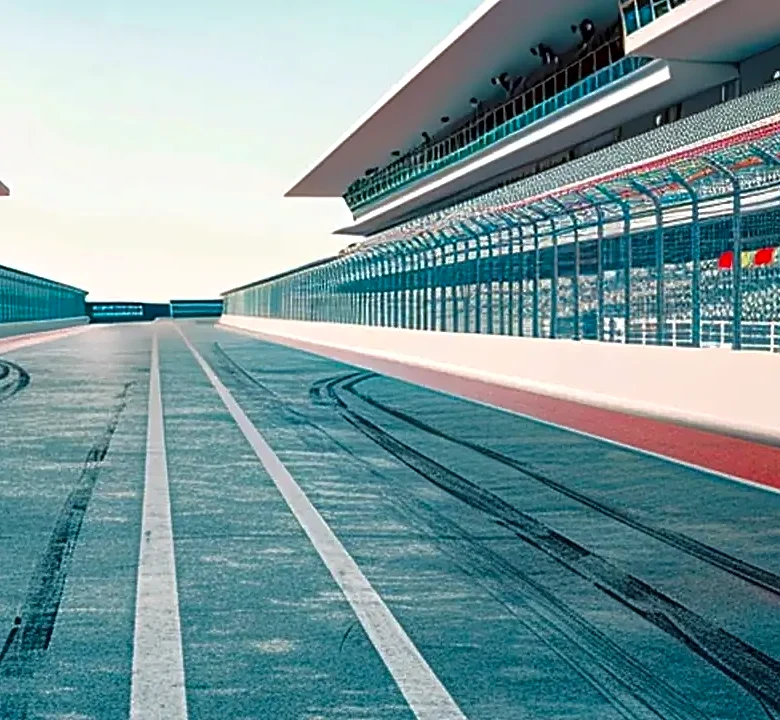
Bringing Zandvoort back for 2021 required a massive overhaul. The challenge for designers was to meet modern F1's stringent safety and logistical standards without erasing the track's classic character. The solution was bold and innovative. To improve overtaking opportunities on the relatively short straights, engineers introduced two dramatic, high-banked corners, including the Arie Luyendyk corner and the repositioned Hugenholtz corner. These unique, steeply angled turns—with banking up to 18 degrees—are unlike anything else on the F1 calendar, allowing drivers to take multiple lines and maintain higher speeds. The result is a track that retains its rollercoaster-like feel while producing a spectacular modern racing show.
The Final Roar of the Lion
The return of the Dutch Grand Prix in 2021 was a roaring success, with Verstappen taking a hugely popular home victory. The event instantly became a fan favorite, praised for its incredible atmosphere. However, the revival was always intrinsically linked to its hero. With the promoter confirming they would not seek a new contract beyond the current one, the 2026 race is set to be the last for the foreseeable future. This marks the end of a specific chapter—one built on the success of a single driver who inspired a nation and brought a legendary circuit back to life. The evolution is complete: from a purist's track to a fan-fueled spectacle, and now, a cherished memory once more.