


The Economic Lifeline
For many American college towns, the fall calendar is not marked by months, but by home games. Each Saturday matchup infuses the local economy with a jolt of energy that sustains it for the rest of the year. Hotels are booked months in advance, restaurants
operate at peak capacity, and local shops selling team merchandise do a brisk trade. This isn't just a minor boost; it's a fundamental part of the town's financial ecosystem. In some communities, the revenue generated during the handful of home football weekends can account for a significant percentage of annual sales for small businesses. Studies have shown that a full season of college football can have an economic impact comparable to hosting a Super Bowl, distributed over several months. The influx of tens of thousands of visitors—alumni, visiting fans, and tourists—creates a reliable boom cycle that supports jobs in hospitality, retail, and transportation, making the team's schedule a de facto business plan for the entire community.
A Unifying Civic Identity
In towns where the university is the largest employer and primary institution, the football team often provides something more valuable than money: a shared identity. In a world of diverse opinions and backgrounds, the team is the one thing everyone can agree on. On game day, the shop owner, the professor, the student, and the lifelong resident are all united by a single purpose, dressed in the same colors, and cheering for the same outcome. This creates a powerful sense of belonging and community pride that transcends ordinary civic life. The team's successes are celebrated collectively, becoming a source of communal joy, while its losses are mourned together, reinforcing a shared emotional bond. For many towns without professional sports franchises, the local college team is the only game in town, making it the undisputed center of cultural and social life.
The Currency of Tradition
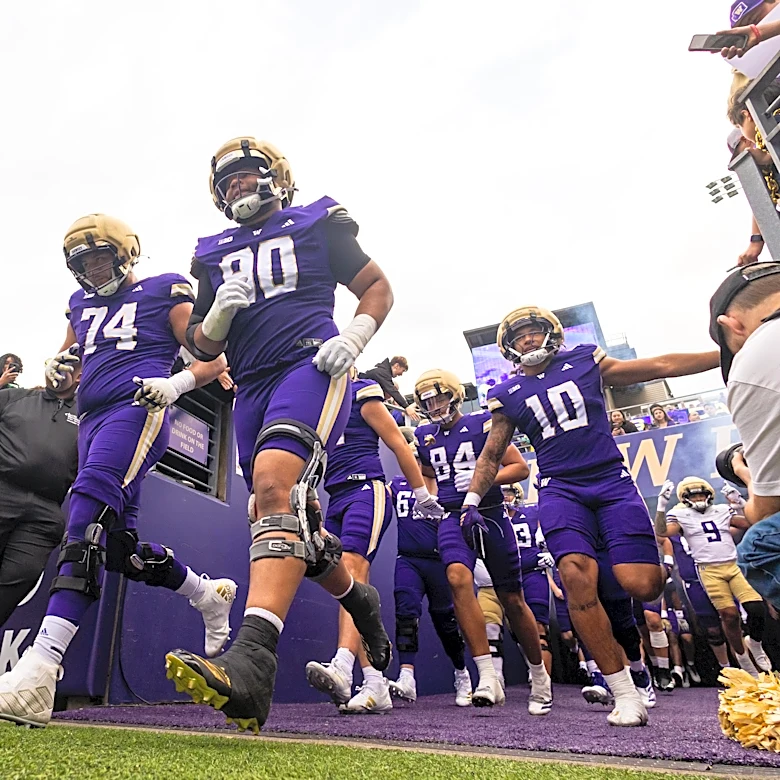
College football's deepest power lies in its role as a keeper of tradition. These are not just games; they are rituals passed down through generations. The experience begins hours, sometimes days, before kickoff with the time-honored tradition of tailgating, where parking lots transform into sprawling community gatherings. The air fills with the smell of grills, the sound of marching bands practicing fight songs, and the easy camaraderie of fans bonding over a shared passion. Each school has its own unique customs, from Clemson's players running down “The Hill” to Texas A&M's “12th Man” standing for the entire game, that are steeped in history and meaning. These rituals connect the past with the present, allowing alumni to return and feel an unbroken link to their youth while new students are initiated into a history larger than themselves. This creates a powerful and lasting emotional connection that keeps people tethered to the town and the university long after they've left.
More Than Just a Game
Ultimately, college football's role as the pride of these towns comes from its ability to set the rhythm of life. The off-season is a time of anticipation and debate. The fall brings a weekly cycle of hope, tension, and release that dictates the collective mood. Weddings and other major life events are often planned around the football schedule. Historic rivalries, like Alabama vs. Auburn or Michigan vs. Ohio State, become state-wide obsessions that define bragging rights for an entire year. In this environment, football is not just entertainment; it's a cultural institution that gives the year its shape and the town its character. It provides a narrative, a common language, and a recurring opportunity for the community to come together and celebrate something that feels uniquely theirs.