



Running Backs: The Brutal Cliff
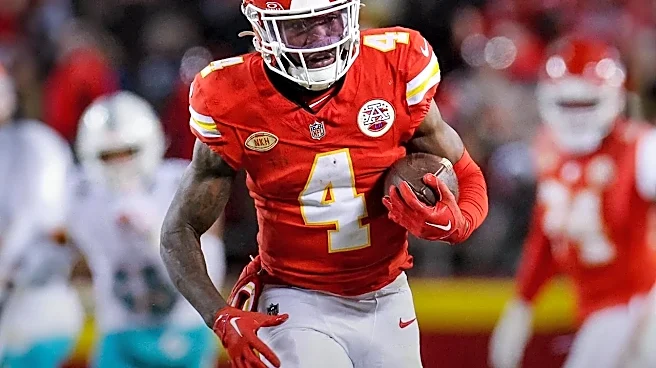
Let’s start with the harshest reality in fantasy sports: the running back age cliff. The career of an NFL running back is notoriously short and violent, and the data on their fantasy production reflects this truth with brutal clarity. The peak for this position
comes fast and furious. Most top-tier RB seasons are produced by players between the ages of 22 and 26. Studies show the average age for a peak RB1 season is around 25. This is a player’s athletic zenith, where explosive ability and the resilience to handle a massive workload combine for league-winning potential. The problem isn't just that the peak is early; it's that the decline is a cliff, not a gentle slope. By age 27, and certainly by 28, the warning lights are flashing bright red. While outliers exist, the vast majority of running backs see a significant, often catastrophic, drop in efficiency and production right around this time. The accumulated punishment of thousands of hits takes its toll. For fantasy managers, the takeaway is clear and unforgiving: be extremely wary of investing high draft capital in a running back who is 28 or older. In dynasty leagues, the time to sell a star running back is when he’s 26, not when he’s 28. If you wait, you’re almost always too late.
Wide Receivers: A Longer Prime and Gentler Slope
If running backs are a flash in the pan, wide receivers are a slow burn. Their aging curve is far more forgiving, offering a much wider window of elite production. Unlike RBs, who rely on the fleeting gifts of explosive athleticism and durability, receivers can offset a slight physical decline with refined route-running, superior technique, and the trust of their quarterback. The data shows that while young wideouts can be instant stars, the position’s true prime often arrives later. The peak window for a receiver generally falls between the ages of 23 and 29, with many producing their best seasons in their late 20s. The average peak age for a high-end fantasy receiver is around 27 years old. More importantly, the decline is a gradual descent, not a cliff dive. A 30-year-old receiver is not the red flag that a 30-year-old running back is. Elite receivers often remain highly productive into their early 30s, becoming savvy veterans who know how to get open. This creates a massive opportunity for savvy fantasy managers. While others in your league might shy away from a 31-year-old receiver, you can often draft a reliable, high-volume pass-catcher at a significant discount. The strategy is to invest in young, ascending receivers but not to be afraid of the established veterans who are still performing at a high level.
Tight Ends: The Late-Blooming Outliers
Tight ends follow a career path all their own. The position is notoriously difficult for rookies to master, requiring a unique blend of blocking technique and receiving skill. As a result, tight ends often take several years to develop into reliable fantasy assets. It is rare for a tight end to produce a top-tier season before age 24. The conventional wisdom is that patience is required, and the numbers back this up. The peak for the position tends to arrive in the mid-to-late 20s, with an average peak age around 27. However, the truly elite, game-changing tight ends can defy traditional aging curves entirely. Players like Travis Kelce, Tony Gonzalez, and Antonio Gates have shown an ability to remain top-tier fantasy options well into their 30s. This is because their value is often tied to their role as massive red-zone targets and security blankets for their quarterbacks—skills that don't fade as quickly as a running back's speed. The fantasy advice here is twofold: First, don't give up on a talented young tight end after just a season or two. Second, don't write off an elite, proven tight end simply because he’s on the wrong side of 30. The drop-off for the best of the best often comes much later than it does at any other skill position.