

The Frustration is Real
Every fantasy manager knows the pain of the tight end wasteland. Outside of a few elite, every-down studs, the position is a weekly coin flip. You draft a player based on their athletic potential or their team's high-powered offense, only to watch them
spend Sunday afternoon blocking on pass plays, earning you a goose egg. The problem is that the 'tight end' label covers two distinct jobs: a primary receiver and a primary blocker. A player's snap count can be misleading if most of those snaps are spent in pass protection. To win your league, you need to know which job your tight end is actually being paid to do.
The Tell: It's All About Alignment
The secret isn't in a player’s stance or a quarterback's signal. The most powerful tell for a tight end's fantasy potential is simply where he lines up before the snap. This single piece of information, his alignment, speaks volumes about his likely role on the play. A tight end can line up in three primary spots: 'inline' next to an offensive tackle, in the 'slot' between the tackle and the outermost receiver, or 'out wide' like a traditional wide receiver. Understanding the difference between these alignments is the key to separating the fantasy stars from the fantasy duds.
Inline vs. Slot: Routes vs. Blocking
Here's the core of the strategy: A tight end lined up inline, in the traditional spot, has a much higher probability of being asked to block the pass rush. While they can still run routes from this position, their blocking responsibilities are significant. Conversely, a tight end who is split out into the slot or wide is almost never there to block. His job is to run a route and get open. Therefore, a tight end's fantasy value is directly correlated to the percentage of snaps he takes from the slot or out wide. More snaps away from the offensive line mean more routes run, and more routes run mean more opportunities for the targets, receptions, and touchdowns that win fantasy matchups.
From Theory to Practice
So how do you use this? You need to look beyond the basic box score. Advanced stats like 'route participation' and alignment percentages are your new best friends. Route participation measures the percentage of a team's pass plays on which a player ran a route. A rate above 70% is a great sign. Alignment data, available on advanced analytics sites, shows you exactly where a player is lining up. For example, a player like the Bears' Colston Loveland saw his effectiveness jump when used in the slot. As a rookie, he was targeted on a higher percentage of his routes and gained more yards per route run when aligned in the slot compared to when he was inline. This is the kind of data that uncovers true usage and breakout potential.
Applying the Knowledge in 2026
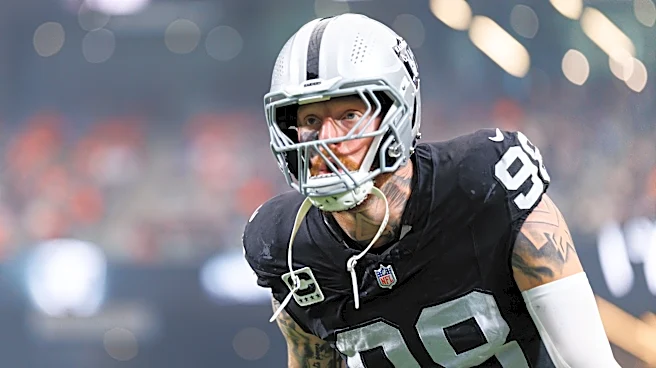
Look at the top tier of tight ends for 2026, and you'll see this principle in action. Players like Arizona's Trey McBride and Las Vegas's Brock Bowers are considered the elite options because they function as focal points of their passing games, running a full complement of routes from various alignments. Their value comes from their consistent usage as receivers, not blockers. When scouting for sleepers or waiver wire pickups, ignore the raw snap counts and dig into their alignment data. Find the tight end whose team is increasingly splitting him out into the slot. He might be the next big thing, while the guy who plays 90% of snaps but is always tethered to the offensive tackle is likely to disappoint.