

The Champion: Who Is Islam Makhachev?
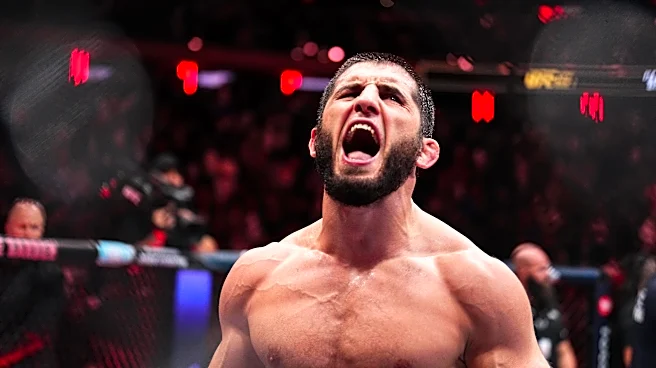
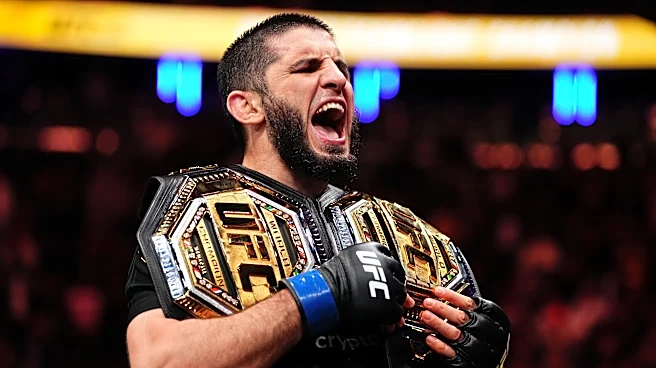
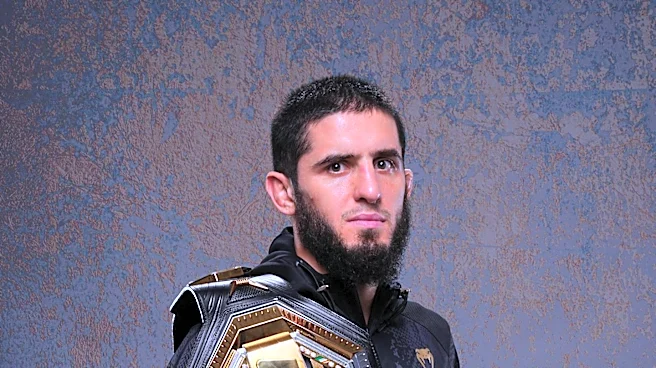
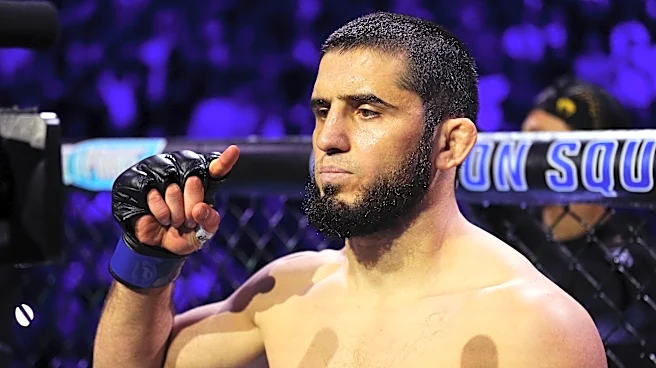
Islam Makhachev is the UFC Welterweight Champion, and to put it simply, he’s a problem few have been able to solve. Hailing from the Russian republic of Dagestan, a region renowned for producing elite combat athletes, Makhachev’s style is built on a foundation
of Sambo—a Soviet martial art focused on grappling. He was a long-time training partner of the legendary undefeated champion Khabib Nurmagomedov, and he fights with a similar, suffocating pressure. With a stellar professional record, Makhachev doesn’t just beat opponents; he systematically dismantles them. He closes distance, drags them into his world on the mat, and methodically works for a submission, making world-class fighters look like amateurs. His striking has also evolved to become a dangerous weapon, but his primary path to victory is undeniable: complete and total ground dominance.
The Challenger: Who is Ian Machado Garry?
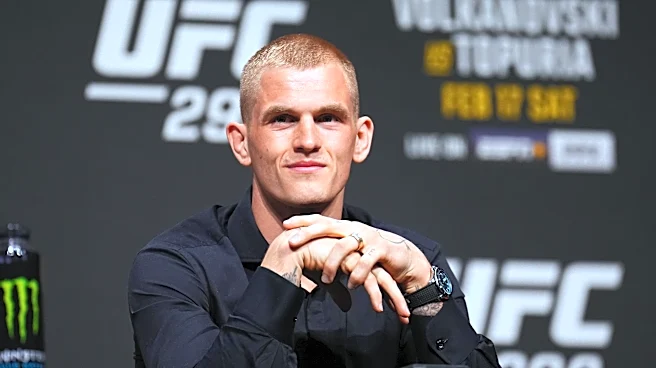
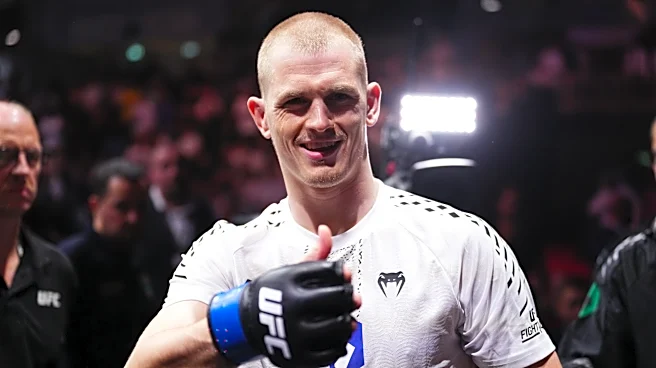
The headline opponent is Ian Machado Garry, a top contender from Ireland known by the nickname "The Future". While the original headline simplified his name, Machado Garry represents a classic and compelling challenge for a grappler like Makhachev. He is primarily a striker, known for his precision, movement, and confidence on the feet. With a background in boxing and a sharp kicking game, his goal will be the exact opposite of Makhachev's. He needs to maintain distance, use his footwork to stay out of the champion's grasp, and punish him with strikes whenever he tries to close in. His recent record includes a notable loss to another elite grappler, which makes this title shot a pivotal test of his evolution as a complete mixed martial artist.
The Clash of Styles: Grappling vs. Striking
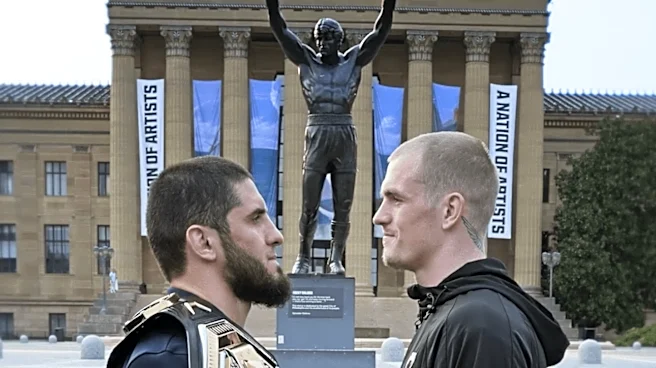
This fight is a perfect showcase of the most fundamental question in MMA: can the striker keep the fight standing, or will the grappler get it to the ground? Makhachev wants to turn the fight into a wrestling match. He’ll use strikes to set up his takedowns, clinch against the fence, and exhaust Garry by forcing him to carry his weight. Once on the mat, Makhachev will look to advance position, control his opponent's posture, and hunt for a submission like a kimura or an arm-triangle choke. Garry, on the other hand, must fight a perfect defensive battle. He needs to use his jab and lateral movement to keep Makhachev at bay. Every time the champion lunges forward, Garry must either counter with a clean punch or evade and reset. If he gets taken down, his ability to get back to his feet immediately will be the difference between staying in the fight and becoming another statistic on Makhachev's record.
What to Watch For on Fight Night
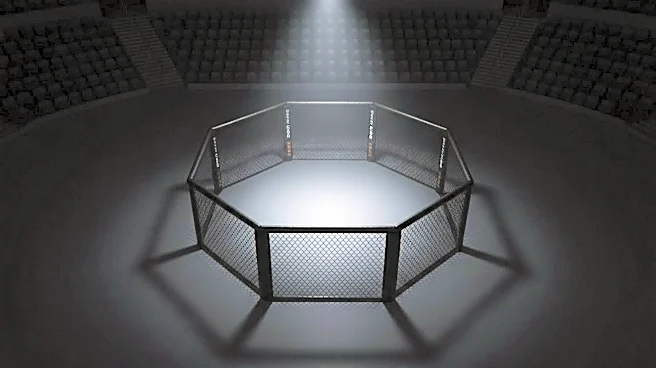
For the new fan, here are three things to focus on. First, watch the feet. Can Garry stay light and mobile, circling away from Makhachev’s power side, or does he get cornered against the cage? The battle for octagon control will be huge. Second, pay attention to the first takedown attempt. Does Makhachev get it easily? Does Garry defend it successfully? The energy and confidence of both fighters will shift dramatically based on that initial grappling exchange. Finally, if the fight does hit the mat, watch how Makhachev controls his opponents. He doesn't just hold them down; he uses a system of control on the wrists and hips that neutralizes their ability to escape or fight back, a signature of the Dagestani style.
It’s More Than Just One Fight
A UFC pay-per-view is an entire evening of entertainment. UFC 330 features another championship bout in the co-main event, as Mackenzie Dern defends her women's strawweight title against Gillian Robertson. The undercard is packed with fights featuring up-and-coming prospects and established veterans across different weight classes. Watching the preliminary fights is a great way to see a variety of martial arts styles and potentially spot the next big star in the sport before they become a household name. Arriving for the whole show provides a much richer context for the spectacle of the main event.