



The Undeniable Allure of the Stack
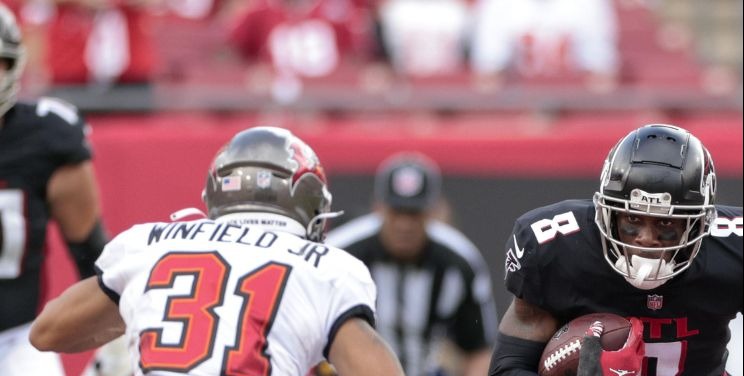
First, let's give credit where it's due. Stacking—pairing a quarterback with one or more of his pass-catchers—is a powerful tool for a simple reason: it harnesses correlation to maximize weekly upside. When a quarterback throws a touchdown to his receiver,
a stacked roster gets points for the pass, the reception, the yards, and the score, all on a single play. In Best Ball, where your optimal lineup is automatically set each week, these explosive "spike weeks" are the key to advancing in large-field tournaments. A perfectly timed connection, like the legendary Joe Burrow to Ja'Marr Chase explosion in the 2021 fantasy finals, can single-handedly win you a championship. This potential for a massive, correlated scoring boom is why stacking became the default strategy for so many managers. The logic is sound: you're reducing the number of things that need to go right for your team to have a huge week.
When 'Mandatory' Becomes a Mistake
The problem arises when stacking shifts from a smart strategic tool to a rigid, unbreakable rule. The directive to "always stack" often leads to poor decision-making. The most common error is reaching for a player well ahead of their Average Draft Position (ADP) just to complete a stack. Forcing a stack means you might pass on a far superior player at another position who fell to you at a great value. Sacrificing overall player value for the sake of correlation is a losing proposition in the long run. Furthermore, over-committing to one team's offense makes your fantasy roster incredibly fragile. If that team's quarterback gets injured, the offensive line struggles, or the entire offense simply underperforms preseason expectations, your season could be over before it starts. You've put too many eggs in one basket, and if that basket drops, your whole roster crumbles.
Value and Roster Construction Trump All
A better way to think of stacking is as a tiebreaker, not a foundation. The true cornerstones of a winning Best Ball roster are value-based drafting and sound roster construction. Roster construction refers to how many players you draft at each position (e.g., 2 QBs, 6 RBs, 9 WRs, 3 TEs). Getting this structure right, based on how you spend your early-round draft capital, provides a resilience that forced stacks often lack. For example, if you draft an elite, early-round quarterback, you can likely get by with just two QBs total, freeing up a roster spot for a high-upside player elsewhere. The goal isn't just to collect teammates; it's to build the best possible team. A roster full of players drafted at or below their ADP, who have standalone potential to outperform their cost, will often beat a team that reached on multiple players to complete a 'perfect' stack. Value is the engine of your team; correlation is just the turbocharger you use when the opportunity is right.
A Smarter, More Flexible Approach
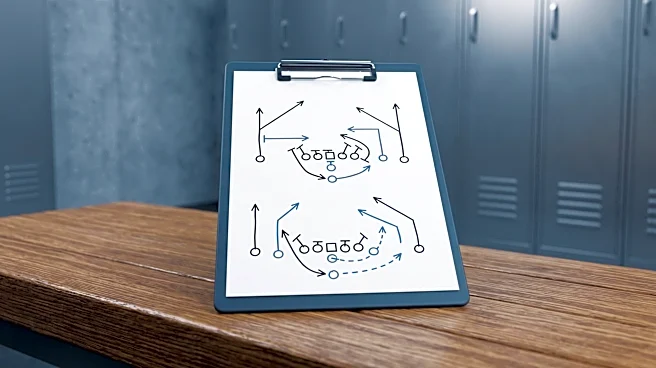
So, how should you approach stacking? Be opportunistic, not dogmatic. Let the draft come to you. If you select a top-tier wide receiver in the first round and his quarterback is available at a reasonable price a few rounds later, by all means, complete the stack. But don't be afraid to pivot. Maybe a different quarterback with a higher ceiling has fallen. Perhaps the better value is to build a "game stack" by pairing your receiver with a player from their Week 17 opponent's team, hoping for a playoff-week shootout. Or maybe the best move is to simply ignore stacking in that spot and draft the best available running back. Winning Best Ball requires flexibility. You win by building a resilient roster that gives you multiple paths to victory. Stacking is one of those paths, but it's not the only one. The sharpest drafters understand that stacking is a powerful weapon, but the one rule that is truly mandatory is to not be afraid to put it down.