




An Unprecedented Viewership Spike
The numbers surrounding WNBA All-Star Weekend have been completely rewritten. While the 2026 game, which Clark missed due to injury, saw a dip from the previous year's record-breaking high, it still posted historic figures. The game averaged 2.19 million
viewers, making it the second-most-watched All-Star Game in league history. To put that in perspective, this number is a staggering 158% increase from the last All-Star Game that didn't feature Clark just two years prior. Even the skills competition felt the surge; viewership for the 3-Point Contest and Skills Challenge has previously seen triple-digit percentage increases when Clark is involved. This isn't just a small bump; it's a fundamental shift in who is tuning in and how many are watching, proving that Clark’s gravity pulls in viewers whether she’s on the court or not.
The Scene in the Host City
The “Clark Effect” isn’t limited to television screens. On the ground in host cities like Phoenix and Chicago, her impact has been tangible and immediate. For the 2025 All-Star Game in Indianapolis, the announcement that she would not be playing due to an injury caused the get-in ticket price to plummet by 48%, from $121 to $64. This demonstrates how directly her participation is tied to live attendance demand. The fan festivals surrounding the game, like WNBA Live, have expanded to three-day events to accommodate the record demand for fan experiences, player meet-and-greets, and exclusive merchandise drops. Brands like AT&T have noted the “tremendous growth” in activations compared to just a few years ago, turning the weekend into a major cultural and commercial event.
The Merchandise Gold Rush
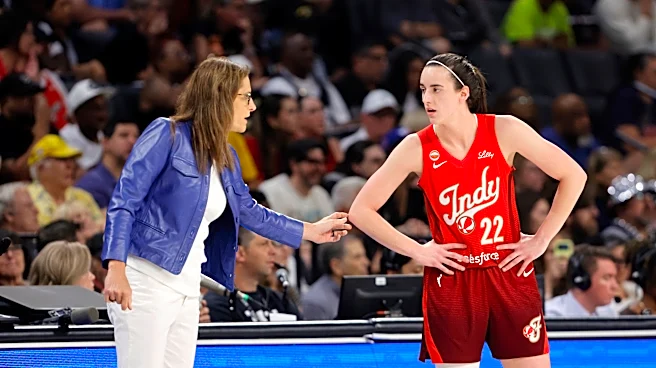
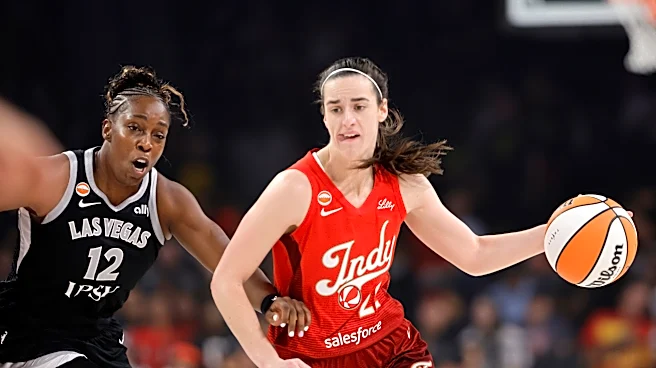
Perhaps the most visible sign of Clark’s influence is the frenzy for her merchandise. Following her No. 1 draft pick in 2024, her Indiana Fever jersey sold out in under an hour. Her 2026 All-Star jersey was also a hot commodity, available at major retailers and promoted heavily ahead of the event. According to data from Fanatics, Clark’s jersey has become the second-highest seller in all of basketball—NBA included—trailing only Stephen Curry and outselling icons like LeBron James and Michael Jordan. This isn't just about one player's popularity; it's fueling a league-wide phenomenon. WNBA merchandise sales have seen year-over-year increases of over 500%, driven by the massive new audience Clark brought to the game.
A Rising Tide Lifts All Boats
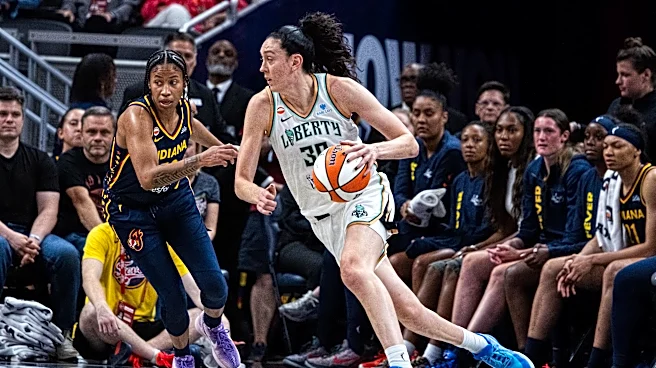
While Clark is the main draw, her stardom is creating a halo effect across the entire league. Even when she was out with an injury, Indiana Fever games still posted massive ratings, often surpassing 1.5 million viewers. Games not involving the Fever are also seeing significant ratings growth. This indicates that new fans who tuned in for Clark are staying for the league, discovering other stars like A'ja Wilson, Angel Reese, and Paige Bueckers. The WNBA's marketing has smartly leaned into this, launching campaigns that feature a wider array of star players to help new fans get to know the full depth of talent in the league. This strategy is crucial for turning a momentary spike into sustainable, long-term growth.
What This Means for the WNBA's Future
Caitlin Clark’s influence on the All-Star Weekend is a microcosm of her broader impact on the WNBA. She has single-handedly accelerated the league's growth trajectory, bringing with her millions of fans from her historic college career. Economists have estimated her financial impact in the tens of millions, accounting for a significant percentage of the league's total economic activity through attendance, media, and merchandise. This surge in popularity and revenue is coming at a critical time, as the league expands and negotiates a new, more lucrative media rights deal. The challenge and opportunity for the WNBA is to convert this star-powered moment into a new, higher baseline of fan engagement and commercial success for years to come.