






A Humble Fundraiser
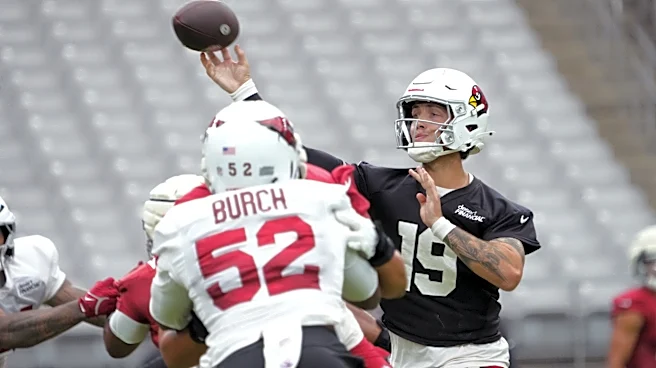
The very first Hall of Fame Game, played on August 11, 1962, wasn't designed as the kickoff to the NFL season. It was a fundraiser. The game, which saw the St. Louis Cardinals and New York Giants play to a 21-21 tie, was held to raise money for the construction
of the Pro Football Hall of Fame itself. The groundbreaking ceremony took place the same day. The Hall of Fame opened to the public a year later in 1963. For years, the experience was relatively modest: a game that took place on the same weekend as the induction ceremony, which was held on the steps of the Hall of Fame building for decades. It was a meaningful but comparatively quiet affair, a local celebration for a league that had not yet become the cultural and commercial juggernaut it is today.
The Festival Takes Shape
Through the 1970s and into the 90s, the event began to expand beyond just a game and a ceremony. The Canton community built a festival around it, adding traditions that remain central to the experience today. The Canton Repository Grand Parade, for instance, evolved into a massive spectacle drawing hundreds of thousands of spectators to downtown Canton to see the new inductees alongside giant helium balloons and floats. The Enshrinement ceremony itself became a bigger production, eventually moving from the Hall's front steps back into the stadium in 2002 to accommodate larger crowds. This period marked the shift from a local event to a regional pilgrimage for serious football fans, a place to celebrate the game's history in a more festive atmosphere.
The Modern Spectacle
Today, the experience is unrecognizable from its simple origins. What was once a weekend is now "Enshrinement Week," a multi-day extravaganza that kicks off the entire NFL season. The event has become a massive commercial and media enterprise, with an estimated economic impact of over $40 million for the local area and nearly $80 million for the state of Ohio. The schedule for 2026 is packed with events like the Enshrinees' Gold Jacket Dinner, a Concert for Legends, autograph sessions, and a sprawling, free "Sugardale Fan Fest" with live music and interactive exhibits. The game itself, now played on a Thursday night to kick off the weekend, often features teams with prominent players being inducted that year. This modern version is a full-blown entertainment experience, complete with VIP packages and nationally televised events on major networks like ESPN and NFL Network.
Building a Football Destination
The ultimate expression of this evolution is the Hall of Fame Village, a massive, multi-phase development project transforming the campus around the museum. This $600 million project includes the modernized Tom Benson Hall of Fame Stadium, a hotel, an indoor waterpark, and other sports and entertainment venues. While facing financial hurdles, the project signals a monumental ambition: to turn Canton into a year-round, multi-day tourist destination centered on football. The Village represents the final step in the game's journey, from a one-off fundraiser to the anchor of a permanent football theme park. It’s no longer just about celebrating the past; it’s about creating an immersive, ongoing tribute to America’s most popular sport.