



Stranger Things is coming to a close! Indeed, the series that has been a part of our lives for nearly ten years is reaching its conclusion. That feeling
of loss is uncommon. Can a show captivate you so profoundly that it feels like a part of you? Stranger Things certainly did. As one of Netflix's flagship series, it played a crucial role in establishing the streaming platform's global presence and even garnered accolades for its innovative concept. So now, as I reiterate that Stranger Things is concluding, it stings a bit more. The reason goes beyond mere attachment; it’s much deeper. Stranger Things Season 5, episode 8, titled The Rightside Up, assures us that everything will conclude positively. Yet, the contemplation of the cost, the sacrifices, the tears, and a wave of personal nostalgia hits hard even before the finale airs.
About belonging and discovering one's abilities
To be frank, I was encouraged by friends to start watching Stranger Things long ago. The concept of a group of young misfits driving the entire narrative and the story being primarily told from their perspective didn’t intrigue me. I come from a generation of comic books filled with larger-than-life heroes who can vanquish demons and villains with a single strike. How could a few kids save the entire town of Hawkins? However, just a few episodes into Season 1, the Duffer Brothers shattered my preconceptions. My entire belief system crumbled because what I initially dismissed was precisely the show's strength: a band of schoolchildren rising as unsung champions.

Not for children, featuring children
The Duffer Brothers took considerable time to ensure their vision for Stranger Things (originally titled Montauk) gained traction. When Stranger Things finally premiered on Netflix in 2016, it gradually attracted an audience until it exploded in popularity. What resonated was the show’s ability to break through the noise and reimagine a genre typically reserved for adults. This was a series NOT aimed at children, yet centered around them! It was a supernatural horror that didn’t even belong to the contemporary era. Nevertheless, we cinephiles crave genre-bending narratives.

Pop-culture galore!
Stranger Things can ignite nostalgia in any pop-culture enthusiast from the 1980s and 90s. It strikes all the right nostalgic notes. The elements within the show prompt us to reflect on the past. From vibrant costumes to outrageous hairstyles, and from cassette players to skateboards, this series is packed with everything we’ve experienced or witnessed our parents do.
When the pandemic struck, Stranger Things was launching its third season. The stay-at-home orders became a significant advantage in attracting new viewers. Streaming services surged, and Netflix subscriptions reached every household. While digital platforms thrived, shows like Stranger Things cultivated a dedicated fanbase.

Stranger Things connection
So, what made Stranger Things resonate so deeply? Was it the visuals, the performances, or the fundamental premise? Yes, there was something captivating about the overall color grading and tone of the show, but I would argue it was more about the purity of their friendships and the small-town atmosphere that drew me in. These 11-12 year old nerds, along with some teenagers (siblings), grappling with their place in the world while confronting demonic forces to prove their worth, carried a profound undertone.
On the surface, the story was poignant. A young boy goes missing, prompting the entire town to search for him. However, the implications extended beyond the unauthorized experiments of a science lab; it also led us to an alternate dimension, the Upside Down. We encountered Demogorgons, the Mind Flayer, and ultimately Vecna.

Cast and audience grew up together
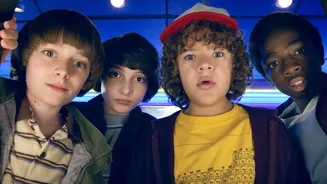
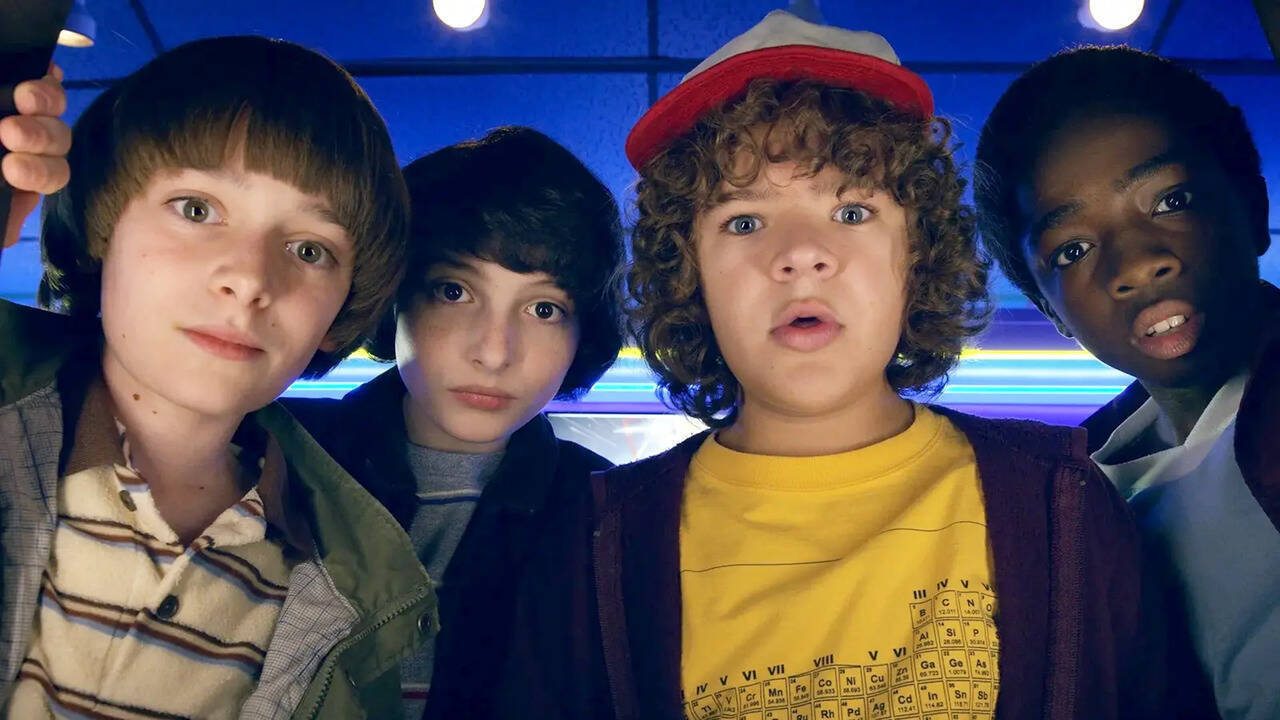
The young cast, including Millie Bobby Brown, Finn Wolfhard, Noah Schnapp, Gaten Matarazzo, and Caleb McLaughlin, were all around ten years old and hadn’t yet hit puberty. Meanwhile, we, the audience, were likely in our twenties or older. Over the course of five seasons and nine years, the actors matured into young adults, and so did we. In fact, many of us have even started to go grey. But just as the cast claims they grew up on set, we grew up alongside them. The show's impact was so significant that it prompted Netflix to continue renewing it. It even elevated Steve Harrington (Joe Keery) to a main cast member, with fans consistently hoping for his well-being season after season. How could one not feel a personal connection?

A piece of our formative years
Today, the first season feels like a distant memory, akin to a crisp autumn leaf drifting from a branch. The lingering childlike spirit still yearns for the past. It stirs our cultural and emotional sensibilities. And then you ponder what Will Byers must have experienced on that dark November night when he vanished. The references to Dungeons & Dragons and Star Wars are treasures to hold onto. Even if the show reaches its cinematic conclusion (whether good, bad, or ugly), we will remember it as a refreshing breeze that once invigorated our senses. Even if it stirred up dust that stung, we chose not to brush it away. Stranger Things entered our lives, and we all grew up around it. Thank you, Duffers!