





What is the story about?
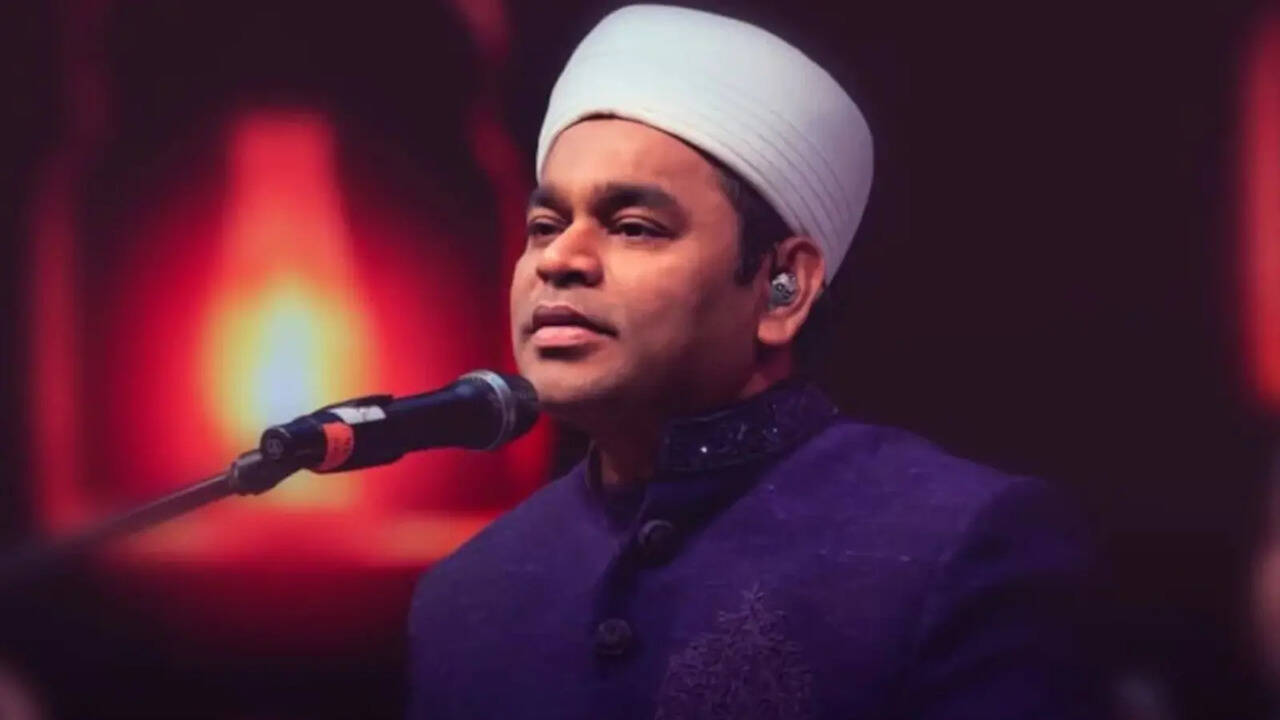
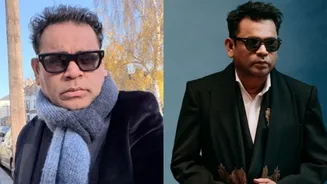
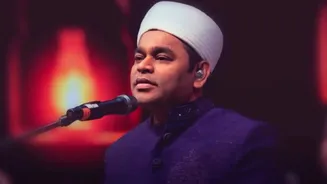
A R Rahman’s recent remarks, claiming bias in the Hindi entertainment sector, have ignited a discussion on communal bias. The Grammy-winning artist, known
for his contributions to numerous Hindi and Tamil films, revealed that he has faced a loss of opportunities, potentially due to communal factors. In a widely shared BBC interview, Rahman, who was originally a Hindu before converting to Islam later in life, explained why he has not pursued more Bollywood projects despite being a prominent figure in the industry. As a music director fluent in Tamil, he discussed the obstacles he encountered before gaining acceptance in ‘North Indian’ households.
A R Rahman - The Outsider
Rahman’s comments about feeling like an outsider prior to his collaboration with Subhash Ghai gained significant attention. The Chhaava composer stated to BBC, “In fact, I was still an outsider with these three (Roja, Bombay, Dil Se..), but Taal became a popular (album). It found its way into the kitchens of everyone, so to speak. Even now, many North Indians still have it ingrained in them because it blends a bit of Punjabi, a bit of Hindi, and a touch of folk music.”

Tamil to Hindi
He continued, “It’s quite challenging for a Tamil individual to communicate in Hindi due to our deep-rooted connections. However, Subhash Ghai advised me, ‘I appreciate your music, but if you wish to stay relevant, learn Hindi.’ I responded, ‘Alright, let me take it a step further and learn Urdu since it’s the foundation of Hindi music from the 1960s and ’70s. Then I ventured into Punjabi, influenced by Sukhwinder Singh when he entered my sphere. The reason I approached Sukhwinder was that I was inquiring, ‘Do you know any singer who can perform and write in Punjabi?’ My friend Brij Bhushan recommended Sukhwinder Singh.”
Communal Bias in Bollywood
Discussing ‘bias within the Hindi film industry’, he remarked, “Perhaps I was unaware of this, maybe it was hidden by fate, but I didn’t experience any of it. Maybe in the last eight years, a shift in power has occurred, and those lacking creativity now hold the reins. It could also be a communal issue… but it hasn’t been overt. It reaches me like whispers that they initially considered you, but the music company opted for their five composers. I think that’s fine; it gives me more time to relax with my family. I’m not actively seeking work. I prefer work to come to me; my dedication should attract opportunities. Whatever I am meant to receive, I will.”
Rahman’s comments regarding the lack of acceptance for Tamilians in the Hindi film industry stirred political debate. Politicians from various factions responded to his statements. While some parties supported the esteemed composer, others expressed contrasting opinions.

A R Rahman on composing Ramayana score
In addition to addressing communal bias in the industry, Rahman discussed his work on the music for Ranbir Kapoor and Yash’s Ramayana: The Introduction. He stated, “I was educated in a Brahmin institution, and each year we studied the Ramayana and Mahabharata, so I am familiar with the narrative. The tale revolves around the virtues of a person, higher ideals, and similar themes. People may debate, but I cherish all those positive aspects - any valuable lessons that can be learned. The prophet has indicated that knowledge is priceless, regardless of its source - be it a king, a beggar, a good deed, or a bad one. One cannot shy away from experiences."
He also added, "I believe we must rise above narrow-mindedness and self-interest. When we elevate ourselves, we radiate that positivity, which is crucial. I take pride in the entire project, as it represents India to the world, filled with love. Hans Zimmer is Jewish, I am Muslim, and the Ramayana is a Hindu (text)."
Bollywood filmmakers have yet to respond to Rahman’s remarks.