








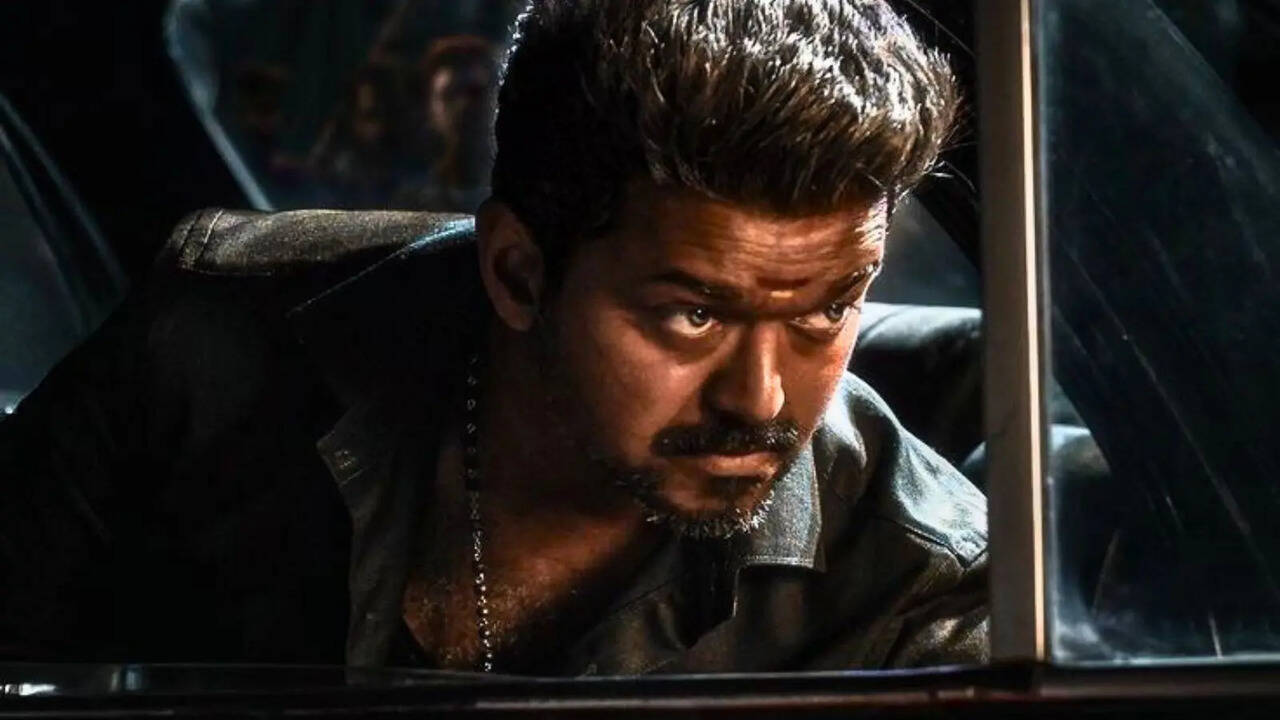
Trouble continues to escalate for Thalapathy Vijay’s Jana Nayagan. In a recent turn of events, Madras High Court has reserved verdict on CBFC appeal against
direction to certify the Vijay Starrer film. But this ruling has also unleashed a series of complications. The relationship between cinema and censorship in India has always been fraught and uneasy—one that tends to resurface whenever politically sensitive or socially challenging films encounter obstacles. The discussion surrounding Vijay’s Jana Nayagan has only added fuel to the long-simmering debate. raises not only concerns about the fate of this specific film but also questions whether India's censorship system is increasingly misaligned with the narratives contemporary filmmakers wish to explore.
Vijay’s Jana Nayagan and the Politics of Perception
A significant issue with Vijay’s Jana Nayagan is the ambiguity surrounding the conflict between the filmmakers and the certification board. The film, which was originally slated for release on January 9, was delayed due to complications at the High Court. Reports indicate that during the certification process, several scenes, dialogues, and interactions in the film sparked issues, leading to a dispute between the creators and the CBFC. Although the specific nature of the grievances was never revealed, they reignited discussions about artistic freedom and the standards applied for certification in mainstream cinema.

What remains evident is that Jana Nayagan has been mostly perceived as a politically resonant film, a situation made more delicate by Vijay’s evolving public image and ambitions as he enters the political arena. Even before viewers could experience the film, it found itself in a familiar precarious position—where cinema, mass influence, and political interpretation intersected. This is not uncharted territory for Tamil cinema or for Vijay. Celebrities with substantial public followings often see their films subjected to intense scrutiny, not just for their content but also for the potential influence they may exert on societal narratives. When the title of the film itself translates to ‘people’s leader’, certification inevitably becomes about interpretations rather than just regulation. The intent behind the film is debated as vigorously as the imagery, and creative expression can feel preemptively restricted.
The CBFC Question: Certification or Control?
The Central Board of Film Certification (CBFC) in India is officially responsible for certifying films rather than censoring them, and the Jana Nayagan situation has reignited criticism. Is the film being assessed solely on its content, or is it being judged based on perceived political implications? More importantly, should cinema be diluted its voice to avoid discomfort? However, on a larger scale, these inquiries resonate well beyond Tamil cinema, reverberating across various industries and languages.

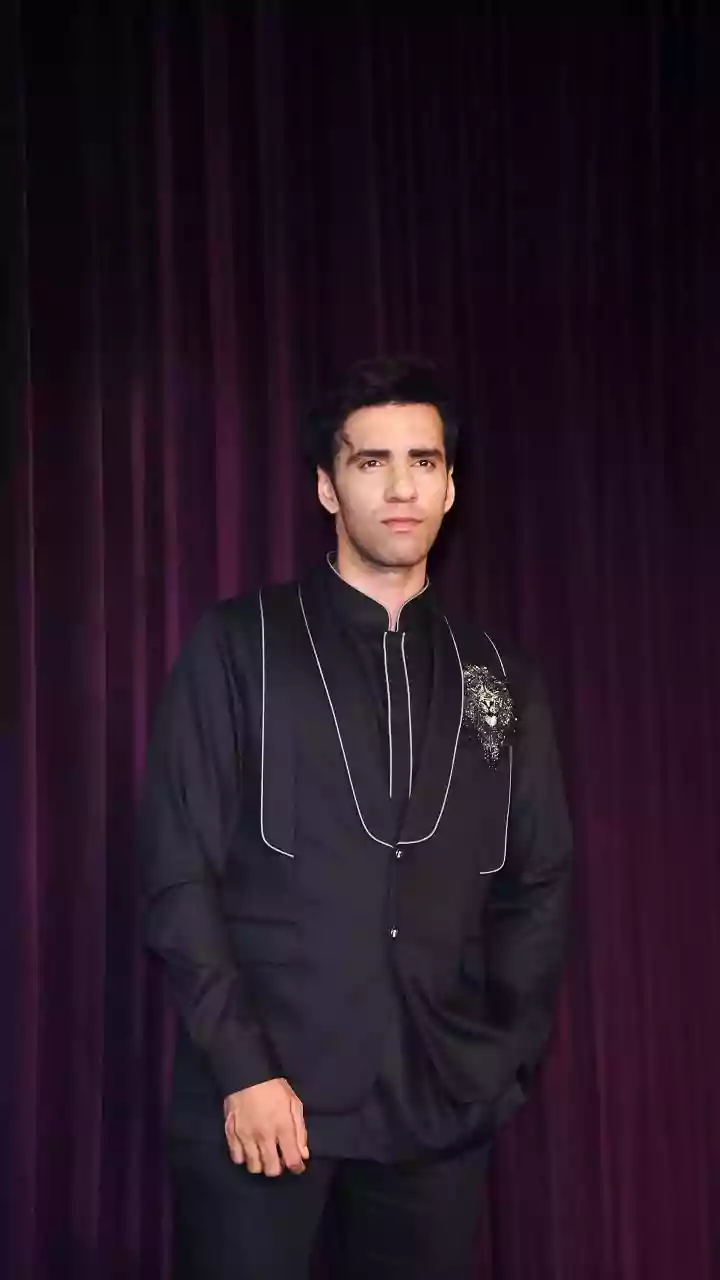
Reflect on the situation with Dhadak 2. The Siddhant Chaturvedi and Triptii Dimri film reportedly faced prolonged certification delay due to its storyline centered around caste dynamics. Even in the absence of overt political commentary, films that address deep-rooted social hierarchies often encounter significant scrutiny. Occasionally, narratives that mirror lived experiences are labeled as “too sensitive” for public consumption.
In Dhadak 2’s case, the hesitation seemed less about visuals and more about conversations.
Phule and how History Isn’t Always Comfortable
Phule serves as another example, perhaps. By revisiting the legacy of social reformers Jyotirao and Savitribai Phule, the film ventured into ideological territory that remains politically charged today. The CBFC requested filmmakers to alter or remove several scenes and terms after facing objections from certain Brahmin organizations in Maharashtra. Objections and requested cuts led to Phule's release delay from April 11, 2025, to April 25 of the same year.

Santosh and Certification Woes
Consider Santosh - a more subdued, intimate film. The 2024 police procedural crime drama by Sandhya Suri reportedly faced challenges despite its understated storytelling. Films like Santosh underline how censorship isn’t only about spectacle or controversy. Sometimes, it’s about the artistic tone. Perhaps it involves a reluctance to simplify intricate realities and offer moral conclusions that are straightforward. At times, the obstacles to certification feel less like regulation and more like resistance.

Jana Nayagan and Others
When viewed collectively, Jana Nayagan, Dhadak 2, Phule and Santosh perhaps hint at a pattern rather than isolated incidents. Films that challenge conventional societal themes are increasingly finding themselves caught in certification disputes. What stands out is that this trend transcends scale and stardom. Whether it’s a major pan-India star project or a modest independent film, the friction remains consistent. The core issue is discomfort.

Audiences have Changed, BUT
In many respects, the Indian audience has matured. They are more informed, exposed, and willing to engage with complex narratives. However, certification systems often seem anchored in an outdated mindset—one that presumes audiences require protection rather than context. Excessive caution ultimately shapes the creative direction of the industry. For stars like Vijay, whose influence extends far beyond the screen, the stakes are even higher. Jana Nayagan’s certification woes highlight how political reading can overshadow artistic intent and in a sense, transforming cinema into a battleground before it even reaches the audience.
So, does Jana Nayagan restart the cinema and censorship debate? Well, in all honesty, perhaps the debate never ended.