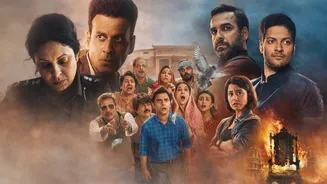








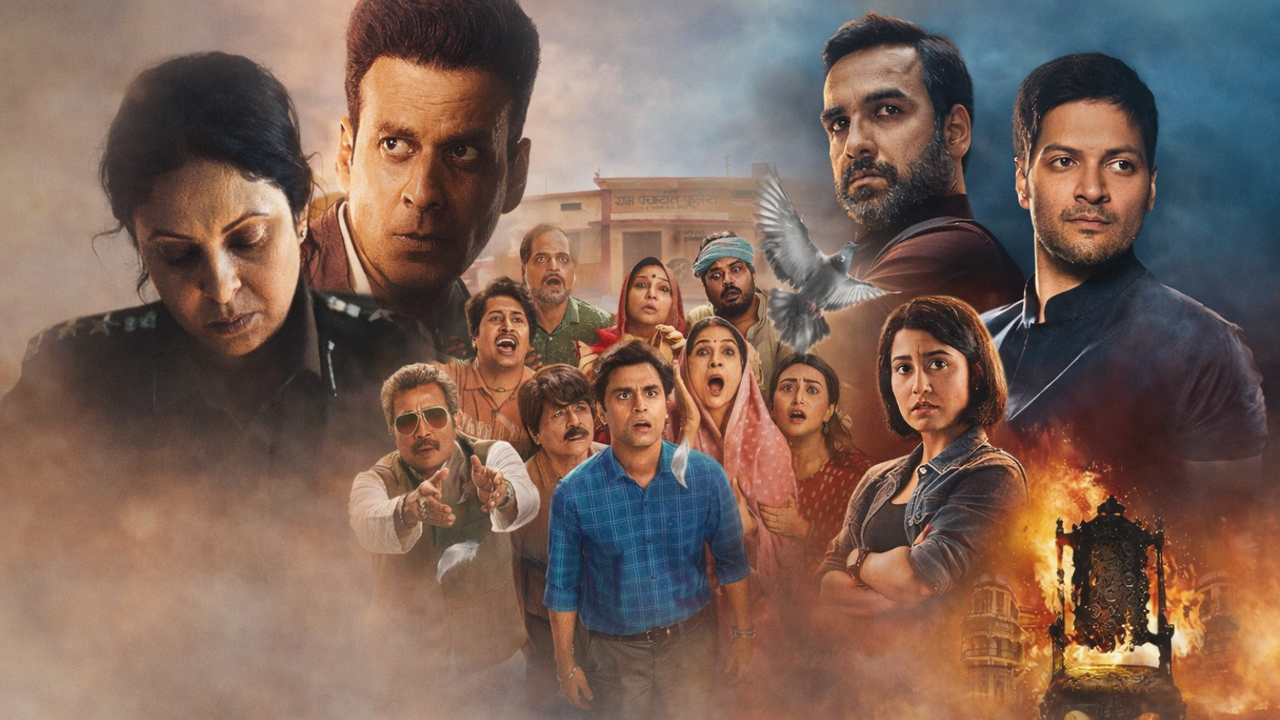
Indian OTT once captivated audiences with a disruptive energy that felt genuinely transformative. Sacred Games and Mirzapur emerged as cultural phenomena,
reshaping the landscape of long-form Indian storytelling. Following this, titles like Panchayat and Kota Factory presented more subdued, relatable narratives that resonated deeply. Then came Scam 1992, The Family Man, Criminal Justice, Delhi Crime, and Farzi, each elevating scale, craftsmanship, and ambition. For a fleeting moment, there were genuine discussions about OTT impacting the theatrical business and altering audience behaviors permanently. However, that momentum has since diminished, with only a handful of truly remarkable shows surfacing in recent times. The initial OTT surge thrived on its boldness. Platforms were eager to support narratives that mainstream cinema had either overlooked or diluted. Creators were afforded the freedom to experiment with tone, language, and pacing, free from the pressures of box office performance on opening day. Audiences, eager for fresh content, responded with enthusiasm and loyalty. Additionally, the novelty of OTT played a significant role; viewers were still reveling in the excitement of binge-watching and high-quality storytelling from the comfort of their homes.
Decline of Indian OTT
As platforms expanded, so did the expectations and budgets. Success stories established templates that everyone sought to emulate. Crime thrillers proliferated, small-town dramas carved out their own niche, and 'inspired by true events' became a popular marketing strategy. While production quality improved, the element of surprise began to wane. What was once innovative gradually became commonplace, and familiarity seldom creates a cultural phenomenon.
Another significant change was the evolution of audience behavior. Viewers became more discerning, navigating multiple platforms and global content. The standards for engagement rose dramatically, while patience dwindled. Shows were no longer evaluated solely against Indian counterparts but also against international series debuting in the same timeframe. In that competitive environment, simply being good was insufficient; a show needed to feel urgent, unique, and worthy of discussion to truly stand out.
Excess of Sequels
Sequels were once indicative of success, but they have increasingly turned into a fallback option. Platforms favor established intellectual properties because they come with pre-existing recognition and reduced marketing risks. However, subsequent seasons often struggle to recapture the magic that made the original appealing. Characters stagnate, conflicts become drawn out, and storytelling shifts from inspired to merely functional.
Several well-known series like Panchayat, Delhi Crime, Criminal Justice, and Mismatched have extended beyond their natural conclusion. Instead of wrapping up with a significant impact, they persist because the viewership numbers still support it. This strategy keeps subscribers engaged in the short term but rarely generates the thrill of a new discovery. The emotional connection of viewers shifts to routine consumption rather than eager anticipation.

The prevalence of sequels also limits opportunities for new voices. Emerging creators find it challenging to break through when platform lineups are saturated with continuations. Over time, this fosters an environment where familiarity is favored over originality, directly impacting the emergence of exceptional shows.
Repetitive Themes
One of the most frequent critiques of Indian OTT today is the thematic redundancy. Numerous shows like Mirzapur, Pataal Lok, Asur, Undekhi, Aarya, and Kohrra revolve around themes of crime, corruption, politics, and dysfunctional families, dominating the scene. While these themes are not inherently flawed, their excessive use has led many shows to resemble one another. Unique premises often give way to predictable story arcs and familiar character archetypes.

Early OTT triumphs felt specific and personal. A small detail or cultural nuance made them unforgettable. In contrast, many recent shows prioritize scale over specificity, resulting in narratives that seem crafted by committee. Risk-averse writing leads to safe choices, steering clear of extremes that might alienate certain audience segments.
This uniformity is also tied to data-driven decision-making. Algorithms highlight successful formulas, but creativity flourishes through intuition and risk-taking. When data dictates content too strictly, it stifles experimentation. The outcome is technically polished shows that seldom evoke strong emotional or cultural responses.
Global Rivalry
Indian OTT no longer exists in a vacuum. International content is now readily available, often launching simultaneously across various markets. Korean dramas like Squid Game and The Glory, European thrillers such as Money Heist and Dark, and American prestige series continue to vie directly for the attention of Indian viewers. This global exposure has transformed tastes and expectations.

International shows often benefit from tighter seasons, clearer visions, and stronger genre commitments. They understand when to conclude and rarely overstay their welcome. In comparison, some Indian series feel prolonged or tonally inconsistent.
Budget alone cannot bridge this divide. While Indian platforms have increased their spending, consistency remains a challenge. Global competition has made viewers less tolerant of mediocrity. To stand out today, Indian shows must provide something culturally rooted yet universally appealing, a balance that is challenging but essential.
Steps to Reverse This Trend
The way forward necessitates a recalibration of priorities rather than pursuing volume. Platforms should support fewer shows but with greater creative conviction. Allowing writers ample time to develop scripts and promoting limited-series formats can help restore narrative clarity. Not every success needs to evolve into a franchise.
Investing in new creators is equally crucial. Fresh perspectives often emerge from outside established circles. Regional narratives, unexplored professions, and unconventional genres can reintroduce novelty. Trusting creators to share specific stories, even if they appear niche, can lead to broader resonance.
Moreover, OTT must remember what initially made it powerful - freedom. The freedom to take risks, to conclude stories decisively, and to surprise audiences. Exceptional shows are rarely produced through formulas. They arise when platforms allow originality to thrive.
Glimmer of Hope
Not all is lost for Indian OTT, as a few recent releases have subtly highlighted this. Aryan Khan's The Ba***ds Of Bollywood distinguished itself by daring to critique the industry from within, employing satire and sharp character development instead of relying on familiar crime tropes. Black Warrant, on the other hand, demonstrated how a procedural can still feel innovative when anchored in thorough research and disciplined storytelling. Neither relied solely on scale or shock value; both emphasized clarity of purpose, reminding viewers that originality still finds its place when the writing is strong.

Most importantly, these shows hinted at a return to creator-driven narratives. They did not attempt to chase trends or prematurely stretch themselves into franchises. Instead, they trusted their concepts and concluded with intention. If platforms continue to support such focused storytelling, Indian OTT can still produce remarkable work. The potential remains; it simply requires consistent creative confidence rather than constant adjustments.