
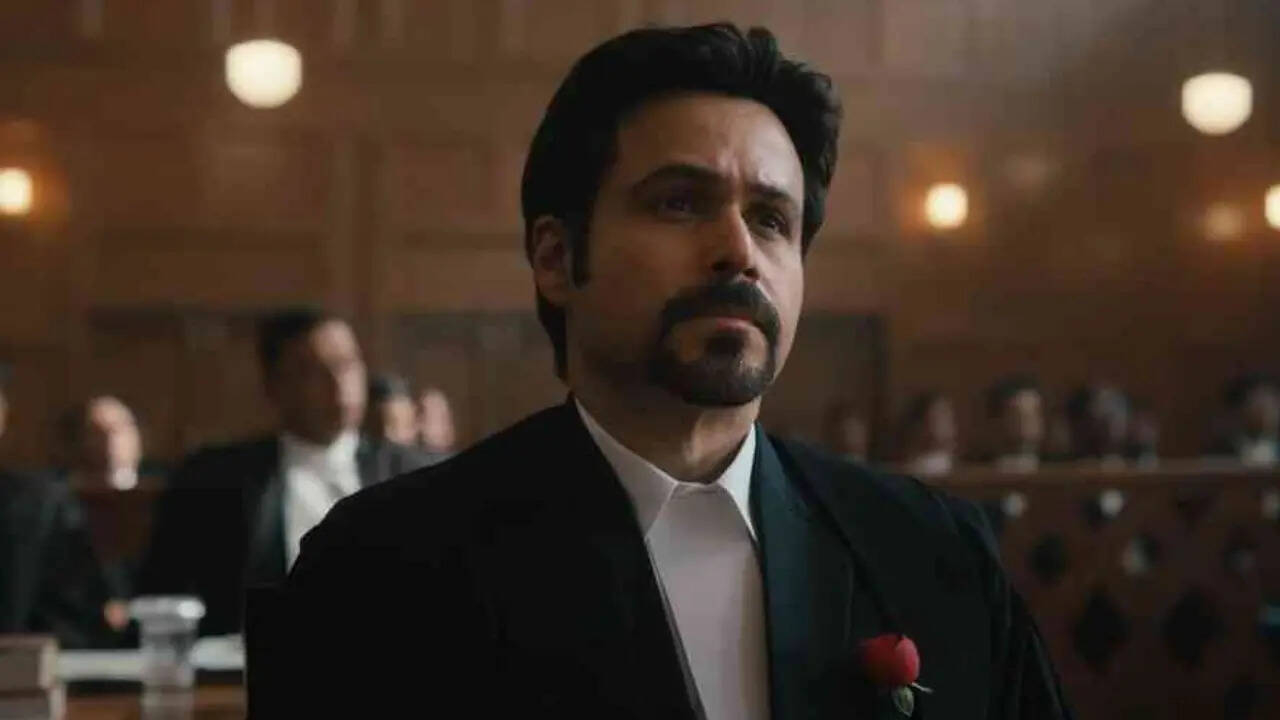
Emraan Hashmi and Yami Gautam’s Haq, one of the most discussed films of 2025, has just debuted on OTT! Inspired by a pivotal ruling from the Honourable
Supreme Court, the film is currently available for streaming on Netflix. Since its launch, it has garnered renewed affection and acclaim from viewers. In light of this, we had a conversation with Emraan about taking on this challenging and layered role. In an exclusive chat, he revealed his journey in embodying this complex character, delving into its emotional nuances, and pushing himself to deliver a captivating and impactful performance on screen. 1. Haq places you in a morally intricate situation – was this the reason you agreed to the script? Absolutely. What’s engaging about portraying characters that lack complexity? What drew me in was that in Haq, my character isn’t clearly defined as right or wrong; he’s influenced by belief, entitlement, insecurity, and the desire to maintain control. The narrative allows the audience to grasp his motivations without justifying his actions. Achieving that balance is challenging to write and even more difficult to perform. I agreed to participate because Haq depicts real-life conflicts authentically. 2. You’re recognized for portraying nuanced, conflicted individuals. How does your role in Haq fit into that trajectory of your career? This character feels more subdued yet profoundly impactful. In Haq, the conflict is not expressed through rage or hostility. Much of it is internal, ideological, and personal. My character believes he is justified, even moral, in his decisions, particularly within the legal context. Such conviction can be perilous because it doesn’t seem villainous to the one who holds it. At this point in my career, I’m attracted to characters who don’t overtly display their darker aspects but gradually reveal them on screen. This man's control, denial, and moral rigidity posed a significant challenge for me. 3. The film delves into themes of justice, guilt, and consequences. Did any part of the narrative prompt personal reflection or challenge your typical approach to roles? It did, because Haq doesn’t dramatically reward or punish characters; it illustrates consequences that unfold gradually. During preparation, I had to resist the instinct to emotionally justify my character, which is a natural reaction. Personally, I understand where this man is coming from, but he is so deeply flawed that empathy is difficult. I concentrated on comprehending his rationale. That was a challenge, as one instinctively reacts to the injustices portrayed. Distinguishing personal beliefs from performance was essential, and it made me reconsider how much empathy an actor should incorporate. 4. How did collaborating with Yami Gautam shape your performance, particularly in scenes that rely heavily on emotional tension rather than dialogue? Yami approaches scenes with remarkable clarity. She doesn’t exaggerate emotions, which is crucial for a film like Haq. Many of our scenes hinge on what remains unspoken—like glances, pauses, and the power dynamics in a room. Her stillness generates tension without the need for dialogue, which compels you, as a co-actor, to react. That interplay enhances the conflict because it feels authentic. 5. At this point in your career, what does Haq signify for you? Haq embodies purpose. It’s the type of film that reminds you of the reasons you became an actor in the first place, to engage with narratives that pose questions rather than provide answers. At this stage, I’m more focused on the impact a story leaves behind. Haq lingers with you because it mirrors genuine fractures in society, and being part of that dialogue feels significant. 6. Junglee Pictures is recognized for crafting layered, content-driven films. As an actor, how did the studio’s storytelling and character development approach affect the way you embraced this morally intricate role in Haq? Junglee’s strategy was very straightforward - safeguard the writing. There was no pressure to make the character more agreeable. That kind of freedom is uncommon. When a studio has faith in the script and the audience's intelligence, it allows the actor to delve into complexity without apprehension. In Haq, that meant portraying the character authentically. Such support makes a significant difference, especially in a film addressing sensitive moral and social issues. Haq premiered in theaters on November 7.