Just a year ago, DC Studios did something many thought was nearly impossible. James Gunn and Peter Safran had helped restore faith in a battered superhero brand with David Corenswet starrer Superman, which was embraced by critics and audiences alike. The film went on to earn $600 million worldwide and even became the highest-grossing superhero film of 2025. Its seemed, after years of uncertainty, DC had found its direction. But, as it turns out, DC has been simply following history – especially with Supergirl’s dismal box office performance. The second instalment in the new DC Universe – Milly Alcock starrer Supergirl – has opened to drastically low numbers – collecting around $38 million domestically and $68 million globally during its opening
weekend. With a reported production budget of $170 million and more, and an estimated break-even point of over $300 million, Supergirl faces an uphill task.
DC Repeating History: An Uncomfortably Familiar Pattern
Back in 2013, Zack Snyder launched the DC Extended Universe with Man of Steel. And while divisive, what the film managed to do, was establish momentum. However, the momentum quickly faltered when Batman v Superman: Dawn of Justice saw a steep second-weekend drop despite a massive opening. This time around, the rhythm feels eerily similar. Once again, a successful Superman film has been followed by a second instalment which is struggling to connect with audiences. However, the problem is not only in numbers – box-office disappointments happen. DC Universe’s biggest rival – and the more successful MCU itself has endured misfired in recent years.
Superhero fatigue has also become a reality across production houses and fans, but for DC, what is disconcerting is what Supergirl’s performance suggests. As of now, Supergirl has a 57 per cent critics' score on Rotten Tomatoes, which gives it a ‘Rotten’ rating because it falls below the 60 per cent threshold required for a ‘Fresh’ designation. Furthermore, Supergirl was awarded a B- CinemaScore by the opening weekend audiences. This is concerning because superhero movies generally rely heavily on fan reception during its initial run. Weak audience word-of-mouth often translates into declining ticket sales.
In India alone, while Superman soared at the box office with an opening day collection of around Rs 7 crore and went on to post a strong opening weekend of approximately Rs 25 crore before finishing its run well above Rs 40 crore net, Supergirl has struggled to take flight. The Milly Alcock-led superhero film opened to just about Rs 1.4 crore on its first day - roughly 80 per cent lower than Superman - and managed only around Rs 5.5 crore gross (about Rs 4.3–4.5 crore net) over its opening weekend. Reports also suggest that Supergirl stands to lose $100 million after opening to just $68 million worldwide. For a film designed to broaden DC's audience, that represents a significant missed opportunity.
Lesser-Known Heroes Carry Big Budgets
James Gunn, has for the longest time focused on expanding beyond DC’s biggest names. While it worked while he was with Marvel – transforming relatively obscure characters like the Guardians of the Galaxy into billion-dollar stars, today’s marketplace is markedly different.Gone are the time when comic-book films enjoyed automatic audience interest. Today’s viewers have become extremely selective – making it far harder for relatively unknown superheroes to create a buzz at the box office. A $170 million investment on a character who lacks the universal recognition of Superman, Batman or Wonder Woman now appears increasingly risky.
No Star Power The Reason?
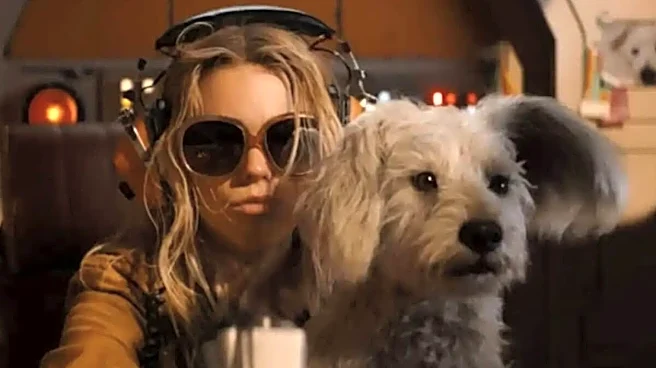
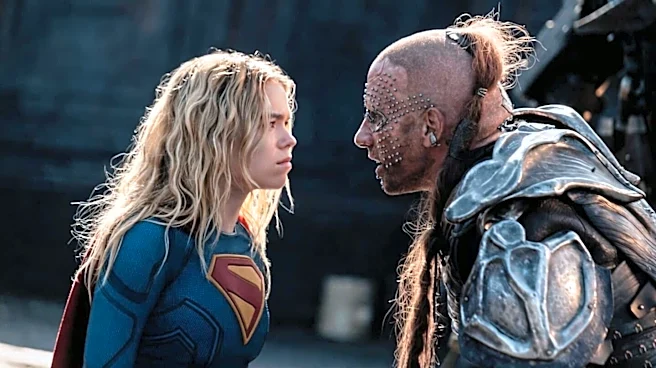
Supergirl entered theatres without major marquee names – no huge stars were involved in the project. While Milly Alcock earned praise for her breakout work in HOTD, she is still relatively unknown to global audiences. In fact reports suggest that director Craig Gillespie struggled to secure high-profile actors for several key roles before casting Matthias Schoenaerts as the villain. Furthermore, even Jason Momoa's much-publicised appearance as Lobo wasn't enough to significantly broaden the audience.And this is in sharp contrast to earlier DC launches. Man of Steel featured stars Amy Adams, Kevin Costner and Michael Shannon. Batman v Superman: Dawn of Justice benefited enormously from the headline-grabbing casting of Ben Affleck as Batman. While star power doesn't guarantee success, it can create stronger opening weekends - particularly for lesser-known characters.
Why Does Clayface Suddenly Matters More?
Supergirl was DOA and the spotlight now shifts to an unexpected project. DC's next theatrical release is Clayface - a horror-inspired adaptation reportedly made for around $40 million. Ironically it has one of the most modest budget for a superhero film, and that could be its greatest strength. Unlike Supergirl, the film doesn't need blockbuster numbers to become profitable. If audiences respond positively, it could demonstrate that smaller, genre-driven superhero films represent a more sustainable future – something that recent original horror films like Backrooms and Obsession have demonstrated already. DC may now have to embrace that lesson faster than anticipated.
DC Needs More Successes Beyond Superman
The success of David Corenswet’s Superman alone cannot build an entire cinematic universe. DC still has several ambitious projects in Lanterns, Dynamic Duo, and Gunn’s own Superman sequel Man of Tomorrow. If these films do manage to succeed, Supergirl may simply become an early speed bump remembered as an isolated miscalculation. However, if they struggle, the Milly Alcock film could be remembered as the first indication that audiences remain unconvinced by DC's broader strategy.
DC Universe And The Road Ahead
A setback is not new for a cinematic universe. Even Marvel, which is more successful by a long shot has faced disappointments before regaining momentum. The question is whether Gunn and Safran can convince audiences that their universe is worth investing in beyond Superman. Supergirl’s box office momentum (especially the lack of it) has just made their journey that much harder.
/images/ppid_a911dc6a-image-178281606494292414.webp)



/images/ppid_a911dc6a-image-178283352069361241.webp)






/images/ppid_a911dc6a-image-178280208636715191.webp)




/images/ppid_a911dc6a-image-178281258435552135.webp)