




Create a Bright Foundation
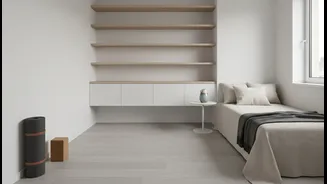
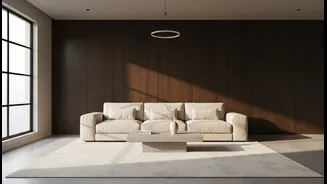
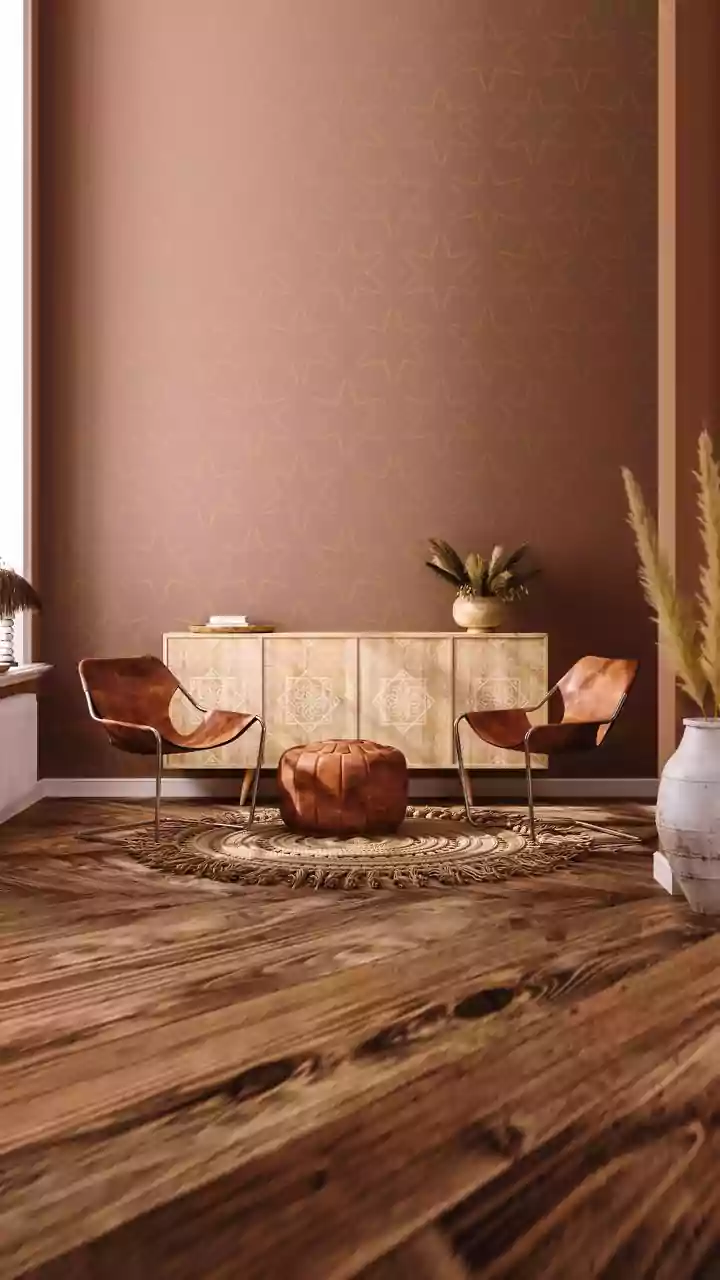
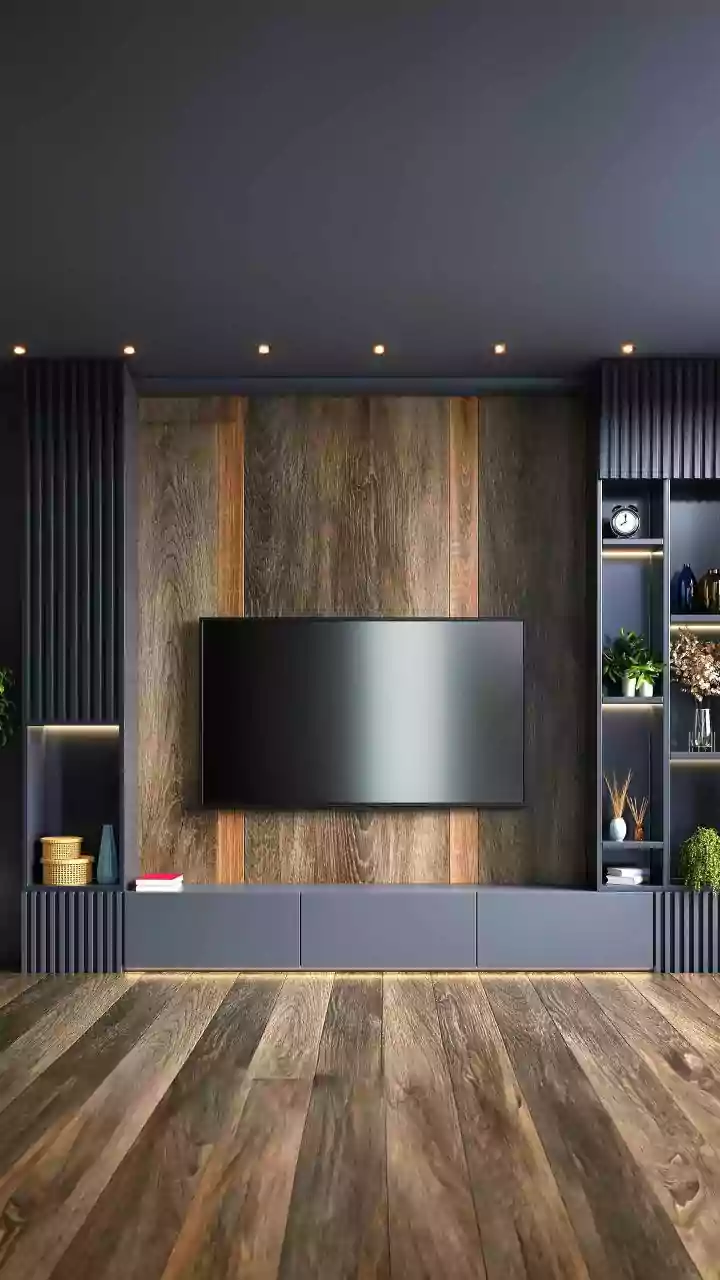
The single most effective strategy for incorporating dark wood is to create a high-contrast environment. Dark, heavy furniture absorbs light, so the surrounding elements must do the opposite. Think of your walls, ceiling, and even your floor as a bright
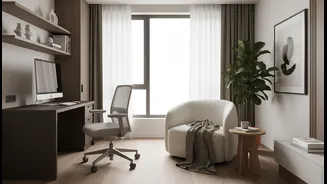
canvas. Crisp whites, soft beiges, light greys, or pale pastels are your best allies. These light, neutral colours reflect natural light, making the room feel open and airy. The dark wood pieces then stand out as deliberate, dramatic accents rather than overpowering elements. A light-coloured rug, whether a solid cream or a patterned design, can also create a visual lift, breaking up the floor space and highlighting the beauty of the furniture above it.
Master the Art of Lighting
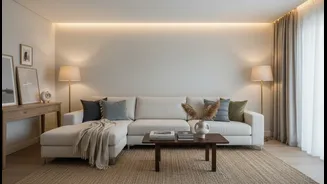
In any home, but especially one with dark furniture, lighting is not an afterthought—it's a primary design tool. Relying on a single overhead bulb will create shadows and make the room feel gloomy. The solution is layered lighting. Combine ambient (overall) lighting from ceiling fixtures with task lighting (like reading lamps) and accent lighting (such as wall sconces or picture lights). Warm-toned bulbs, around 2700K to 3000K, will enhance the rich undertones of the wood, making the space feel cosy and inviting. Furthermore, maximise natural light by using sheer or light-coloured curtains that allow sunlight to filter through, brightening the entire room and the wood's natural grain.
Choose Sleek Silhouettes
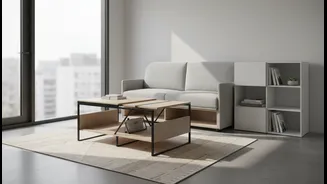
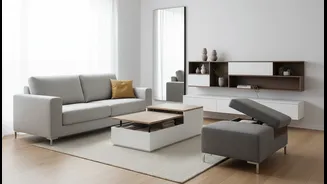
The shape of your furniture matters just as much as its colour. Bulky, heavy pieces that sit flat on the floor can indeed make a room feel smaller. Instead, opt for furniture with sleek lines and visible legs. Sofas, cabinets, and tables raised on slender legs create a sense of openness because you can see the floor continuing underneath them. This small detail prevents the furniture from looking like a heavy block, reducing its visual weight significantly. Floating shelves or wall-mounted consoles are also excellent choices as they keep the floor clear and maintain an uncluttered sightline.
Use Reflection to Your Advantage
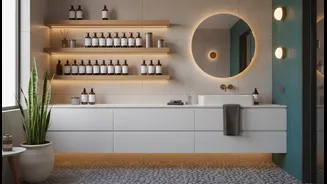
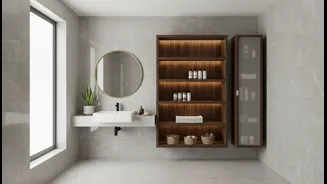
Reflective surfaces are a designer's secret weapon for making small spaces feel larger and brighter. Strategically placing a large mirror opposite a window is a classic trick; it bounces natural light around the room and creates an illusion of depth. But don't stop at mirrors. Incorporating other reflective materials like glass and metal can also lighten the visual load of dark wood. A coffee table with a glass top, for example, provides a functional surface without the bulk of a solid wood one. Metallic accents in gold, brass, or chrome on lamp bases, cabinet handles, or decor items add a touch of glamour and sparkle, creating points of light that contrast beautifully with the deep wood tones.
Balance with Lighter Textures
To prevent a room with dark wood from feeling too stark or formal, it's important to introduce a variety of soft textures. Layering textiles is an easy and effective way to do this. Think of light-coloured cushions and throw blankets on a dark sofa, a plush rug under a dark dining table, or airy linen curtains framing a window. These softer elements provide a tactile contrast to the hard, smooth surfaces of the wood, adding a layer of comfort and cosiness. The interplay of different materials—like leather, cotton, wool, and velvet—adds visual interest and depth, making the space feel more curated and inviting.