

What Are the Orionid Meteors?
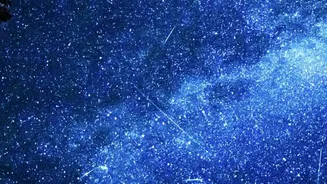
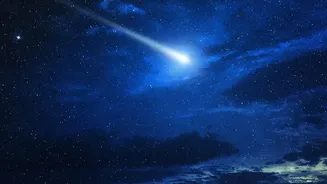
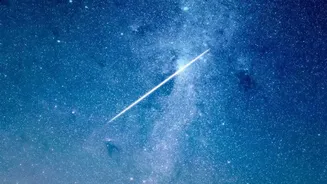
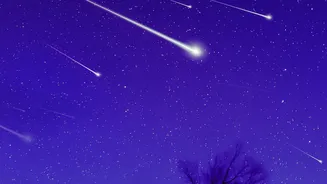
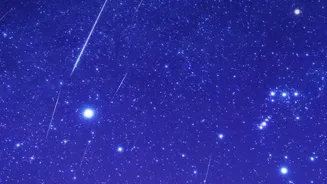
The Orionid meteor shower is an annual event that occurs as Earth passes through the trail of debris left behind by one of the most famous comets: 1P/Halley, more commonly known as Halley's Comet. As tiny pieces of this cometary dust and rock enter our
atmosphere at high speed—around 66 kilometres per second—they burn up, creating the spectacular streaks of light we call meteors or "shooting stars". The Orionids are known for being particularly bright and fast, and they sometimes leave behind glowing trails that can linger for a few seconds. The shower gets its name because the meteors appear to radiate from a point in the sky near the constellation Orion, the Hunter.
When and Where to Watch in 2026
Mark your calendars for the peak of the Orionid meteor shower on the nights of October 21st and 22nd, 2026. The shower is active from early October to early November, but your best chance of seeing a high number of meteors will be during these peak nights. You can expect to see between 15 and 25 meteors per hour in a dark sky. The best time for viewing is in the hours after midnight, ideally before dawn. In 2026, there will be a bright waxing gibbous moon, but it sets around 3 a.m. local time, creating a perfect dark window for viewing from then until sunrise. You don't need to look only at the constellation Orion; the meteors will appear across the entire sky.
Your Only Checklist: Eyes and Patience
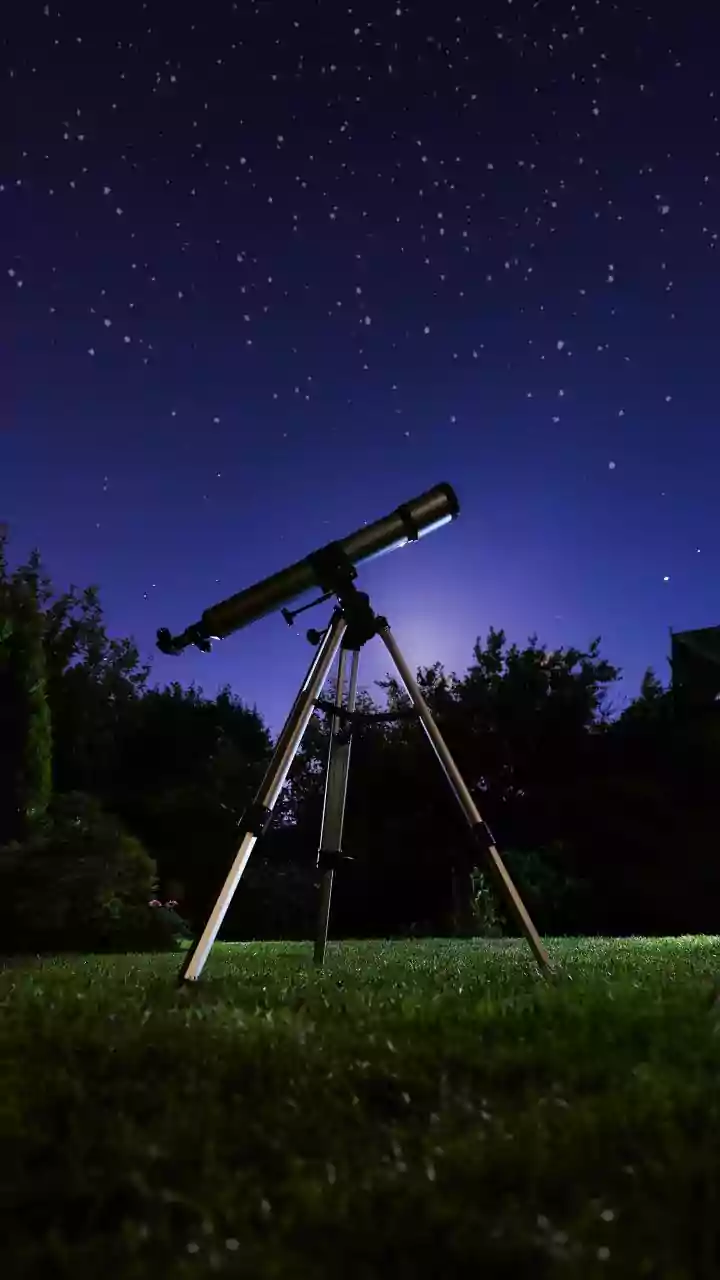
The best news for casual observers is that you need no special equipment to enjoy a meteor shower. In fact, telescopes and binoculars are not recommended because they limit your field of view, making it more likely you'll miss the fast-moving meteors. All you really need are your own eyes. The most important tool you can bring is patience. It takes about 20 to 30 minutes for your eyes to fully adapt to the darkness, which will allow you to spot the fainter meteors. Find a comfortable spot, lie back on a blanket or a reclining chair, and simply look up, taking in as much of the sky as possible.
How to Beat City Light Pollution
Viewing from a city presents the challenge of light pollution, which can wash out all but the brightest meteors. But you can still catch the show. The key is to find the darkest spot available. This could be a local park, a rooftop, or even a backyard that is shielded from direct streetlights by buildings or trees. Any location with a wide, unobstructed view of the sky is a bonus. Try to face away from the brightest part of your city. Simply turning off the lights on your own balcony or in your garden can make a difference. A little planning, like choosing a night after rainfall when the air is clearer, can also improve visibility.
Useful Tech in Your Pocket
While heavy astronomy gear is unnecessary, your smartphone can be a surprisingly useful tool. Several stargazing apps can help you locate the constellation Orion, which serves as a general guide for where to watch. Apps like SkyView, Star Walk 2, and Stellarium use your phone's location and sensors to create a real-time map of the sky. You just point your phone upwards, and the app will identify stars, planets, and constellations for you. Using an app can help you get your bearings, but remember to put the phone away once you've found your spot to let your eyes adjust to the darkness.