
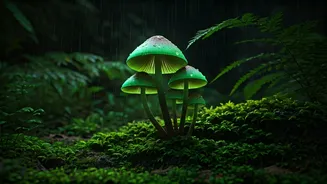


A Monsoon Fairy Tale
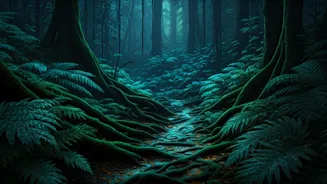
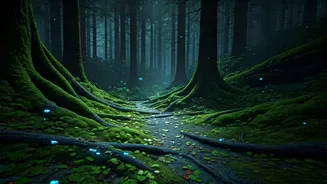
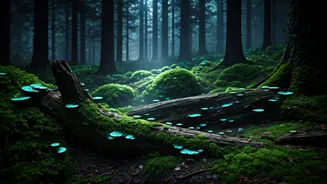
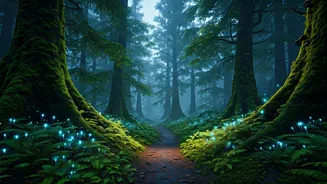
Imagine trekking through a dense forest in the Western Ghats on a moonless night. The air is thick with humidity and the symphony of crickets. As your eyes adjust to the darkness, you notice something strange. The forest floor, decaying twigs, and rotting
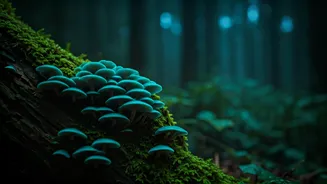
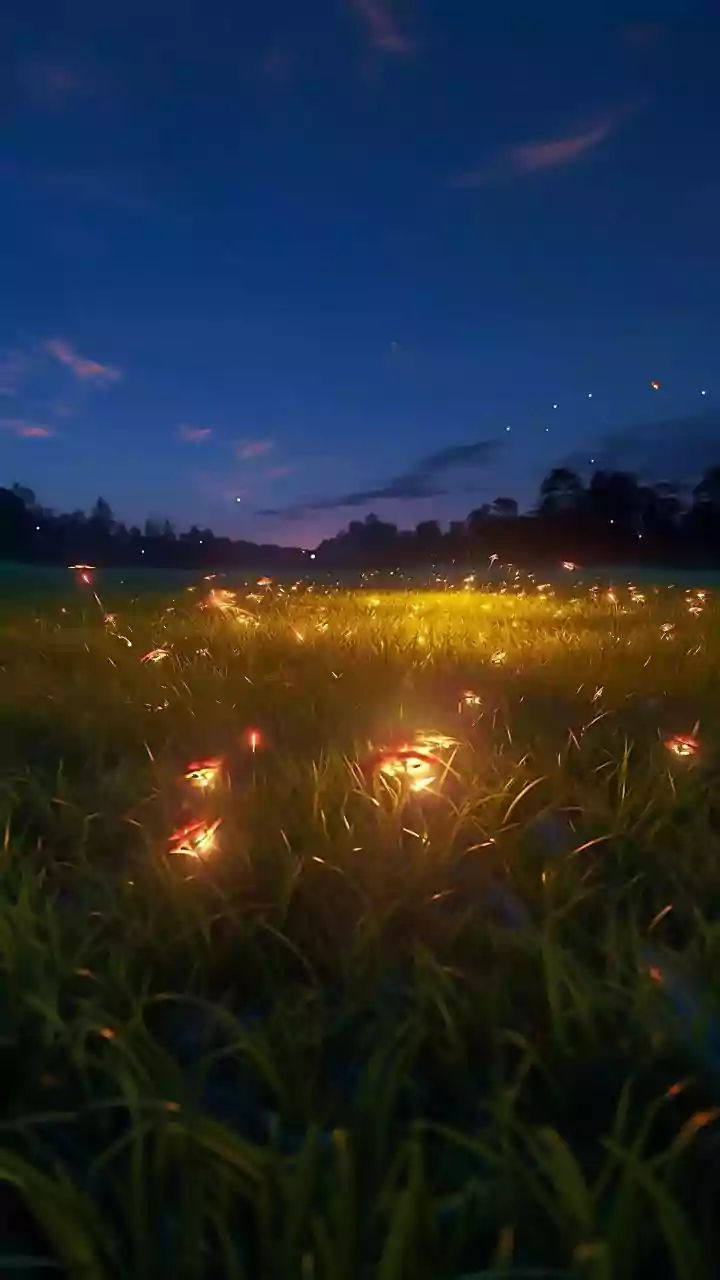
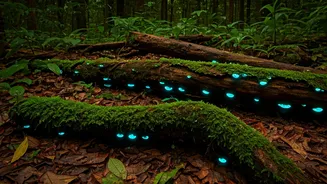
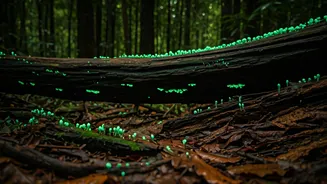
leaves are emitting a soft, ethereal green-yellow light. It’s not a trick of the eyes or a scene from a fantasy film. This is a real, breathtaking natural event known as bioluminescence, and it transforms parts of India’s forests into an otherworldly landscape during the monsoon.
The Science Behind the Magic
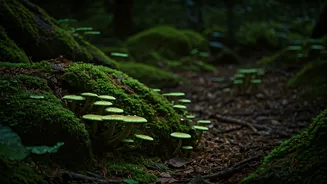
This ghostly glow is created by living organisms, specifically several species of bioluminescent fungi. The most common culprits in India belong to the genus *Mycena*. These mushrooms contain a chemical compound called luciferin and an enzyme called luciferase. When luciferin comes into contact with oxygen in the presence of luciferase, a chemical reaction occurs, releasing energy in the form of cold light. This is the same principle that allows fireflies to glow. Scientists believe the glow might serve to attract insects that help spread the fungi's spores, or conversely, to deter animals from eating them. For us, however, it’s simply a mesmerising display of nature’s quiet ingenuity.
Where to Witness This Phenomenon
While the headline suggests 'entire forests', the glow typically appears in damp, dense patches on the forest floor. The phenomenon is most famously documented in the Western Ghats, a biodiversity hotspot that comes alive during the rains. Key states where you can witness this magic include: - **Maharashtra:** The Bhimashankar Wildlife Sanctuary, about 100 km from Pune, is one of the most popular spots. Trekkers often report seeing glowing fungi on the trail, especially during late-night treks. - **Goa:** The Mhadei Wildlife Sanctuary, particularly in the Chorla Ghat region, is another hotspot. The dense, moist forests here provide the perfect habitat for these glowing mushrooms. - **Karnataka:** The forests around Agumbe, known for its heavy rainfall, are also prime locations. Local guides and naturalists in the region are often aware of the specific trails where the glow is visible. - **Meghalaya:** While less documented, reports of bioluminescent fungi also emerge from the lush forests of the Khasi Hills, proving the phenomenon isn't exclusive to the Western Ghats.
The Best Time for a Glowing Night
Timing is everything. The bioluminescent fungi thrive in high humidity and moisture, making the peak monsoon months—from June to early October—the ideal time to go looking. The glow is best observed on a dark, moonless night, at least two hours after sunset, allowing your eyes to fully adjust to the low light. A fresh spell of rain often enhances the glow, as the moisture supercharges the chemical reaction within the fungi. The light is faint, so complete darkness, away from any artificial light pollution from cities or villages, is essential for the best viewing experience.
Tips for a Magical Experience
If you plan to seek out this natural wonder, going prepared is key to a safe and rewarding trip. First, always go with a local guide who knows the terrain and the exact locations of the fungi. Wear sturdy, waterproof trekking shoes with good grip, as the forest floor will be slippery and potentially home to snakes and leeches. Carry a torch, but use it sparingly to navigate. To truly appreciate the bioluminescence, you need to switch off all lights for several minutes. Be patient and quiet. Finally, remember that you are in a fragile ecosystem. Do not touch or disturb the fungi, and carry back everything you take in. Practice responsible tourism to ensure these magical forests continue to glow for years to come.