



The Undeniable Credentials
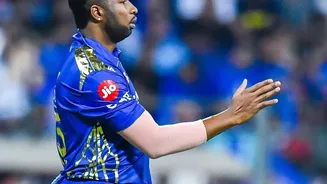
The argument for Pollard's readiness starts with his immense experience and unmatched understanding of the T20 format. He is a five-time IPL champion with Mumbai Indians and a T20 World Cup winner with the West Indies. More than just a player, he was
an on-field general, a master of game awareness who often seemed two steps ahead of the play. His tactical acumen was evident in his bowling changes, field placements, and ability to read match situations under extreme pressure. For over a decade, he was a senior figure in the MI dressing room, a mentor to younger players and a key part of the leadership group. This 'MI DNA' is invaluable; he understands the franchise's culture of success better than almost anyone. When he retired from the IPL in 2022, his transition to batting coach felt like a natural first step, a way for the franchise to keep his brilliant cricket mind within the family.
The Coaching Apprenticeship
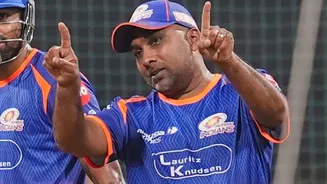
Pollard hasn't just been sitting on the sidelines. He has actively built a coaching portfolio that signals a clear ambition. Since becoming MI's batting coach, he has also taken on significant roles elsewhere. He was appointed head coach of the MI Emirates in the ILT20 and served as an assistant coach for England during the 2024 T20 World Cup, a move designed to leverage his deep knowledge of Caribbean conditions. This diversity of experience is crucial. With MI Emirates, he has had a taste of head coaching responsibilities, managing a full squad and being the final decision-maker. His role with England exposed him to a different cricketing culture and a new set of players, broadening his man-management perspective. Interestingly, Pollard himself has stated that coaching has made him a better player, as it forced him to analyze the game from the opponent's perspective, anticipating strategies and plans. This dual insight as both a recent player and an emerging coach is a powerful combination.
The Challenges of Transition
However, the leap from player and specialist coach to head coach is significant. The biggest hurdle is often managing former peers. As a head coach, Pollard would have to make tough, sometimes unpopular decisions about players he shared a dressing room with. Can he maintain authority and make impartial calls on selection and strategy? Furthermore, the modern head coach role is more than just tactics. It requires a deep understanding of data analytics, sports science, and holistic player management. While Pollard's on-field intelligence is undisputed, a head coach must build and lead a team of specialists, delegating and trusting their expertise. His experience so far has been as a specialist or an assistant, operating under a head coach. The top job carries a different kind of pressure, where the ultimate accountability for the team's performance rests squarely on his shoulders.
The Verdict: When, Not If
So, is Pollard ready? The answer is nuanced. While his tactical knowledge and experience are top-tier, he is still in the process of accumulating the full range of skills required for a high-pressure head coach role at a franchise like Mumbai Indians. Great players don't automatically become great coaches; it requires a different skill set, including empathy, adaptability, and clear communication. Pollard has shown a clear aptitude and desire to learn, taking on roles that are systematically preparing him for a top job. He is on an undeniable trajectory to become a head coach. He is building the resume, gaining the experience, and has the respect of the cricketing world. While jumping into the MI head coach role tomorrow might be premature, it feels more like a question of 'when' rather than 'if'. His apprenticeship is progressing perfectly, and another season or two honing his skills as a head coach in other leagues could be the final step.