

From Sightseer to Participant
For decades, travel was often a race to tick boxes: the Taj Mahal, the Eiffel Tower, the Colosseum. But a significant shift is underway. Culture-led travel is about planning an entire trip around an experience rather than a landmark. It’s the difference
between taking a photo of a festival and timing your holiday to actually participate in it. According to a recent report by global travel platform Skyscanner, two-thirds of Indian travellers now plan their holidays specifically around heritage, festivals, and food. This new approach transforms the traveller from a passive observer into an active participant, seeking to understand the story of a place through its people, traditions, and flavours.
Why Culture is the New Compass
Several factors are driving this move towards more meaningful journeys. The modern Indian traveller, especially in the 18-35 age group, is more discerning. Having grown up with access to the world via screens, they crave authenticity that a simple selfie cannot capture. Social media platforms like Instagram and YouTube play a huge role, not just in showcasing 'Instagrammable' spots, but in revealing the immersive experiences behind them. Over 80 percent of Indian travellers report that their interest in culture-focused trips has grown in recent years, influenced by everything from travel vlogs to recommendations from friends. This digital exposure creates a desire for real-world participation in the traditions, crafts, and festivals they see online. It reflects a deeper change in priorities, where experiences are valued more than souvenirs.
What a Culture-Led Trip Looks Like
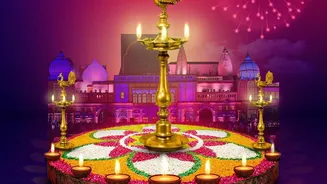
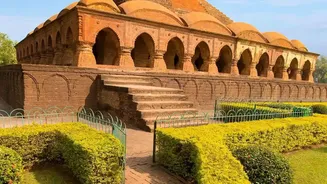
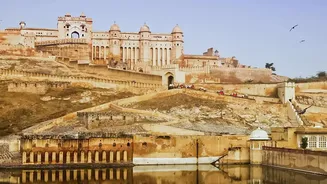
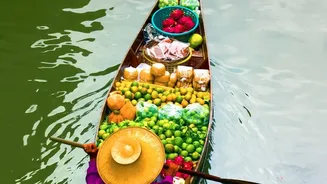
So, what does this trend look like in practice? It can mean planning a trip to Kolkata for Durga Puja or to witness the Navratri Garba in Gujarat. It’s choosing to explore the ancient stepwells of Patan in Gujarat or the living craft traditions in Jaipur. According to industry data, heritage sites remain the biggest draw, but they are now complemented by culinary trails, craft workshops, and community-led storytelling. The experiential travel market in India, which encompasses these activities, is projected to be a multi-billion dollar segment by 2027. This shift is also taking travellers beyond the usual metro circuits, with one in four now venturing into Tier II and Tier III towns for more authentic cultural encounters.
A More Intentional Traveller
This focus on culture is also changing how people plan. The spontaneous, last-minute trip is being replaced by more deliberate preparation. A recent survey found that 40 percent of travellers planning a culture-focused journey begin their research three to six months in advance. The dates of a key festival or event have become a more significant booking consideration than even the cost of flights or accommodation for many. This indicates that travellers see these trips not just as vacations, but as valuable, time-sensitive experiences worth investing in. This applies to international travel as well, with 46 percent of Indian travellers having already journeyed abroad for a cultural event, and many more aspiring to do so. Popular international draws include Italy's Renaissance heritage and the UK's rich history of literature and theatre.