






A Void in the Orbit
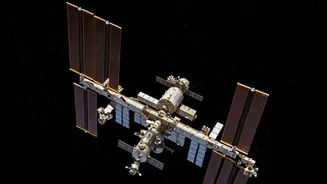
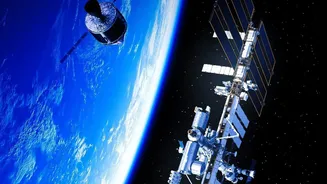
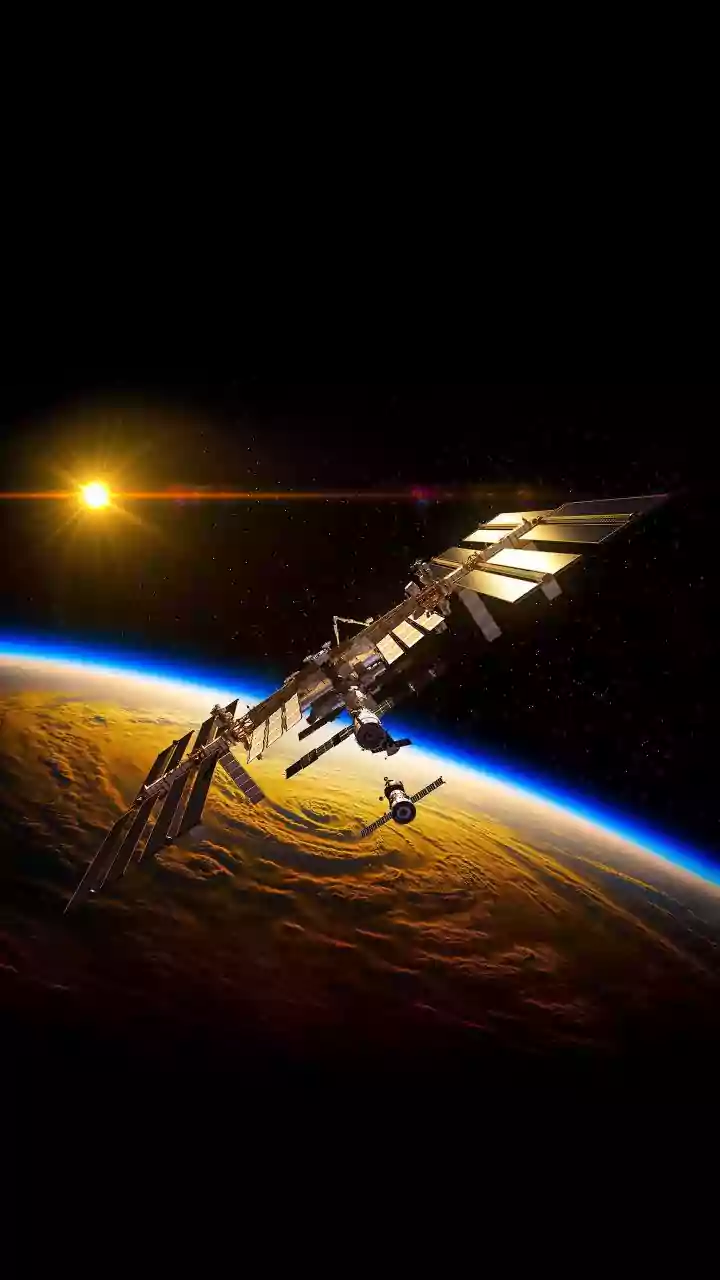
For more than 25 years, the International Space Station (ISS) has been humanity's only continuous foothold in low-Earth orbit, hosting over 290 astronauts and countless scientific experiments. But the aging outpost is showing its wear. Faced with rising
maintenance costs and the natural degradation of its structure from constant exposure to the harsh environment of space, NASA and its international partners are planning to deorbit the station around 2030. It will be guided to a controlled splashdown in a remote part of the Pacific Ocean. Its retirement leaves a critical gap: without a replacement, scientists would lose a unique microgravity laboratory, and the US would lose its continuous human presence in orbit for the first time in a generation.
From Operator to Customer
Rather than building another government-owned station, NASA is pivoting its strategy. Through its Commercial Low-Earth Orbit Destinations (CLD) program, the agency is funding several private companies to design and build their own space stations. The goal is for NASA to become just one of many customers, buying services and astronaut time from these commercial operators. This model mirrors the success of its programs for commercial cargo and crew transport to the ISS, which helped spur the growth of companies like SpaceX. By investing in private enterprise, NASA hopes to foster a robust orbital economy while freeing up its own resources to focus on deeper space exploration, like the Artemis missions to the Moon and Mars. In 2026, NASA has been refining its approach, aiming to award contracts that will ensure at least one commercial platform is operational before the ISS is decommissioned.
Meet the New Landlords of LEO
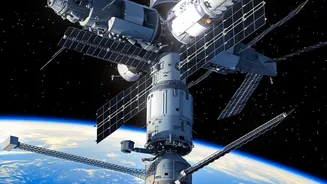
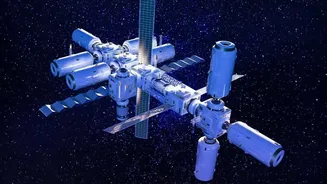
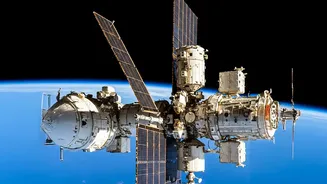
Several major players have emerged in the race to build the next generation of space stations. Axiom Space is taking a unique approach by first attaching its own modules to the ISS. The first module is slated to launch around 2027, with the plan to detach and form a free-flying independent station called Axiom Station before the ISS retires. Another major contender is Starlab, a joint venture between Voyager Space and Airbus, which plans to launch a large, single-module station on a SpaceX Starship rocket around 2029. A third team, led by Blue Origin and Sierra Space, is developing Orbital Reef, envisioned as a "mixed-use business park" in space with modules for science, manufacturing, and tourism. Other companies like Vast are also developing smaller, more focused habitats, hoping to be first to market.
A New Orbital Economy
These new commercial outposts are being designed for a much broader clientele than just government astronauts. The business plans for stations like Orbital Reef and Starlab include services for private researchers, commercial manufacturing, and even space tourism. The vision is to create a thriving ecosystem in low-Earth orbit where companies can develop new products in microgravity, filmmakers can shoot movies, and wealthy adventurers can experience life in orbit. Axiom Space has already conducted several private astronaut missions to the ISS, demonstrating a clear market for non-government spaceflight. This shift from a purely scientific and government-run presence to a commercial marketplace could unlock new industries and economic opportunities that are currently hard to imagine.
Challenges Before Liftoff
Despite the ambitious plans and promising designs, the road to a commercial orbital future is filled with challenges. Building a space station is an incredibly complex and expensive engineering feat, and timelines are notoriously optimistic. The U.S. Government Accountability Office has warned of a potential gap between the ISS's retirement and the readiness of its commercial replacements. Recent history in major space projects suggests that delays are likely. Furthermore, the business case for these stations relies on attracting a wide range of customers beyond NASA, a market that is still largely unproven. Securing sufficient private funding and navigating the immense technical hurdles to ensure these stations are safe, reliable, and operational before 2030 remains a monumental task for all companies involved.