



The Cameo That Spoke Volumes
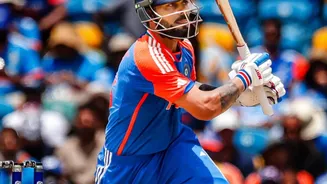
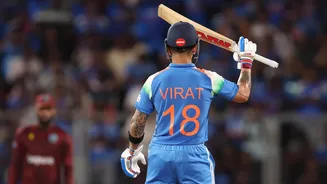
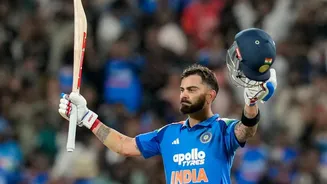
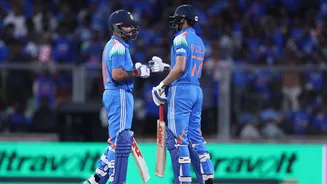
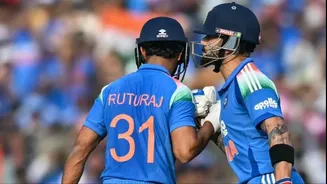
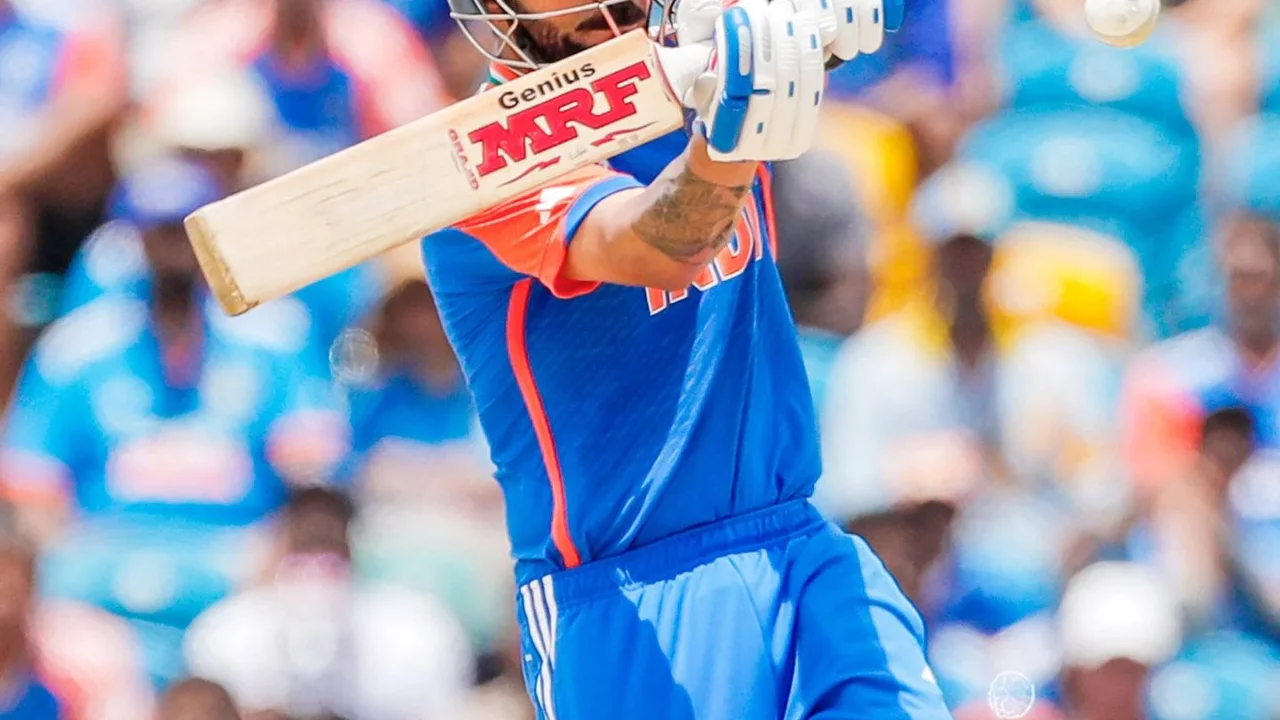
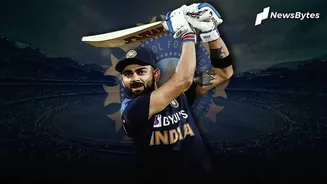
On its own, a score of 29 is a footnote in a career like Virat Kohli's. But the manner in which he scored it—off just 19 deliveries—is a headline in itself. This wasn't the anchor, the accumulator, the master of the chase patiently building a foundation.
This was a statement of intent. With a strike rate soaring over 150, the innings was a microcosm of a new philosophy, one where every ball is an opportunity to attack and impose himself on the opposition. In the context of modern One-Day International cricket, where team totals are regularly pushing past 350, this kind of high-impact innings from a senior player is invaluable. It suggests a deliberate move away from personal milestones towards maximising the team's momentum, even if it means playing a shorter, more explosive role. This cameo wasn't just runs on the board; it was a signal of the evolution of a legend.
A Conscious Shift in Mindset
This transformation is not accidental; it's a calculated decision from Kohli himself. In recent interviews leading up to and during the West Indies series, he has spoken candidly about making a "conscious effort" to play with more freedom and aggression. He has noted how the game is changing, with teams now consistently aiming for totals around 350-360, and has expressed his willingness to take more risks to help India reach those targets. This marks a significant departure from his long-held role as the team's stabiliser, the player who would absorb pressure and build a platform. For years, his game was about percentage cricket. Now, it seems he has given himself the license to fully express his shot-making ability from the get-go, trusting his skills to deliver high-impact performances without being reckless. This new mindset was evident even in the first ODI of the series, where he scored a spectacular 139 not out.
The Data Backs the Eye Test
The visual evidence of a more aggressive Kohli is strongly supported by data. Analysis of his play, particularly since 2025 and in recent IPL seasons, reveals a sharp increase in his attacking shot percentage. During the powerplay overs, where he once focused on rotation and stability, his intent to find the boundary has risen dramatically. Statistics show his strike rate in the opening phase of his innings is significantly higher than in previous years, indicating a clear strategy to put pressure on bowlers early. This isn't just about swinging for the fences; it's about a refined technique that allows him to dominate from ball one. This shift has been so pronounced that some analysts have dubbed this new phase 'Kohli 2.0', a version adapted for the hyper-aggressive demands of contemporary white-ball cricket.
The Freedom From Chasing Records
Perhaps the most fascinating aspect of this evolution is the psychological freedom it represents. For a player who has spent over a decade shattering records, the public focus has often been on the next milestone. Yet, Kohli has consistently stated that winning games for the team has always been his primary motivation, not personal statistics. His recent innings against the West Indies perfectly encapsulate this dual reality. In the first ODI, he became only the second man to score 15,000 ODI runs, a monumental achievement. Yet, his quickfire cameo in the following match suggests that with the big milestones now in his rearview mirror, he is even more liberated to play purely for the team's needs. The pressure of the next hundred or the next thousand runs seems to have been replaced by a desire to make a match-winning impact, whether that takes 100 balls or just 19. This version of Kohli is arguably the most dangerous yet—a master batsman playing with the aggression of a rookie and the wisdom of a veteran.