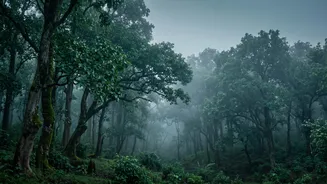



As winter settles over the heart of India, a magical transformation occurs. The dense jungles of Madhya Pradesh become a top travel destination, with forest lodges booked to capacity. But why is this season the undisputed king for a safari?
The Perfect Weather Window
The most straightforward
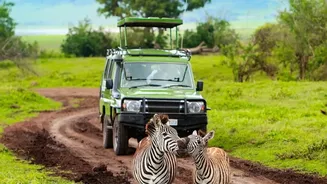
reason for winter's popularity is the comfortable climate. From November to February, Central India sheds the intense heat of summer and the impassable mud of the monsoon. The weather becomes idyllic for travel, with pleasant, sunny afternoons perfect for game drives and cool, crisp mornings that add a touch of magic to the experience. Unlike the scorching summer months, which can see temperatures soar above 40°C, winter offers a comfortable environment for both travellers and animals, making long hours in an open safari vehicle a joy rather than an endurance test. This pleasant weather is a primary driver for families and first-time safari-goers.
Peak Visibility for Wildlife Sightings
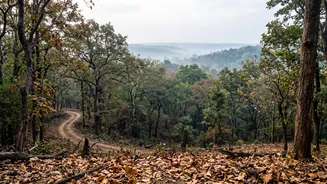
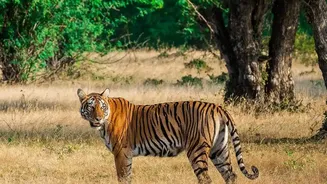
Winter is when the jungle reveals its secrets. After the monsoon, the dense undergrowth begins to thin out, and the deciduous forests shed their leaves. This dramatically improves visibility, making it easier to spot animals that would otherwise be concealed by thick foliage. Furthermore, as temperatures drop, many animals, including the elusive tiger and leopard, are more likely to be found basking in the gentle winter sun to warm up. They often use the forest tracks and clearings for this, increasing the chances of a memorable sighting during a game drive. The combination of clearer views and more visible animals is a powerful draw for wildlife enthusiasts and photographers.
Animal Behaviour and Park Operations
Most national parks in Central India, including major tiger reserves like Kanha, Bandhavgarh, and Pench, close during the monsoon season (typically from June or July to September). They reopen in October, just as the winter season begins. This operational calendar creates a pent-up demand among travellers eager to return to the forests. Beyond logistics, winter aligns with key animal behaviours. It's a fantastic time for birdwatching, as numerous migratory species arrive from colder climates. It is also the mating season for animals like the Barasingha (swamp deer) in Kanha, offering unique behavioural sights. The combination of parks reopening and active, visible wildlife creates a perfect storm of opportunity.
The Holiday and Festive Season Rush
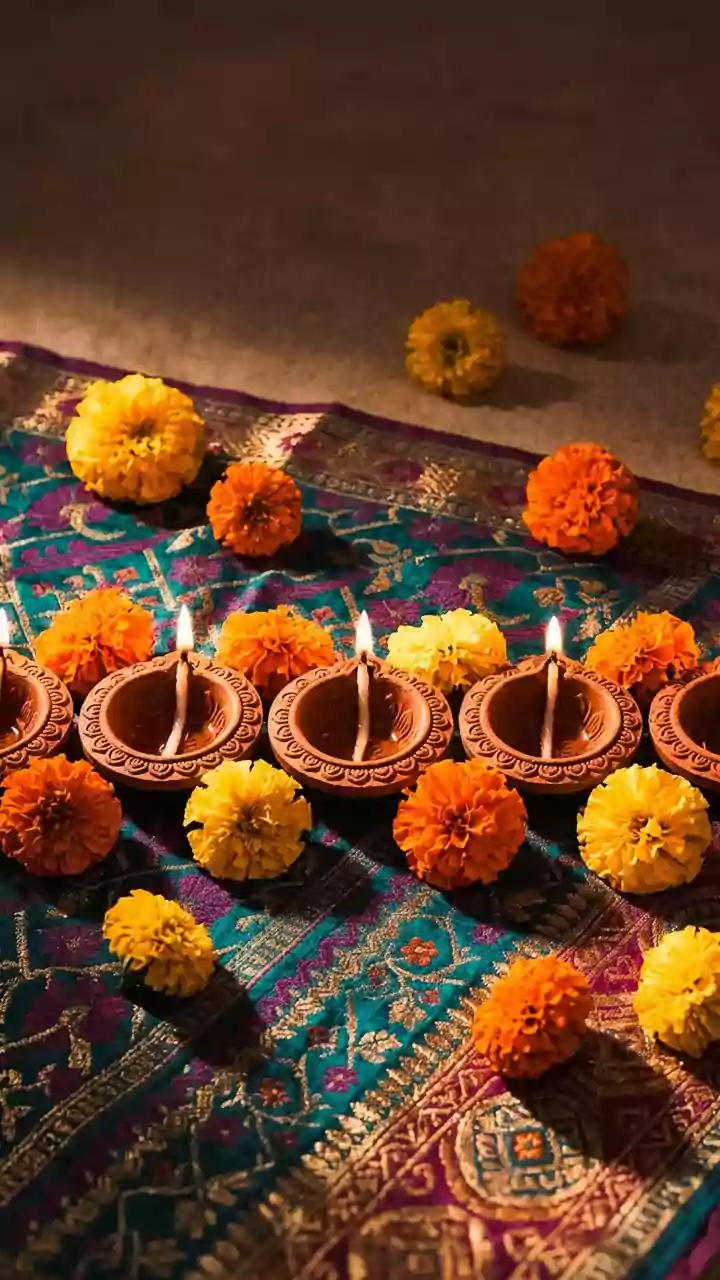
The winter safari season perfectly overlaps with India's major holiday and festive periods. The months from October to January are packed with celebrations like Diwali, Christmas, and New Year, which are peak travel times for domestic tourists. Families look for unique getaways to spend time together, and a wildlife safari presents an adventurous and memorable option. This surge in domestic travel contributes significantly to the high occupancy rates at forest lodges, which are often booked months in advance, especially for dates falling around public holidays and long weekends.
The experience of staying in a forest lodge is itself a major attraction during winter. After a chilly morning safari, returning to a warm breakfast is a welcome comfort. The evenings are often spent around a bonfire, sharing stories with naturalists and other guests under a star_filled sky. Many lodges lean into the cosy winter atmosphere, offering special menus with hearty local cuisine and warm drinks. This immersive, comfortable, and atmospheric experience is a significant part of the safari's appeal, turning a simple trip into a cherished memory that goes beyond just the wildlife sightings.