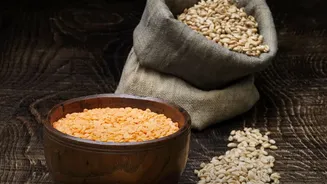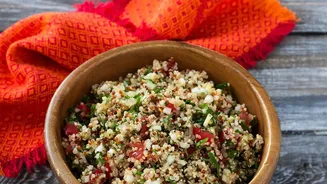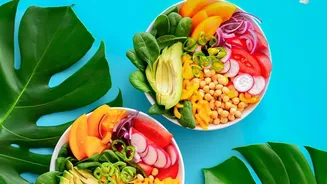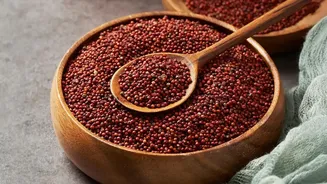

In the world of healthy eating, quinoa and lentils are plant-based superstars. Both are praised for their nutritional benefits, but which one packs a bigger protein punch? Let's break down this popular kitchen matchup beyond the basic numbers.
The Protein Showdown: A Clear Winner
When it
comes to pure protein quantity, lentils are the undisputed champion. A cooked cup of lentils (about 200 grams) delivers a powerful 18 grams of protein. In contrast, a cooked cup of quinoa (about 185 grams) offers a respectable 8 grams of protein. So, if your primary goal is to maximise protein intake per serving, lentils give you more than double the amount. For those focused on building muscle or increasing their daily protein count, lentils offer a significant advantage in every spoonful.
The Complete Story: Amino Acids Matter
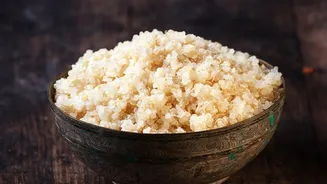
Protein numbers don't tell the whole story; the quality of that protein is just as important. This is where quinoa has a unique edge. Quinoa is a 'complete protein', meaning it contains all nine essential amino acids that our bodies cannot produce on their own. Lentils, like most legumes, are considered an 'incomplete protein'. They are rich in most amino acids but are low in two: methionine and cysteine. However, this is easily solved. By pairing lentils with a grain like rice or roti—a combination that is a staple in Indian cuisine—you create a complete protein profile. So while quinoa offers convenience, a dal-rice meal achieves the same complete protein goal.
Beyond Protein: Fibre and Micronutrients
Both foods are nutritional powerhouses far beyond their protein content. Here again, lentils have a slight edge in certain areas. One cup of cooked lentils boasts about 16 grams of dietary fibre, which is fantastic for digestive health and keeping you feeling full for longer. Quinoa offers a solid 5 grams of fibre per cup. When it comes to minerals, lentils are an excellent source of folate and iron, which are crucial for producing red blood cells. Quinoa shines as a great source of magnesium, which is important for muscle function and bone health, and manganese, an essential antioxidant.
In The Kitchen: Cooking and Versatility
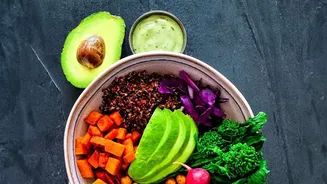
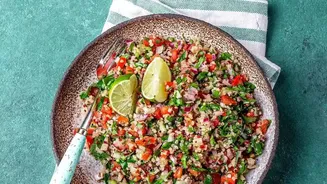
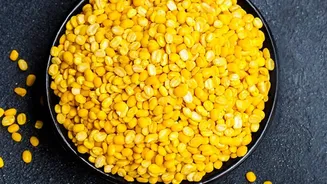
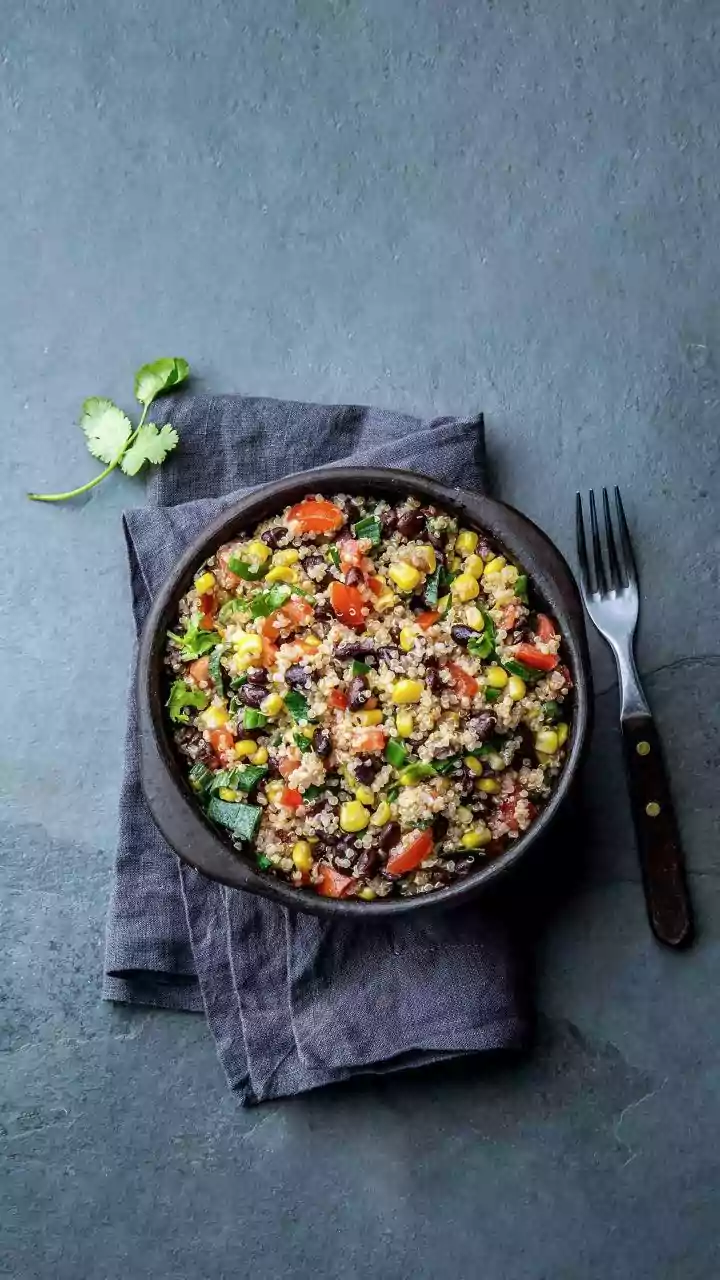
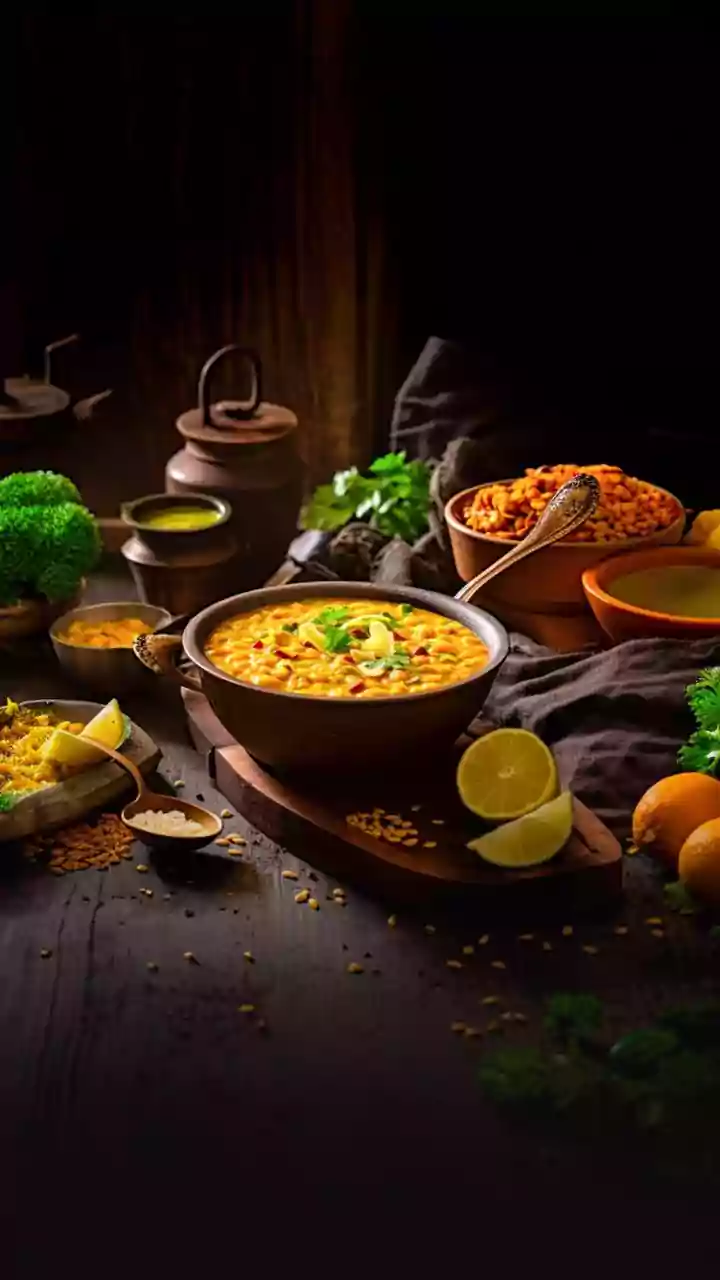
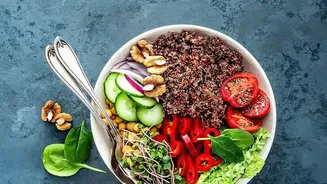
In the kitchen, their differences become even more apparent. Lentils, especially red lentils (masoor dal), cook quickly in about 15-20 minutes and break down into a creamy texture, making them perfect for dals, soups, and curries. Green and brown lentils hold their shape better and are great for salads. Quinoa has a fluffier, slightly chewy texture and a nutty flavour. It's incredibly versatile and works well as a substitute for rice, a base for salads and bowls, or even as a breakfast porridge. Before cooking, quinoa should always be rinsed to remove saponins, a natural coating that can taste bitter.
The Bottom Line: Cost and Context for India
For most Indian households, the final decision often comes down to cost and accessibility. Lentils are a clear winner here. As a dietary staple for generations, dals are widely available and affordable, with prices often ranging from ₹70 to ₹120 per kilogram. Quinoa, while more common now, is still considered a premium item. Its price can range from ₹200 to over ₹400 per kilogram, making it significantly more expensive. For daily nutrition on a budget, lentils provide exceptional value for money.