





The 7kg Carry-On Challenge
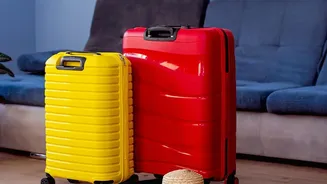
Seven kilograms is the magic number for many airlines when it comes to carry-on luggage. It’s a limit that forces travellers to be strategic, but it’s far from impossible, even when packing for rain. The goal isn't just to stuff everything in, but to make
smart choices so every item earns its place. Travelling carry-on only simplifies your journey immensely: no waiting at baggage carousels, lower costs, and less to lug around. The key to succeeding with a rain-focused packing list is prioritising high-performance, lightweight gear over bulky, single-purpose items. It starts with choosing a lightweight bag to maximize the allowance for your actual gear.
Your Outer Shell: The Most Critical Piece
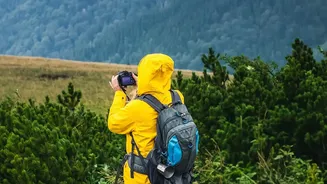
Your rain jacket is your first line of defence, and it's where a little investment pays huge dividends. Forget the bulky coat that takes up half your bag. Look for an 'ultralight' or 'packable' waterproof shell. Modern technical fabrics offer incredible protection for a fraction of the weight and packed size of their predecessors. Materials like 2.5-layer or 3-layer laminates provide a great balance of waterproofing, breathability, and durability. A quality jacket should weigh between 200 and 400 grams and pack down to the size of an apple. This single item is non-negotiable, so choose one that can fit comfortably over your other layers.
The Power of a Layering System
Instead of a heavy fleece or woollen jumper, think in layers. A complete system consists of a base layer, a mid-layer, and your outer shell. For the base, merino wool is a champion; it wicks moisture, regulates temperature, and resists odour, meaning you can wear it multiple times before washing. Synthetic base layers are also excellent and dry very quickly. For a mid-layer, a lightweight micro-fleece or a modern synthetic insulated vest provides warmth without bulk. This system allows you to adapt to anything from a chilly, damp morning to a warmer, rainy afternoon by simply adding or removing a layer.
Clothing: Choose Quick-Dry Fabrics
This is where many packers go wrong. Cotton is your enemy in wet weather; it absorbs moisture, takes forever to dry, and becomes heavy and cold against your skin. Instead, build your wardrobe around quick-drying materials. For your seven-day trip, consider packing: three to four tops made of merino wool or synthetic blends, and two pairs of trousers made from technical fabrics like nylon or polyester. These can be washed in a hotel sink and will often be dry by morning. This strategy drastically reduces the number of items you need to bring, freeing up precious weight and space.
Waterproof Trousers and Footwear
A rain jacket is only half the solution. A pair of lightweight, waterproof trousers is essential for keeping your bottom half dry during downpours or when navigating wet trails. Like the jacket, look for packable versions that can be slipped on over your regular pants. When it comes to footwear, you have options. Waterproof hiking shoes or trail runners are versatile, but can be heavy. Another excellent, lightweight option is to bring your most comfortable walking shoes and pack a pair of waterproof over-shoes or gaiters. Combined with waterproof socks, this setup keeps your feet dry without the weight penalty of a dedicated pair of heavy boots.
Essential Low-Weight Accessories
A few small items can make a massive difference. First, a waterproof pack cover is a must to protect your bag and its contents. Many modern backpacks come with one built-in. Second, use dry sacks or compression bags inside your main pack. These not only help organize your gear but also provide an extra layer of waterproofing for electronics and dry clothes. Pack two or three of varying sizes. This 'double-bagging' method ensures that even if your main bag gets damp, your critical items remain perfectly dry. Finally, don't forget that if you do end up needing something, you can almost always buy it at your destination.