





The Monsoon Kitchen Challenge
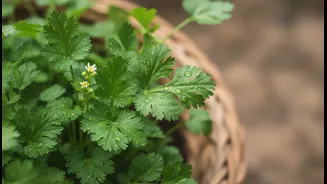
Coriander, or dhania, is the lifeblood of many Indian kitchens, but it's notoriously fragile. Its thin leaves and soft stems have high moisture content, making them susceptible to wilting and decay. During the monsoon, this problem intensifies. The high atmospheric
humidity means that even when stored in the fridge, the excess moisture in the air accelerates the growth of bacteria, leading to yellowing leaves and a slimy texture within a day or two. Simply tossing a bunch in a plastic bag creates a swampy environment, which is the fastest way to ruin it.
The Airtight Jar and Paper Towel Solution
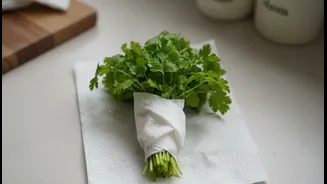
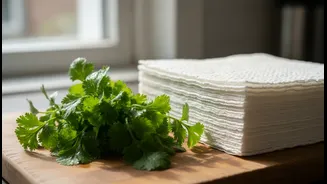
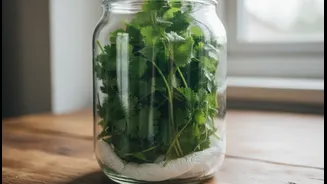
This is where a simple kitchen hack, backed by food science, comes to the rescue. Storing coriander in an airtight container lined with an absorbent paper like a paper towel or cotton cloth can extend its life from a couple of days to several weeks. This method tackles the two main enemies of herb freshness: excess moisture on the leaves and exposure to open air. The paper absorbs condensation and any 'sweat' from the leaves, while the airtight container creates a stable, controlled environment, protecting the herb from the damp monsoon air.
Step-by-Step: Your Guide to Freshness
Getting this right is easy, but the details matter. First, prepare your coriander. If it has roots, you can trim them off. Remove any yellow or blackened leaves, as one bad leaf can speed up the decay of the whole bunch. If the coriander is muddy, wash it gently, but the most crucial step is to dry it completely. You can spread the leaves on a cloth or use a salad spinner. Any lingering water on the leaves will cause them to rot. Next, line the bottom of an airtight glass or steel container with a dry paper towel or a clean cotton napkin. Loosely place the dry coriander inside. Don't pack it too tightly, as the leaves need some air circulation. Place another paper towel on top of the coriander before sealing the lid tightly. Store the container in the main part of your fridge, not the crisper drawer, which can be too humid.
Why This Method Works So Well
The science behind this hack is a simple balancing act. The paper towel acts as a dynamic moisture buffer. It wicks away the excess condensation that inevitably forms inside a cold container, which would otherwise create a breeding ground for the bacteria that cause slime and decay. Meanwhile, the airtight container prevents the high humidity of the monsoon air from getting in and also slows down dehydration. This creates a perfect microclimate—not too wet, not too dry—that keeps the coriander crisp and green. For best results, check the paper towels every few days; if they feel damp, replace them with dry ones to maintain this balance.
Other Tips for Hardy Herbs
While the paper towel method is excellent for coriander, other herbs have their own preferences. For mint, many find success by treating it like a bouquet of flowers: trim the stems and stand them upright in a jar with an inch of water in the fridge. This method can also work for coriander, provided you change the water every two days. For woody herbs like rosemary and thyme, a similar method of wrapping them in a barely damp paper towel inside a sealed bag works wonders. If you have a large surplus of herbs, another great monsoon strategy is to chop them, mix with a little oil, and freeze them in ice cube trays for future use in curries and sauces.