




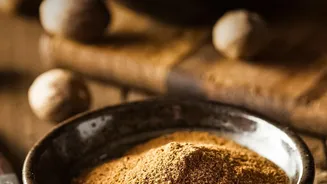
The Spice We Know and Love
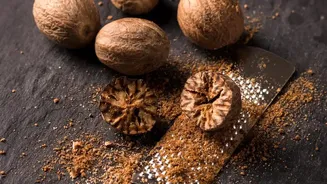
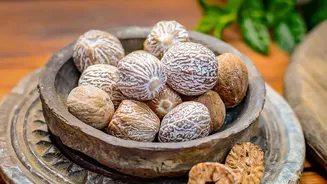
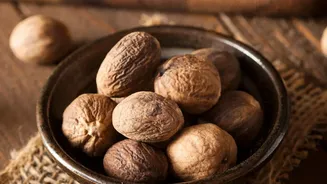
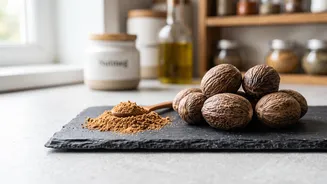
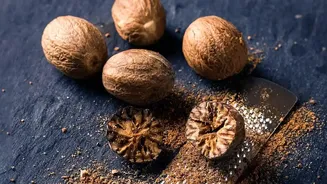
For centuries, nutmeg has been a prized commodity. Native to the Banda Islands of Indonesia, also known as the Spice Islands, this seed of the Myristica fragrans tree was once worth more than its weight in gold. Arab traders introduced it to Europe around
the 12th century, where it became a symbol of wealth and status among the elite. Its sweet, pungent flavour made it a staple in kitchens for everything from savoury sauces to baked goods. Today, it’s a common sight in spice racks globally, a testament to its enduring appeal in culinary arts.
The Key Compound: Myristicin
The secret to nutmeg's hidden side lies in its essential oils. The spice contains several volatile compounds, but the most significant is myristicin. This naturally occurring chemical is also found in smaller amounts in plants like parsley and dill, but it is most concentrated in nutmeg. Myristicin is responsible for more than just a part of the spice's unique fragrance; it is a psychoactive substance. When ingested in large quantities, its breakdown in the body affects the central nervous system, leading to a range of profound and often unpleasant effects.
A History of Hallucinations
The use of nutmeg for its intoxicating properties is not a modern phenomenon. Historically, it was believed to induce hallucinations, and wealthy Europeans were known to carry their own nutmeg grinders to add a pinch to their drinks for a psychoactive kick. Its reputation continued into the 20th century, with figures like Malcolm X noting its use as a prison intoxicant. The reason for these effects is that myristicin can influence neurotransmitters in the brain, similar to other well-known hallucinogenic compounds. This has led to periodic interest in the spice as a recreational drug, often fueled by anecdotal reports and curiosity.
The Dangerous Reality of a 'Nutmeg High'
While the idea of a 'nutmeg high' exists, the reality is far from enjoyable and extremely dangerous. A toxic dose can begin with as little as 5 to 10 grams of ground nutmeg—roughly one to two teaspoons. Symptoms typically appear hours after ingestion and can last for a day or longer. Rather than a pleasant euphoria, nutmeg intoxication is characterized by severe side effects including intense nausea, dizziness, confusion, a rapid heart rate, and extreme dry mouth. More severe symptoms include agitation, frightening hallucinations, and a feeling of impending doom. In high enough doses, nutmeg poisoning can lead to organ failure, seizures, and has been linked to fatalities, especially when combined with other substances.
Potential Benefits in Small Doses
Despite the dangers of overconsumption, when used in tiny, culinary amounts, nutmeg may offer some health benefits. It is rich in antioxidants, which help protect the body's cells from damage. Some scientific studies suggest it has anti-inflammatory, antibacterial, and antimicrobial properties. It has been used in traditional medicine for digestive issues like bloating and indigestion and as a component in dental products for its ability to fight oral bacteria. However, it's crucial to note that these potential benefits are associated with the very small quantities used in food, not the large, toxic doses.
The Verdict: Respect the Spice
The amount of nutmeg used in a typical recipe, usually a quarter or half teaspoon for an entire dish, is perfectly safe for consumption. The danger lies in intentionally ingesting large quantities. Poison control centres report cases of nutmeg toxicity, often involving teenagers seeking a cheap high. The bottom line is clear: nutmeg's place is in the kitchen, not in experiments with consciousness. The risk of a terrifying and prolonged toxic reaction far outweighs any perceived benefits of its psychoactive properties.