




What Exactly is Slow Travel?
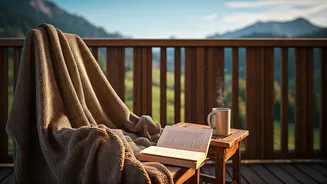
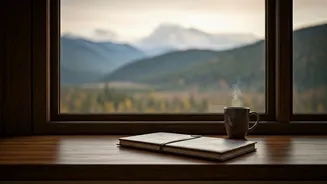
At its heart, slow travel is a mindset, not a speed. It’s the conscious decision to trade a frantic, jam-packed itinerary for a more immersive and meaningful experience. Forget the pressure to 'see it all.' Instead, the goal is to truly *experience* a place.
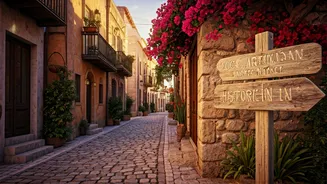
This means staying longer in one location, choosing an apartment over a hotel, shopping at local markets, and taking the time to understand the rhythm of a place. It’s about quality over quantity, favouring a deep dive into one neighbourhood in Goa over a frantic dash across three different states. The focus shifts from ticking off a bucket list to creating genuine connections—with the local culture, the community, and even with yourself.
The Post-Pandemic Push
The rise of slow travel isn't a coincidence; it's a direct response to our changing world. The global pause during the pandemic forced many to reconsider their priorities. The frantic pace of pre-2020 life suddenly seemed unsustainable, and that feeling extended to how we travel. We emerged with a deeper craving for authenticity, wellness, and meaningful connection. Furthermore, the explosion of remote and flexible work arrangements has been a game-changer. With the ability to work from anywhere, the line between living and travelling has blurred. A two-week vacation can now become a two-month 'work-ation,' allowing for the kind of deep immersion that slow travel champions.
Beyond Relaxation: Deeper Benefits
The appeal of slow travel goes far beyond simply avoiding travel burnout. It has profound benefits for the traveller, the destination, and the planet. For the traveller, it’s a form of mindfulness—a chance to de-stress, be present, and return home genuinely rejuvenated, not in need of a vacation from their vacation. Economically, it’s a more sustainable model. By staying longer and spending money at local businesses—the neighbourhood bakery, the family-run restaurant, the independent artisan—travellers ensure their money directly supports the community they are visiting, rather than just international corporations. Environmentally, the philosophy encourages a smaller footprint. Fewer destinations mean fewer flights. A focus on local experiences often means using public transport, walking, or cycling, reducing the carbon impact associated with typical tourism.
Putting the 'Slow' into Practice
So, what does this look like in reality? Instead of hopping between Paris, Rome, and Barcelona in ten days, a slow traveller might spend those ten days exploring Tuscany from a single farmhouse base. In an Indian context, it could mean forgoing a quick tour of Rajasthan's 'Golden Triangle' for a fortnight spent living in Udaipur, learning a local craft, or exploring the Aravalli hills on foot. It means choosing the train over a flight to truly see the landscape change. It’s about building a routine: finding your favourite chai stall, greeting the same shopkeeper each morning, and learning a few phrases in the local language. These small acts transform you from a temporary visitor into a temporary resident, creating richer memories than any monument selfie.
Is It Just for the Privileged?
A common critique is that slow travel is a luxury, accessible only to those with ample time and money. While long-term stays certainly require flexibility, the core principles of slow travel are universally applicable. You don’t need a month to travel slowly; you can apply the mindset to a weekend getaway. Instead of trying to cover an entire city, choose one or two neighbourhoods to explore deeply. Take a local cooking class instead of rushing between three museums. Even a 'staycation' can become a slow travel experience by consciously exploring your own city's hidden gems with a tourist’s curiosity but a local’s pace. It’s less about the duration and more about the intention.