





The Great Coastal Migration
The dream of working from a beach shack is no longer just a dream. For many, it's a Monday morning reality. The primary driver is simple: economics. A workation in a coastal town can be significantly more affordable than living in a major city like Bengaluru,
Mumbai, or Delhi. Beyond the savings, there's the undeniable appeal of a better quality of life. Instead of traffic jams, lunch breaks can involve a quick dip in the sea. The evening commute is a short walk from a cliffside cafe back to a homestay. This shift represents a broader search for balance, where productivity and peace are not mutually exclusive.
Varkala: Cliffs, Cafes, and Connectivity
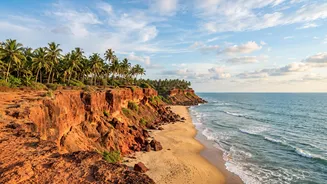
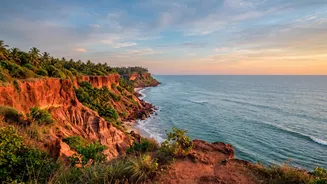
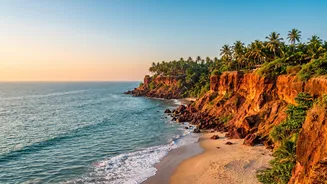
Perched on dramatic red cliffs overlooking the Arabian Sea, Varkala in Kerala offers a unique blend of natural beauty and modern convenience. It has quietly become a hub for digital nomads who value both work and wellness. The North Cliff area is lined with cafes that not only offer stunning ocean views but also reliable Wi-Fi, with speeds often ranging from 20 to 50 Mbps in hostels and guesthouses. Places like Zostel Varkala even provide dedicated co-working spaces with high-speed fiber internet and power backups, catering directly to the needs of remote professionals. The vibe is cosmopolitan yet relaxed, with a community of writers, developers, and designers sharing tables and tips. After work, the town is a wellness haven, famous for its serious yoga schools and Ayurvedic centres.
Gokarna: Serenity, Spirituality, and Simplicity
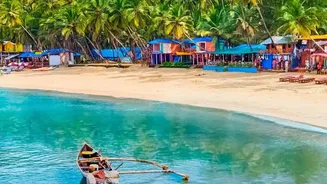
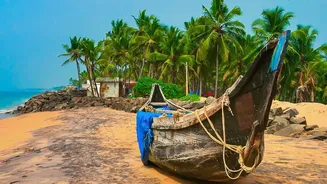
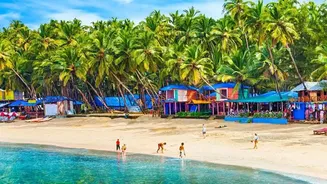
If Varkala is about a social, wellness-focused buzz, Gokarna in Karnataka is its quieter, more introspective cousin. Originally a Hindu pilgrimage town, it has retained a raw, spiritual charm that appeals to those seeking focus and solitude. The beaches here, like Kudle and Om, are less about polished cafes and more about rustic shacks where you can work with your feet in the sand. While the infrastructure was once a concern, it has improved significantly. Hostels like Zostel and Trippr offer dedicated work areas with reliable fibre internet, boasting speeds of 40 to 80 Mbps and power backup systems. The digital nomad community is smaller and more close-knit, fostering a sense of peaceful productivity away from the crowds of Goa.
Breaking Down the Budgets
This is where both towns truly shine. In Varkala, a monthly stay in a hostel dorm can range from ₹14,000 to ₹24,000, with private rooms costing between ₹32,000 and ₹55,000. Food and other daily expenses can add another ₹10,000 to ₹18,000. Gokarna is often considered even more budget-friendly. A dorm bed in a co-working friendly hostel can be had for ₹12,000 to ₹18,000 per month, while private rooms are available from ₹24,000. Food costs are also slightly lower, with monthly estimates between ₹9,000 and ₹15,000. For professionals used to metro city rents, these numbers represent a massive reduction in living costs, making long-term stays not just possible, but financially savvy.
The Verdict: Social Hub or Solitude?
Choosing between Varkala and Gokarna ultimately comes down to personal preference and work style. Varkala is ideal for those who want a comfortable, well-connected base with a vibrant social and wellness scene. Its easy accessibility and established amenities make it a great choice for first-time workationers or those who enjoy a more cosmopolitan atmosphere. Gokarna, on the other hand, is for the independent traveller seeking quiet focus and a deeper connection with nature. It’s perfect for those who want to escape the crowds, enjoy a slower pace of life, and don't mind a more rustic setting. It’s the place for deep work, long treks between beaches, and unplugging—while still staying connected enough to meet a deadline.