






The Search for an Authentic Experience
Adventure tourism is one of the fastest-growing sectors in travel for a reason. It taps into a deep human desire to connect with the world in a way that feels genuine. We want to see untouched landscapes, witness ancient traditions, and encounter wildlife
in its natural habitat. This impulse is fundamentally good; it's born of curiosity and a desire to understand the world beyond our daily lives. The goal is to return with more than just a tan—it’s to return with stories, perspective, and a feeling of having truly lived. However, this pursuit of authenticity can lead travelers down a fraught path, where the desire for a memorable encounter overrides the well-being of the place or community being visited.
Observation vs. Participation: A Critical Distinction
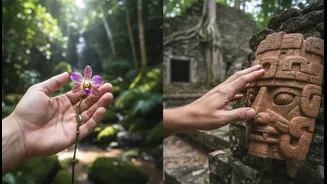
Understanding the difference between observation and participation is the cornerstone of responsible tourism. Observation is the act of witnessing something without altering it. It means watching animals from a respectful distance, allowing their natural behaviours to unfold without interference. It means quietly observing a local ceremony from the periphery, understanding that you are a guest, not the main event. Observation is about appreciating a place on its own terms. Participation, on the other hand, implies active involvement. True, ethical participation is always based on an invitation and mutual consent. It’s taking a cooking class from a local chef, volunteering for a community-led conservation project, or joining in a dance only after being genuinely welcomed. The problem arises when tourists initiate participation without an invitation, turning a moment of observation into an act of intrusion.
When Good Intentions Go Wrong
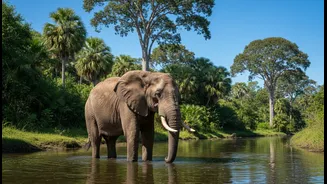
The line between these two concepts often blurs in popular tourist activities. Consider visiting a remote village. Are you there to quietly observe daily life, or are you disrupting it by taking photos without permission and treating residents like exhibits? Similarly, activities marketed as “swimming with dolphins” or “elephant rides” are prime examples of participation masquerading as observation. These are not natural encounters; they are interactions that often cause stress and harm to the animals, interrupting their feeding, resting, and social patterns for the sake of a tourist experience. Even seemingly harmless actions, like building small rock dams in a river to create a photo opportunity, can disrupt fragile ecosystems. These are moments where the tourist’s desire to 'do' something supersedes the need to simply 'be' somewhere responsibly.
The Performance of Travel for Social Media
Social media has amplified the pressure to participate. The quest for the perfect, envy-inducing photo often encourages performative interactions that are ethically questionable. Posing with children in a foreign village, forcing a selfie with a wild animal, or staging a 'heroic' moment during a cultural event centers the traveler in a narrative that is not theirs to control. This is participation for the sake of ego, not genuine connection. It reduces complex cultures and ecosystems into backdrops for a personal brand. Ethical travel requires us to question our motives. Are we trying to understand a place, or are we just trying to prove we were there in the most dramatic way possible? An authentic experience doesn't require proof.
A Guide to More Meaningful Travel
So, how can you be a better adventure tourist? It starts with mindset. Acknowledge that you are a visitor and that the most respectful role you can play is often that of a quiet observer. Choose tour operators who prioritize ethical practices, employ local guides, and enforce strict rules about wildlife distances and community interactions. Always ask for permission before taking someone’s photograph. Accept that you may not always get the perfect shot or the up-close encounter. Sometimes, the most profound travel experiences come from watching life unfold from a distance, recognizing that its value doesn't depend on your proximity or involvement. True participation is rare and must be earned through trust and invitation. It's a privilege, not a right.