

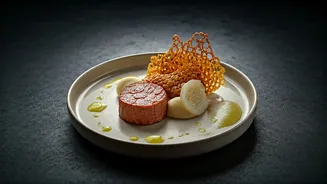


More Than Just a List
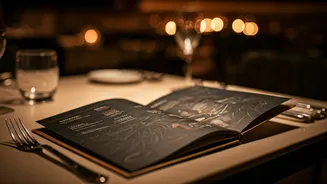
A menu used to be a purely functional document: appetisers here, main courses there, and prices neatly aligned. But a growing number of restaurants are transforming this simple list into a compelling narrative. Instead of “Grilled Chicken,” you might
find “Grilled Chicken from Verma Ji’s Farm, marinated in Grandma’s secret spice blend.” This is a menu narrative. It’s the art of using descriptions to tell a story about a dish's origin, the inspiration behind it, or the philosophy of the restaurant itself. The goal is to create an emotional connection and build anticipation before the food even arrives. It’s a shift from simply listing ingredients to painting a picture for the diner.
Why Plate and Plot Go Together
In a world saturated with dining options, a good story is a powerful differentiator. This trend is a response to diners who are increasingly curious about where their food comes from. The farm-to-table movement paved the way, making consumers more interested in transparency, sustainability, and authenticity. A well-told story can communicate these values effectively. It helps a restaurant reinforce its brand identity, whether it’s a commitment to local sourcing, a celebration of cultural heritage, or a showcase of the chef’s innovative techniques. By sharing these details, restaurants foster a sense of trust and connection with their guests.
The Psychology of a Good Story
There’s a science to why this works so well. Studies have shown that descriptive menu labels can significantly increase sales and improve how customers rate the food's quality and value. When a menu describes a dish with sensory words (“crispy,” “slow-braised”), it can trigger the parts of our brain associated with taste and texture. Nostalgic language (“homestyle,” “traditional recipe”) evokes warm, positive feelings, which can make diners more satisfied with their choice. These narratives do more than just describe; they create an expectation of quality and a unique experience, which can make the price seem more justified and the meal more memorable.
Crafting the Edible Tale
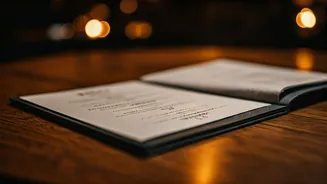
So, what are the key ingredients of a successful menu narrative? It often starts with provenance—naming the specific farm, region, or purveyor of an ingredient. Another common technique is to share the story behind the recipe, perhaps crediting a family member or cultural tradition. Highlighting a specific preparation method (“wood-fired,” “hand-rolled”) can also add to the allure. Some restaurants even weave a larger story throughout the entire menu, using it to tell the tale of the chef’s journey, the history of the building, or a specific culinary theme. Even the design—from typography to illustrations—plays a part in telling this story visually.
Keeping the Story Real
While menu storytelling is a powerful tool, authenticity is crucial. Diners are savvy and can quickly spot a narrative that feels forced or disingenuous. Exaggerated claims like “the best in the world” are often ignored. The most effective stories are grounded in truth, whether it's the real origin of the ingredients or a genuine family recipe. The key is to find a balance between creativity and clarity. The narrative should enhance the dining experience, not confuse the customer with overly complicated or pretentious prose. When done right, the story feels like an authentic extension of the food on the plate.