

From 'Less Bad' to 'Actively Good'
Not long ago, a “healthy” snack simply meant the lesser of two evils. Think digestive biscuits over cream-filled ones, or a baked crisp instead of a fried chip. The focus was on what was removed: less fat, fewer calories, and less sugar. But for Millennial
and Gen Z consumers, that’s no longer enough. The new snacking philosophy isn’t about what a snack lacks, but what it offers. There's a clear shift from passive avoidance to active nutritional gain. This conscious consumerism is fuelling a demand for snacks that do more than just curb hunger; they must contribute positively to well-being.
The Protein Priority
Walk down any modern grocery aisle and the word “protein” is everywhere. This macronutrient has become a top priority for young Indians. An Indian diet can often be heavy on carbohydrates, and growing awareness around fitness, muscle health, and satiety has pushed protein to the forefront. This has led to a boom in products like protein bars, protein yogurts, and even protein-fortified chips and cookies. But it’s not just about new products; traditional snacks like roasted chana (chickpeas), paneer, and makhana (fox nuts) are being rediscovered and marketed for their natural protein content. Quick commerce platforms report that eggs and paneer remain top-sellers, but are now frequently paired with items like Greek yogurt and protein shakes in the same basket.
The Clean Label Revolution
Today’s young snackers are avid label-readers. They are increasingly wary of long lists of ingredients with unpronounceable chemical names, artificial preservatives, and hidden sugars. This demand for transparency has sparked a “clean label” movement, with consumers favouring snacks made from simple, natural, and recognizable ingredients. Start-up brands have been quick to meet this need, offering everything from millet-based cookies to roasted jowar puffs and vegetable chips, all promising a clean, honest ingredient list. This isn’t just a health trend; it’s a matter of trust. Consumers want to know exactly what they’re eating.
Snacks with a Job to Do
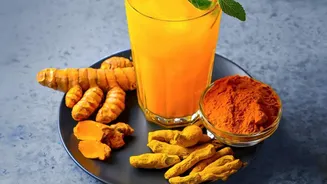
The evolution of healthy snacking now extends beyond physical health into holistic wellness. Enter “functional foods”—products designed to provide specific health benefits beyond basic nutrition. Prompted by a post-pandemic rise in health consciousness, consumers are looking for snacks that can improve gut health, boost immunity, or even enhance mood and focus. This has opened the door for products infused with probiotics for digestion, Ayurvedic herbs like ashwagandha for stress relief, or prebiotics. From kombucha to fortified juices, the beverage aisle is also blurring lines with the snack category, offering drinkable wellness solutions.
The Rise of Niche and D2C Brands
This consumer-led shift has created a massive opportunity for a new wave of direct-to-consumer (D2C) and niche brands. While large legacy companies are now adapting, many were slow to respond to the demand for clean, functional, and protein-rich options. Smaller, agile brands have filled this gap, using social media and quick commerce to reach their target audience directly. Brands built on foundations of organic ingredients, traditional superfoods like millets and ragi, or specific dietary needs (like plant-based options) have found a loyal following among young Indians who value authenticity and innovation.