








The 'Digital Envelope' with UPI Lite
One of the most powerful tools to curb small, impulsive buys is UPI Lite. Think of it as a digital version of the old envelope-and-cash system. UPI Lite is an on-device wallet that you can load with a small amount of money (up to ₹5,000, with a per-transaction
limit of ₹1,000). The trick is to treat this as your weekly allowance for discretionary spending like chai, snacks, or small treats. At the start of the week, load a fixed amount into your UPI Lite wallet. Once that money runs out, your spending on non-essentials stops until you reload it the following week. This creates a hard cap and prevents the “death by a thousand cuts” from draining your main bank account on tiny, mindless purchases.
Create a 'Spending Account'
A highly effective strategy is to create a clear boundary between your savings and your spending money. Open a secondary, basic bank account and link it exclusively to your daily UPI apps like Google Pay or PhonePe. Keep your primary salary account unlinked from these everyday payment apps. At the beginning of each month, transfer only your allocated budget for expenses into this secondary 'spending account'. All your impulse buys, online shopping, and dining expenses will draw from this limited pool. When the balance gets low, you have a clear, unmissable signal that you need to cut back, while your main savings remain untouched and out of easy reach.
Manually Set Lower Transaction Limits
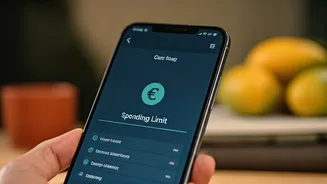
While UPI apps have a default daily transaction limit of around ₹1 lakh, most banking apps allow you to set your own, much lower daily limit. This is a fantastic way to enforce discipline. Log into your core banking app (not the UPI app) and find the section for managing UPI transaction limits. You can set a custom daily cap—for instance, ₹2,000. If you try to spend beyond this amount in a 24-hour period, the transaction will simply be declined, acting as a crucial brake on high-value impulse purchases. This creates forced friction, giving you a moment to reconsider whether that expensive item is a genuine need or a fleeting want.
Silence the 'Reward' Notifications
The instant 'payment successful' message and the occasional cashback scratch card are not just confirmations; they are psychological rewards. Behavioral economists note that these features can create a small dopamine hit, subtly encouraging you to spend more, similar to how a slot machine works. To break this cycle, dive into your phone's settings. Go to 'Notifications', find your UPI app, and turn off promotional or general notifications. Many Android phones allow you to manage notification categories, so you can disable marketing pop-ups while still receiving critical transaction alerts. By removing the constant validation, you reduce the psychological 'reward' of spending. Some banks like HDFC have even started stopping SMS alerts for very small UPI transactions for this reason.
Schedule a Weekly 'UPI Audit'
The seamless nature of UPI can make spending feel invisible. To bring it back into focus, schedule a 15-minute 'UPI Audit' every Sunday. Open your UPI app and scroll through the week's transaction history. Most apps categorize your spending, helping you see exactly where your money went. Don't just glance at the numbers; actively question each discretionary purchase. Ask yourself: 'Did I really need this?' or 'Was this purchase planned?' This simple habit of mindful review builds awareness, making you a more conscious spender in the week ahead. It transforms your transaction history from a long, forgotten list into a powerful tool for self-reflection and better financial planning.