




Why August is a Pivotal Month
August sits in a unique spot on the Indian gardening calendar. The initial frenzy of monsoon sowing has passed, yet the winter season is still a couple of months away. This makes it a crucial transitional period. Sowing in August allows you to grow a variety
of warm-season vegetables that thrive in humidity, and also get a head start on flowering plants for the upcoming festival season. The key is managing the specific conditions of the late monsoon—namely, intense rainfall and reduced sunlight. Success this month relies less on a strict schedule and more on adapting to the weather, making it the perfect time for a quick check-up of your garden's setup, especially for container and balcony gardeners.
Mastering Monsoon Drainage
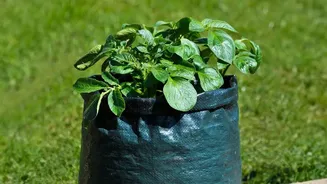
Waterlogging is the single biggest threat to plants during the monsoon. When soil becomes saturated, roots can't get the oxygen they need, leading to root rot and other fungal diseases. Before you sow a single seed, ensuring proper drainage is essential. For container gardens, check that every pot has clear, unobstructed drainage holes. Elevating pots on stands or bricks can prevent them from sitting in pooled water after a heavy shower. The soil mixture itself is your first line of defence. Avoid using heavy garden soil alone, which compacts easily. Instead, create a porous potting mix by combining garden soil with equal parts compost and a material like cocopeat or sand to improve aeration and allow excess water to drain freely. This simple step is often the difference between thriving plants and failed seedlings.
Optimising Limited Sunlight
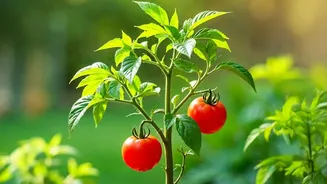
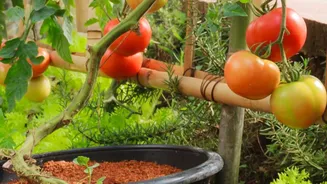
Cloudy skies are a given during the Indian monsoon, meaning plants receive fewer hours of direct sunlight. While many monsoon-friendly plants are adapted to these conditions, you can take steps to maximise the light they do get. Pay attention to your space and identify the spots that receive the most consistent light, even if it's indirect, and place your sun-loving plants there. Fruiting vegetables like tomatoes, chillies, and brinjal will need at least five to six hours of sun to produce well. For balconies that get limited light, consider planting leafy greens like spinach and amaranth, or herbs like mint, which are more tolerant of partial shade. If you have tall plants, stake them properly to prevent them from falling over and to ensure lower leaves aren't completely shaded out. Supporting your plants also improves air circulation, which is crucial for preventing fungal growth in humid weather.
Your August Sowing Checklist
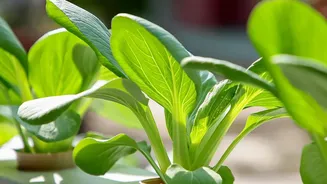
With drainage and sunlight sorted, it's time to sow. August is ideal for a mix of quick-growing greens and robust vegetables. Okra (Bhindi) is a reliable monsoon crop that loves the heat and humidity. Beans, including French beans and cluster beans (gwar), also germinate quickly and are great for beginners. Many gourds, such as bottle gourd (lauki) and bitter gourd (karela), grow vigorously now, though they require strong trellis support. For something faster, consider leafy greens like amaranth (chaulai) and spinach (palak), which can be ready for their first harvest in just over a month. Root vegetables like radish are also a good choice, as the moist soil helps them develop. You can also sow flower seeds like marigolds to ensure you have bright blooms for the festive season ahead.
Soil Health and Plant Protection
Constant rain doesn't just pose a waterlogging risk; it can also wash away essential nutrients from the soil. After a period of heavy rainfall, it's a good idea to replenish the soil with a handful of compost or a balanced organic fertiliser. However, be careful not to over-fertilise, particularly with nitrogen-rich products, as this can encourage lots of leafy growth but fewer flowers or fruits. High humidity also creates the perfect breeding ground for pests and fungal diseases. Be proactive by ensuring good air circulation between your plants and consider a preventive spray of diluted neem oil every 10-14 days. Always water at the base of the plant to keep the leaves dry, further reducing the risk of fungal infections like powdery mildew.